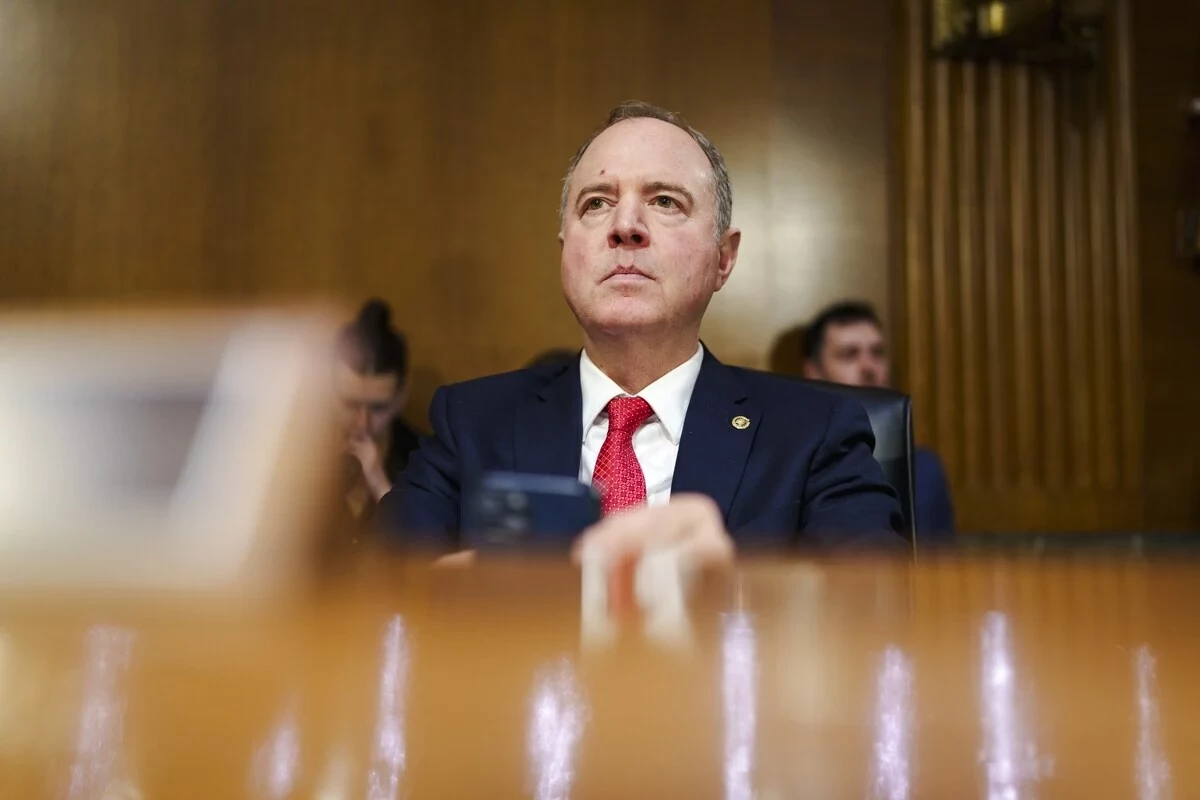
A group of lawmakers, led by California Representative Kevin Mullin and New Mexico Representative Gabe Vasquez, are asking the Federal Trade Commission (FTC) to investigate prediction markets over potential misleading marketing practices. According to an official statement, prediction platforms use “event contracts” terminology when seeking regulatory approval, but market themselves as “sports gambling apps” to attract consumers.
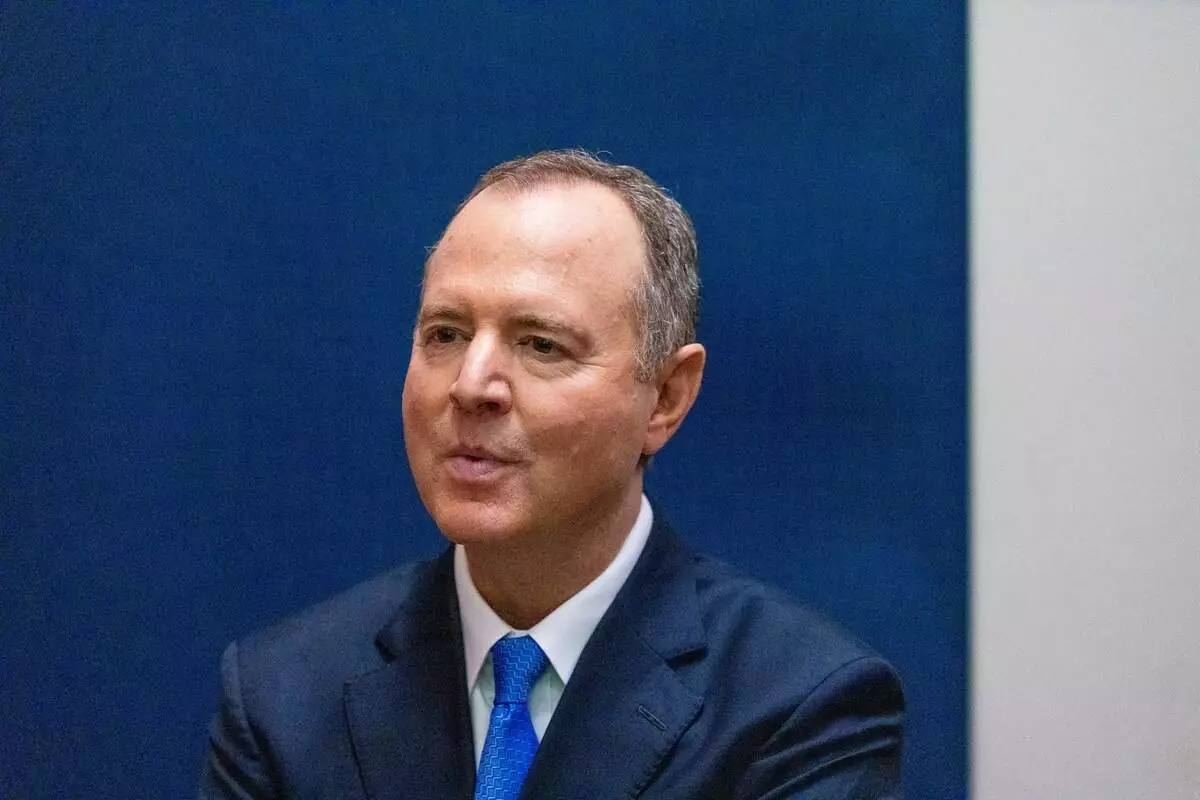
“In a world where sports gambling has become increasingly widespread, consumers deserve clear and honest information about the platforms they are using,” stated Rep. Mullin on Wednesday.
“These prediction market companies are presenting themselves differently to regulators than they are to the public, and that kind of contradictory messaging can mislead consumers about what rules and protections actually apply. We are urging the FTC to investigate these practices and ensure consumers are protected from this potentially deceptive activity.”
Rep. Vasquez added that “prediction market companies and their unregulated gambling are building a new class of billionaires and ripping off our Tribes. These companies claim they’re not gambling platforms, but that’s not how they advertise themselves, and their false claims shouldn’t hold up in court. Regulators must close this loophole.”
The claim that exchanges like Kalshi and Polymarket advertise themselves as “sports betting” leans heavily on a recent lawsuit filed by New Mexico against Kalshi. The legal action by NM, submitted to state court on June 4th, references multiple archived social media communications from the country’s first-ever regulated prediction exchange.
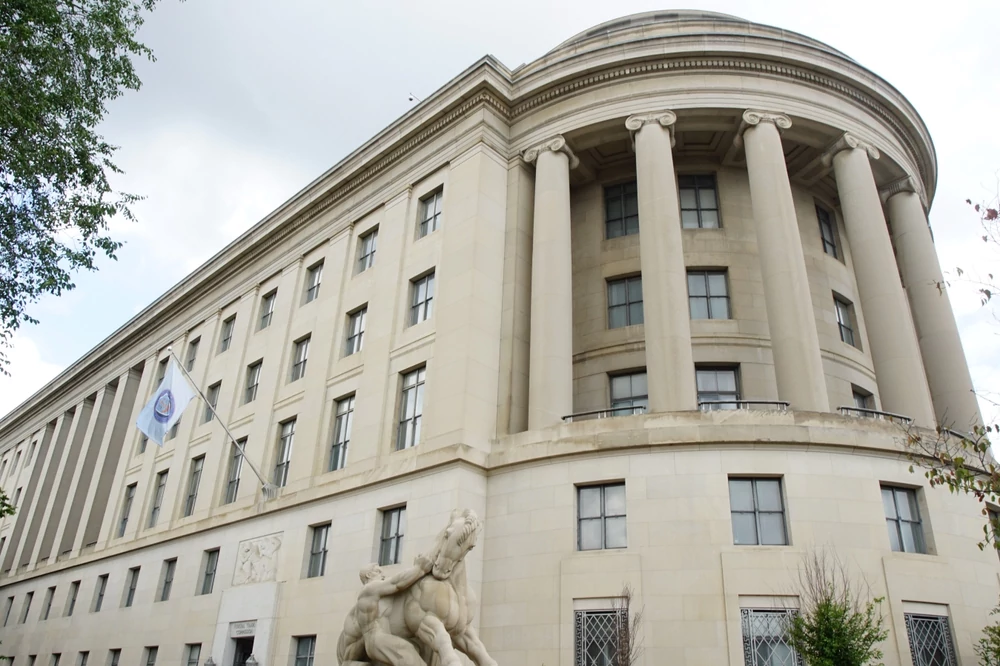
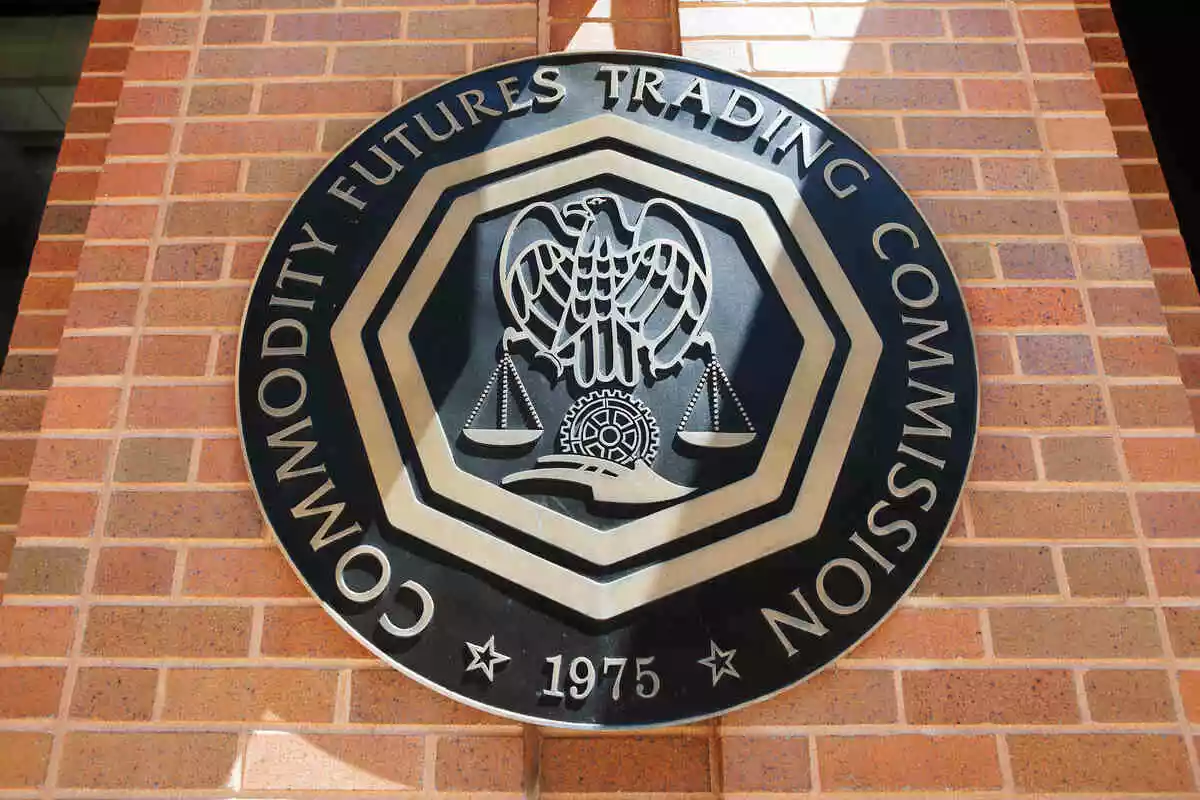
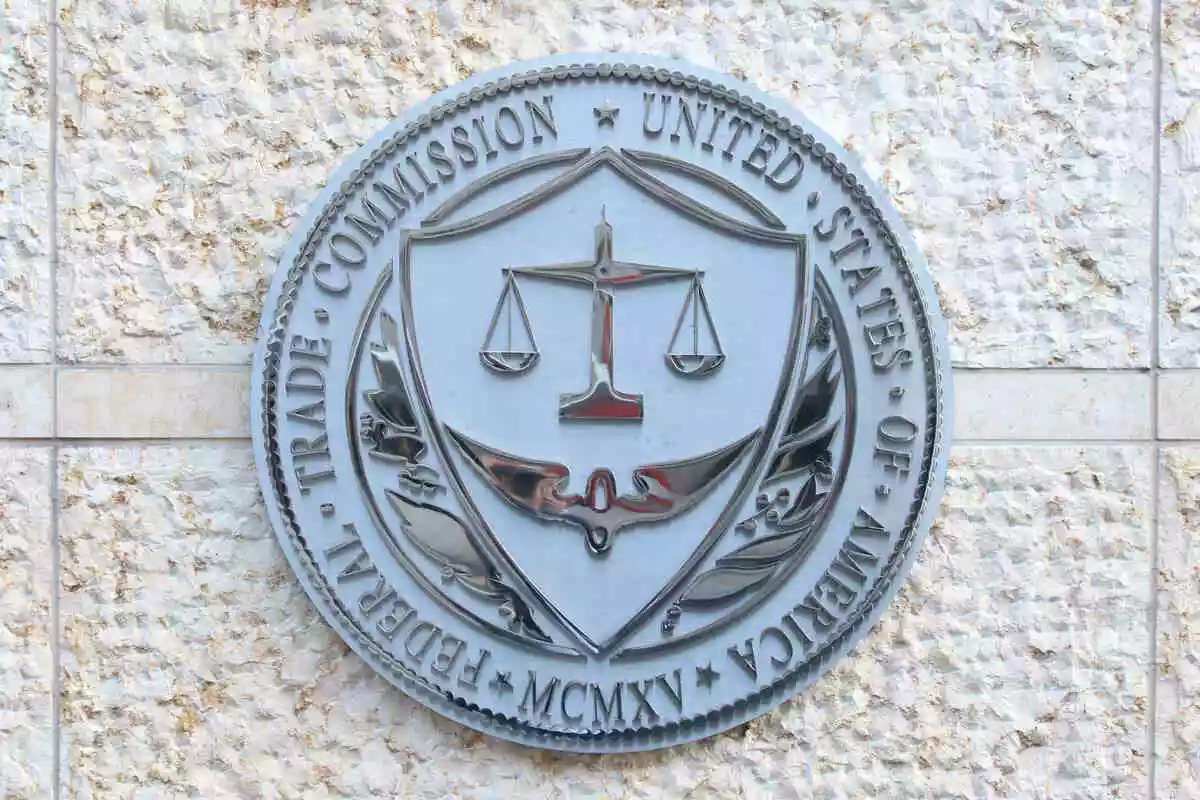
While the FTC is not involved in regulating prediction markets or state-licensed sportsbooks, it does have a say in advertising practices. The commission’s Guides Concerning the Use of Endorsements and Testimonials in Advertising establishes guardrails for digital marketing practices, including sample cases in which the commission interprets whether an advertisement is compliant.
A looming FTC investigation would add another wrinkle into an already heavily congested legal environment, in which state gaming authorities are battling against the CFTC and prediction markets in courts across the nation. In and of itself, the FTC does not have the ability to criminally charge companies or individuals. However, the commission enjoys a working relationship with prosecutors in cases that involve corporate wrongdoing.
The push for an FTC investigation into prediction exchanges by numerous lawmakers isn’t the only referral action that’s been requested in the past week. The Better Business Bureau (BBB) released a statement Monday that it will refer Kalshi to regulatory authorities and state Attorneys General “for review and possible enforcement action for failure to participate in the National Advertising Division (NAD) inquiry.”
According to the BBB, Kalshi declined to participate in a regulatory review of “whether material connections between Kalshi and influencers or affiliates were clearly and conspicuously disclosed in social media advertising, and whether Kalshi takes adequate steps to ensure compliance with the [FTC].”
The Better Business Bureau claims that its reporting relationships make it necessary to submit Kalshi’s refusal to regulators and criminal prosecutors.
Loading …