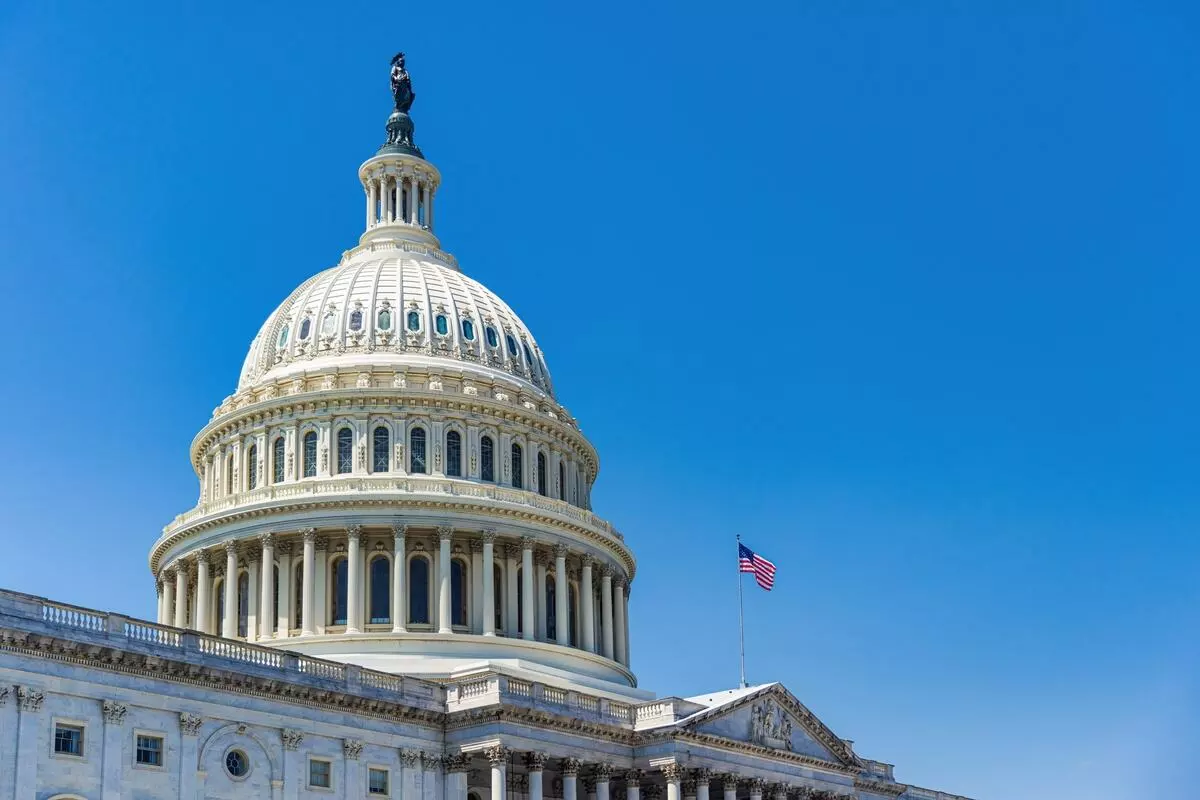
A legislative proposal introduced Thursday by Wisconsin Republican Rep. Bryan Steil would bar all members of both chambers from participating in prediction market contracts. The technical aim of the proposed law is “to amend chapter 131 of title 5, United States Code, to restrict Members of Congress and their spouses and dependents from profiting off prediction markets, and for other purposes.”
Dubbed the Stop Lawmakers From Predicting Act, the bill could potentially be amended to include congressional staff members on Capitol Hill. Prediction market insider trading has become a high profile topic in Washington over the past few months, due to numerous scandals involving individuals with privileged military or corporate intel who allegedly turned hundreds of thousands of dollars in profit by trading on Polymarket.
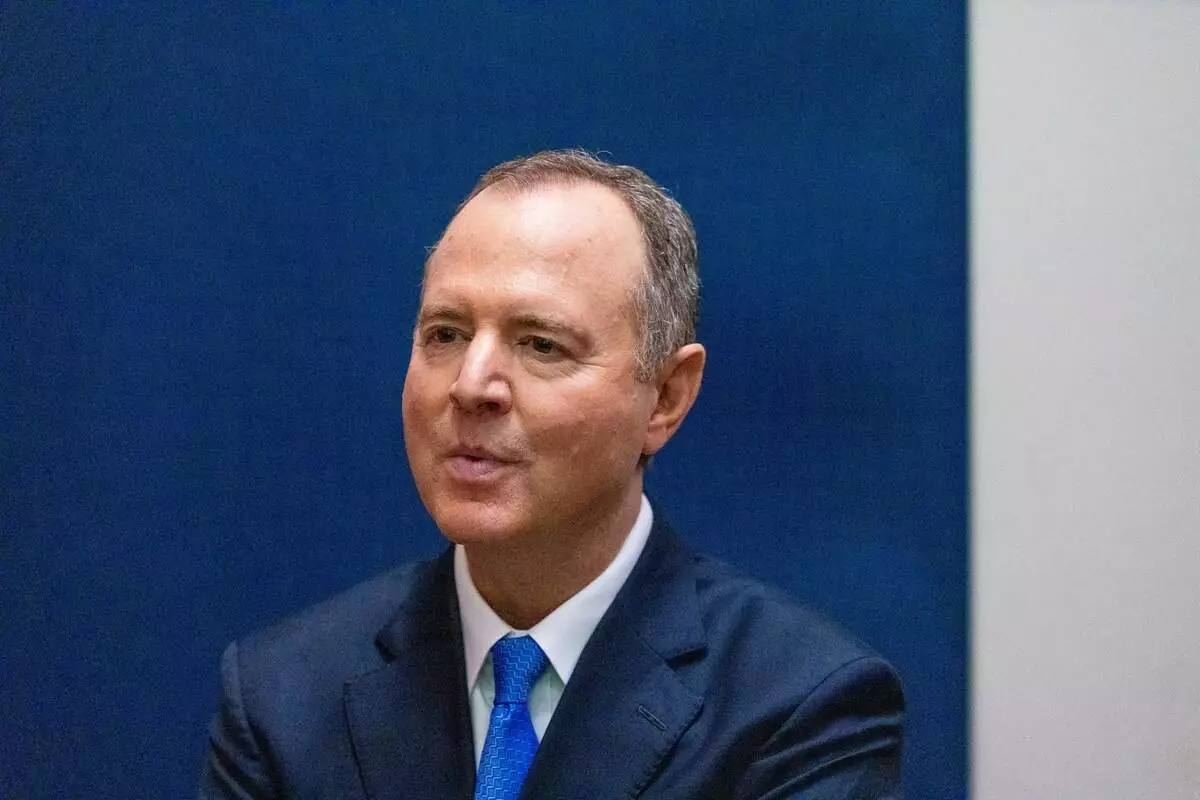
“The American people deserve to know their Member of Congress is not profiting off insider information,” said Representative Steil in a statement published by Bloomberg Government on Thursday. “Lawmakers should be writing policy, not wagering on its outcome.”
A preliminary copy of Rep. Steil’s legislative proposal establishes definitions for a “covered individual” – understood to be a person who is explicitly barred from trading on prediction market apps such as Kalshi and Polymarket. Members of Congress, their spouses, and direct dependents are included in the formal definition.
While the current language in Rep. Steil’s proposal doesn’t necessarily ban “covered individuals” from participating in all prediction-based trades, it includes a list of markets that are prohibited. This list includes “yes/no” trades related to:
Anyone covered by the bill (assuming it’s eventually passed into law) who is caught engaging in prohibited prediction market trades would be subject to a fine of $2,000 or 10% of the total value of transactions (whichever is greater) plus the forfeiture of any profit from the trade(s). Rep. Steil’s version would also block congressional members and candidates from using campaign funds to pay related penalties.
Senate members have already enacted their own version of self-imposed prediction market restrictions, which occurred following a voice vote earlier this year. Although it is unknown whether staff members will be included within the current proposal, Bloomberg Government reports that several Senators and Representatives have preemptively barred their staff from trading on prediction market apps.
The legislation introduced Thursday by the Wisconsin congressman is not expected to attract any major criticism. The main questions surrounding the proposal are whether it will be attached to a similar piece of legislation and whether congressional staff members will be included as “covered individuals.”
Loading …