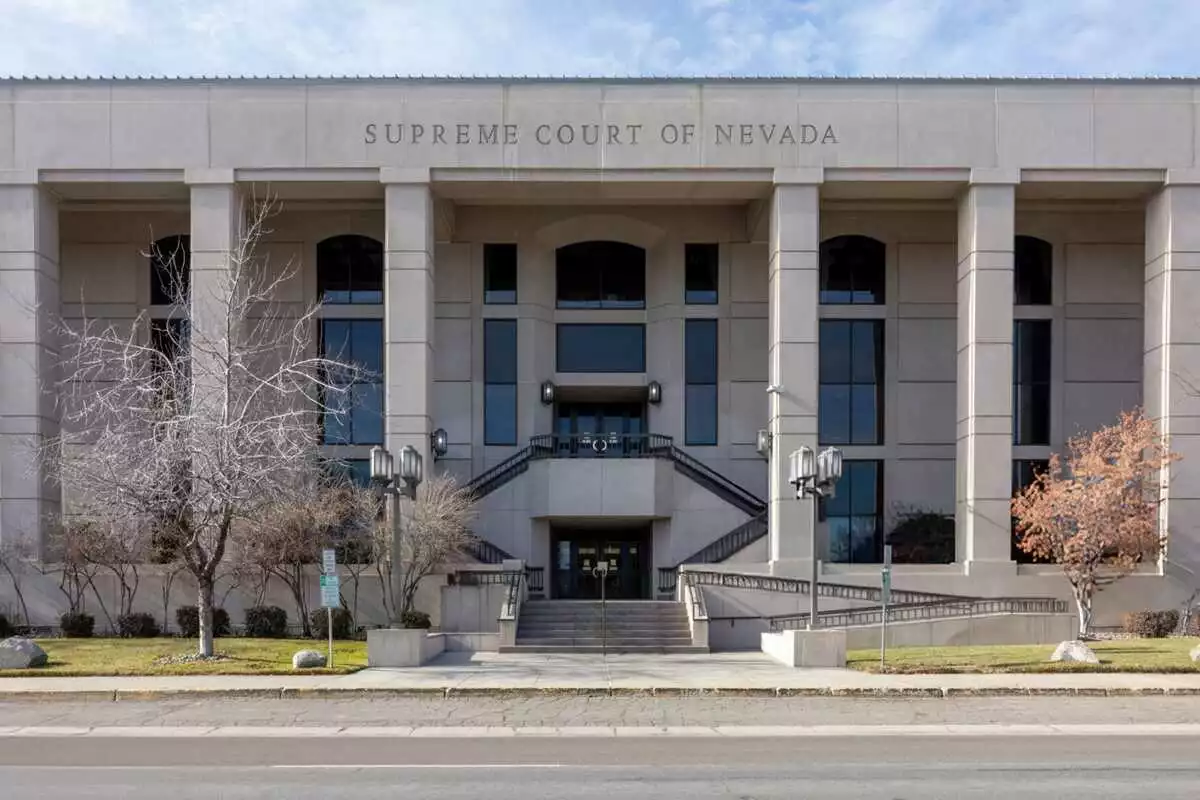
On Friday, Nevada gaming authorities filed a motion in state court, requesting the judges hold Kalshi in contempt for failing to geo-block the state’s residents from accessing its most event contracts.
According to the complaint, event contracts related to sports events, elections, and entertainment awards are still accessible to NV residents, despite a May 2026 court order that granted the NGCB a temporary restraining order against the exchange.
In an official press release published Friday, Nevada regulators stated, “as the Board explained in its filing, Kalshi has not complied with the Court’s May 18, 2026, order requiring Kalshi to geofence its operations so that it does not offer or facilitate the offering of any sports-, election-, or entertainment-related event contract to anyone located in Nevada.”
The statement adds that “the Board asks the Court to enter a finding of contempt and to impose significant monetary penalties for violation of the Court’s order.”
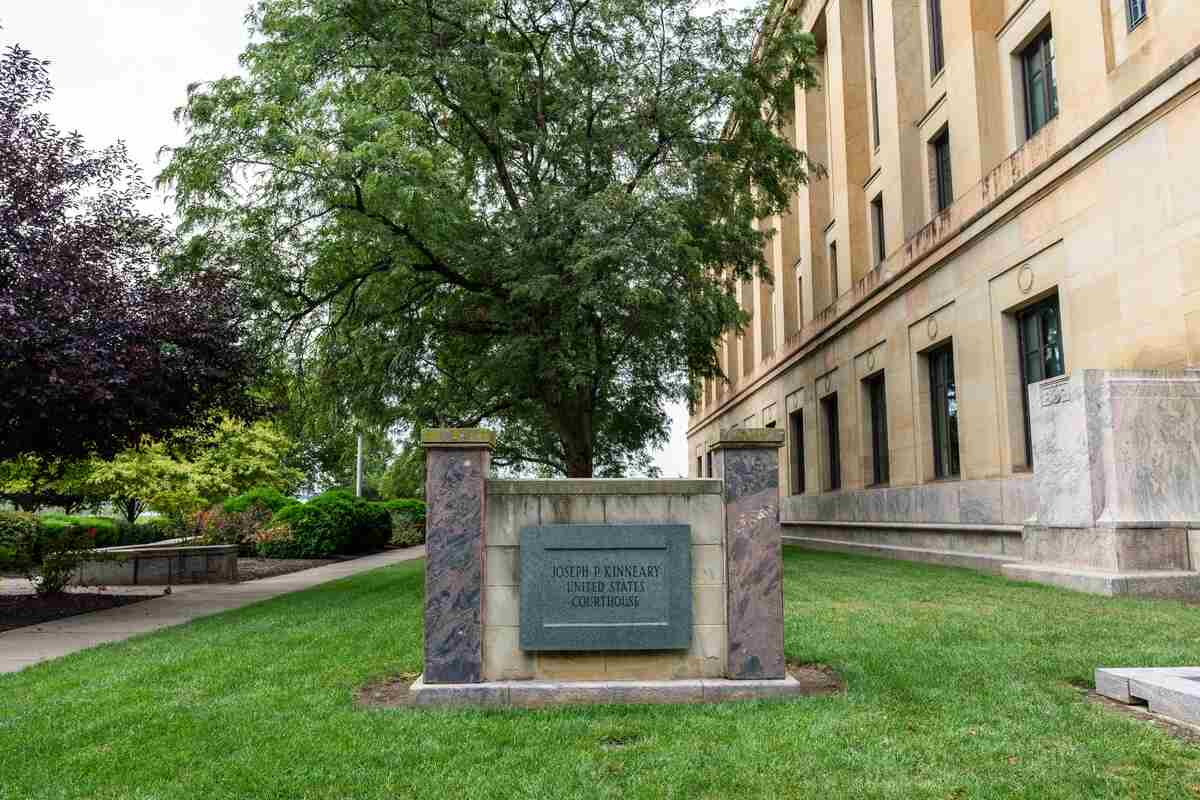
The legal action was filed Friday in the First Judicial District Court, which serves both Carson City and Storey County. “The Court has required Kalshi to stop offering covered event contracts in Nevada. We will continue to vigorously enforce Nevada law to safeguard gaming in our state,” said NGCB chairman Mike Dreitzer on Friday.
In practice, there are two main types of geolocation that a company can use to block its virtual services from users who are within a specified geographical region.
Although this method is criticized for its inaccuracy and “grace” areas of coverage, network based geolocation is perceived to be less intrusive by those affected. Individuals who access a platform’s servers are checked against a database of Internet Protocol (IP) addresses, and blocked accordingly.
Users do not need to install a separate app for this method to work. However, IP verification alone does not necessarily pinpoint a user’s physical location accurately. The network based geolocation method is susceptible to remote access, and is viewed by some experts as being analogous with a return address that’s written on a postmarked envelope and sent through traditional “snail” mail.
This location tracking method is much more accurate, but requires the user to grant access. Although a separate download may not be necessary in some cases, the geolocation firm that’s currently partnered with Nevada gaming regulators does, in fact, require a separate app download and installation.
Depending on the amount of accompanying hardware that can be placed in areas considered to be linked to gaming activity, device based geolocation can be highly accurate, pinpointing a device’s location to within a few feet. The geolocation apps approved by state gaming regulators across the country can also detect remote access, and instantly block a device’s access to a specific portal upon detection.
Understanding the two types of geolocation technology is relevant because Kalshi is allegedly attempting to implement an in-house geolocation product that is network based (relies on an IP address directory). According to Nevada gaming regulators, Kalshi’s existing geolocation efforts are part of the platform’s “stubborn refusal to comply” with the May 2026 injunction granted to Nevada by the courts.
Loading …