A report published early Wednesday morning by CNBC says that the New York City Council has launched a probe into the marketing practices of several prediction exchanges. The original CNBC story, written by prediction market reporter Davis Giangiulio, cites NYC City Council Speaker Julie Menin, who told the network that the investigation includes Kalshi, Polymarket, Gemini Titan, and Coinbase.
The report adds that the investigative actions by the City Council are not connected to the current lawsuits that New York Attorney General Letitia James has filed in state court, which attempt to implement the state’s gambling laws to enforce the geofencing of prominent prediction market apps that currently operate within the Empire State.
Giangiulio writes that New York City Council Speaker Julie Menin has issued a formal letter to the four prediction exchanges, outlining suspicions of “false, deceptive, unconscionable, and objectionable marketing practices” that the platforms have allegedly engaged in.
“Prediction markets aggressively entice consumers to bet and wager on sports, politics, culture, weather, and pretty much anything,” Speaker Menin told CNBC in a statement. “I intend to harness the full power of the Council to protect New Yorkers from deceptive and predatory marketing practices by prediction market platforms.”
Municipal regulation of what a given jurisdiction may perceive as “gaming” activities is rarely discussed among industry observers. However, the newly launched investigation by the New York City Council bypasses the argument of how prediction market event contracts should be categorized and regulated, and instead focuses on marketing that exchanges use to attract customers to their trading platforms.
Still, the taxation of prediction markets by a municipality or county could technically evolve from legal pressure in states that have yet to implement a law similar to the Texas Regulatory Consistency Act. Large US cities such as NYC, Los Angeles, and Chicago could theoretically pass budgets that include taxes on prediction exchange transactions and other revenues that are entirely separate from state-based taxation and enforcement.
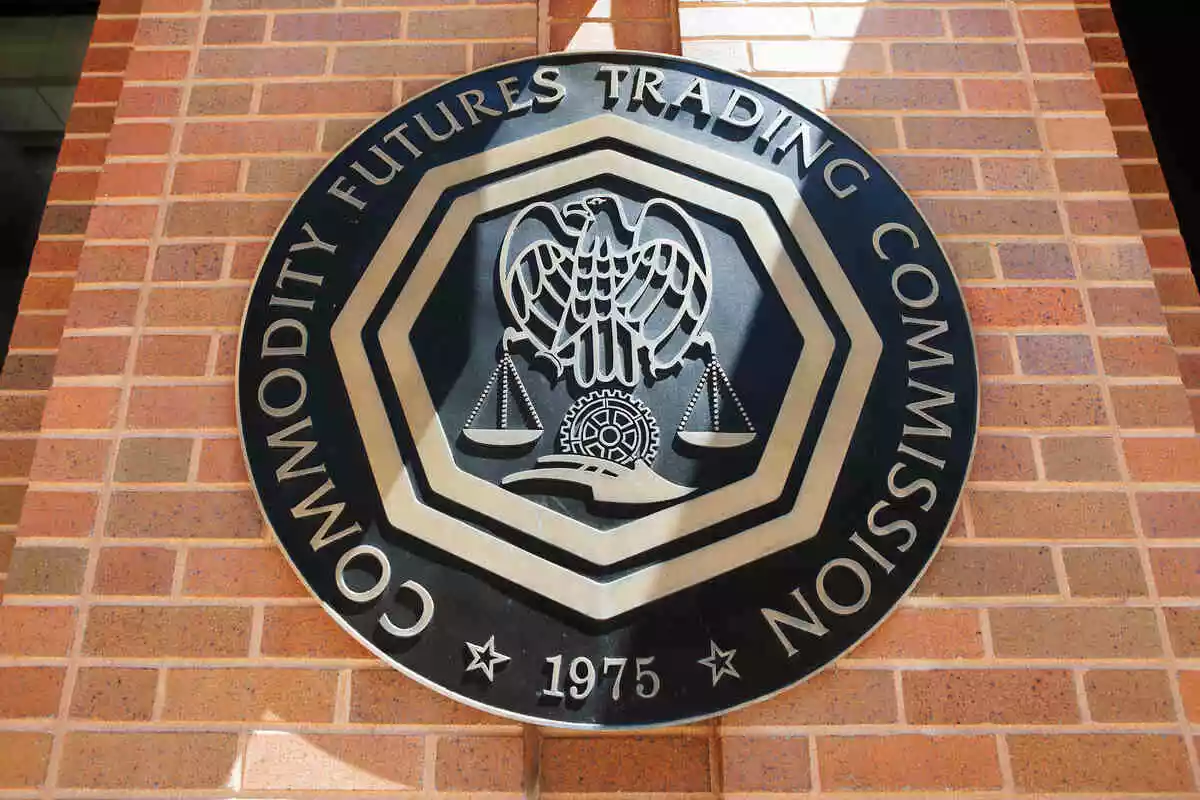
The Commodity Futures Trading Commission (CFTC) currently claims “exclusive jurisdiction” over prediction markets and deems all products traded on those federally regulated exchanges to be “derivatives” that are exempt from state gambling law enforcement actions. However, numerous states are legally challenging the CFTC’s position by attempting to geofence, at the very least, prediction market sports contracts.
The new probe that has been launched by the NYC City Council doesn’t pertain to the state’s legal actions against prediction markets. Nevertheless, it represents another potential hurdle that prediction markets may need to navigate (or seek additional CFTC legal backing) to overcome.
Loading …