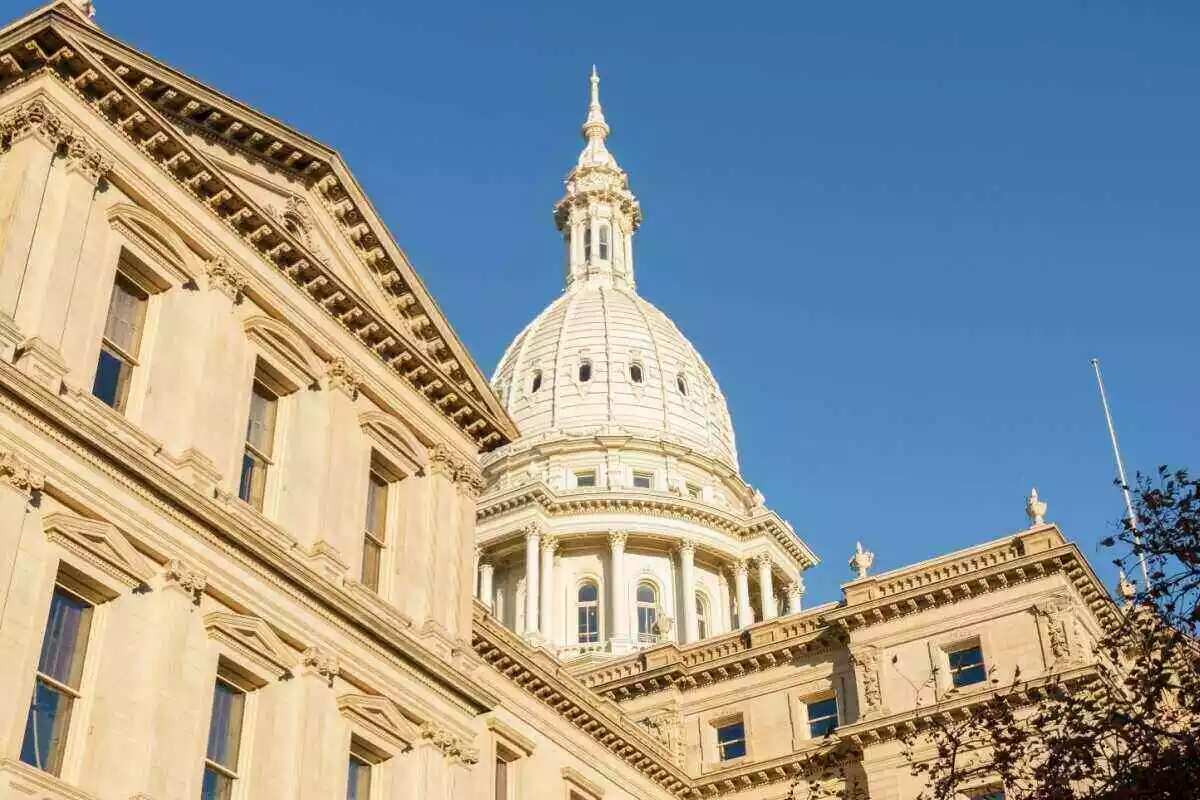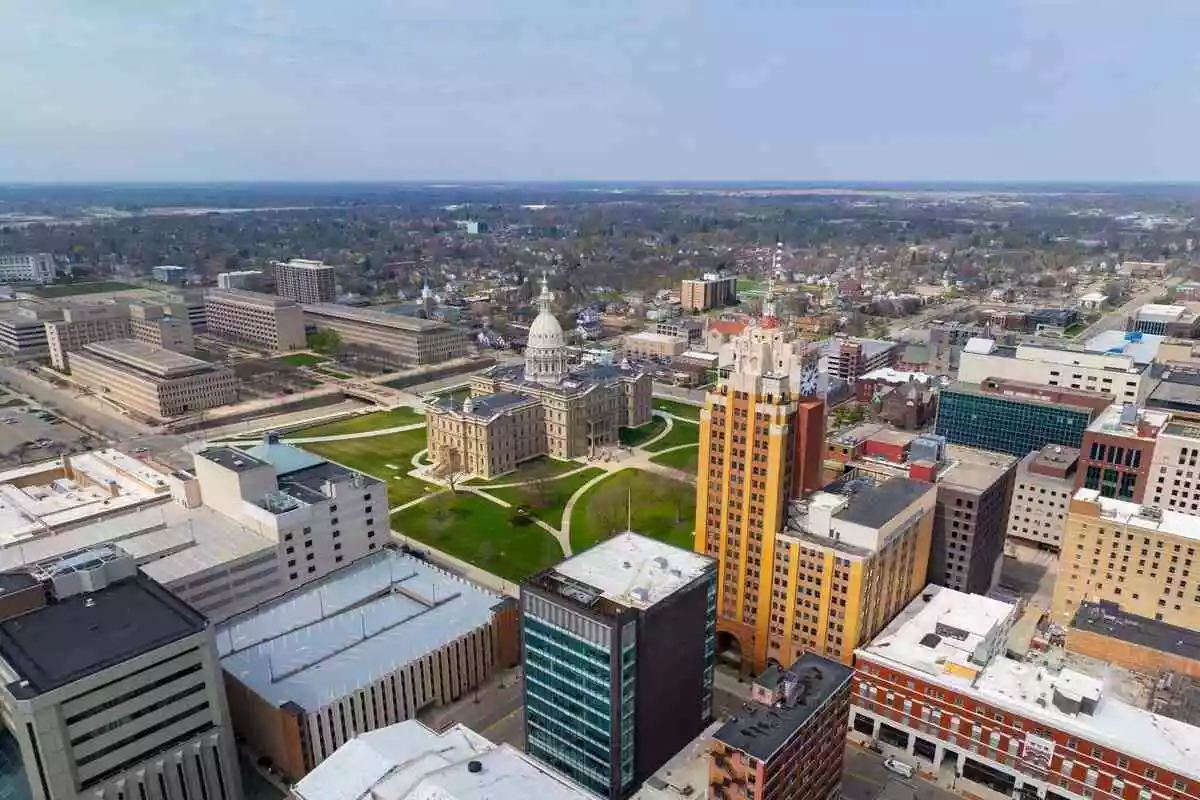
Robinhood has reached a settlement with Michigan state and gaming officials that will result in the prediction exchange voluntarily blocking sports contracts in the state as of this evening. The agreement, finalized by US District Judge Paul L. Maloney on Friday and shared by gaming attorney Daniel Wallach on X, shields the platform from state enforcement until a Sixth Circuit Court of Appeals ruling has been issued.
As part of the settlement, Robinhood will close out any pending positions (presumably those made on or before today that relate to future sports events) by October 9th. The service blockage in Michigan pertains to all Robinhood sports contracts “traded on any DCM, including the DCMs operated by KalshiEx LLC and Rothera Exchange and Clearing LLC.”
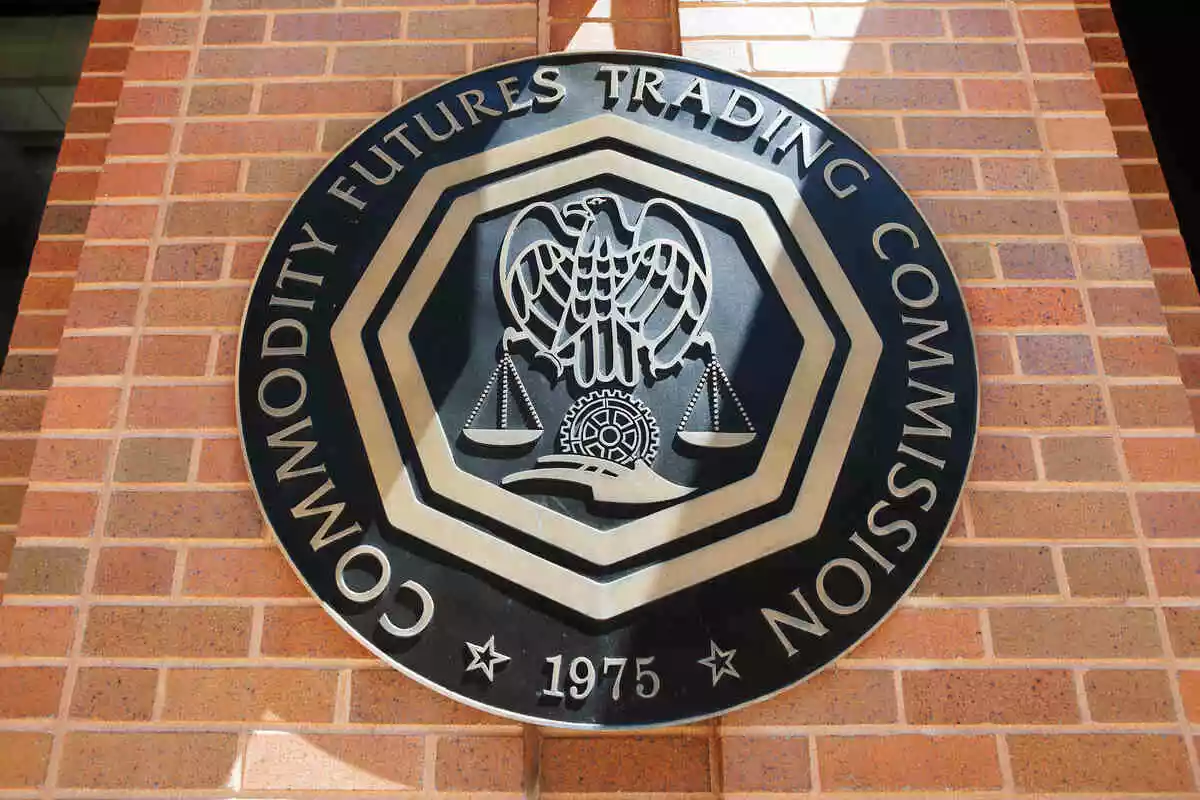
As of late this evening, two CFTC-regulated prediction market platforms, Kalshi and Robinhood, will not offer sports contracts in the state of Michigan. This reality is expected to act as a boon to the state-licensed online sportsbook industry as operators prepare to host tens of millions of dollars in weekly NFL and college football wagers.
Currently, online sports betting in Michigan is regulated through a combination of state, city, and tribal agreements in which internet betting is tied to partnerships with land-based casinos located within the Great Lakes State’s borders.
While the state’s deal with Robinhood is undoubtedly a “victory” for the attorney general and the Michigan Gaming Control Board (MGCB), the ongoing Kalshi blockade of sports contracts in the state is seen as more consequential.
Due to its marketing as a “one-stop shop” for online traders, Robinhood is less concerned with maintaining slim bid-ask trading margins for popular NFL “combo” products, opting instead to offer uncorrelated, multi-leg NFL independent event pairings. In practice, Robinhood’s prices for sports contracts are more in line with the house-based edges that online sportsbooks enjoy.
This isn’t the case for Kalshi, however. The most popular CFTC-regulated prediction exchange has paused market maker fees for uncorrelated NFL combo trades, leading industry observers to believe that its sports products would have prompted a meaningful migration from Michigan-licensed sportsbooks had they been allowed to remain available within the state.
Robinhood’s focus on convenience for casual traders and Michigan sportsbooks’ desire to attract casual sports bettors are in stark contrast with Kalshi’s approach, which is much more favorable to pro, advantage, or “sharp” sports fans seeking to exploit an edge for profit.
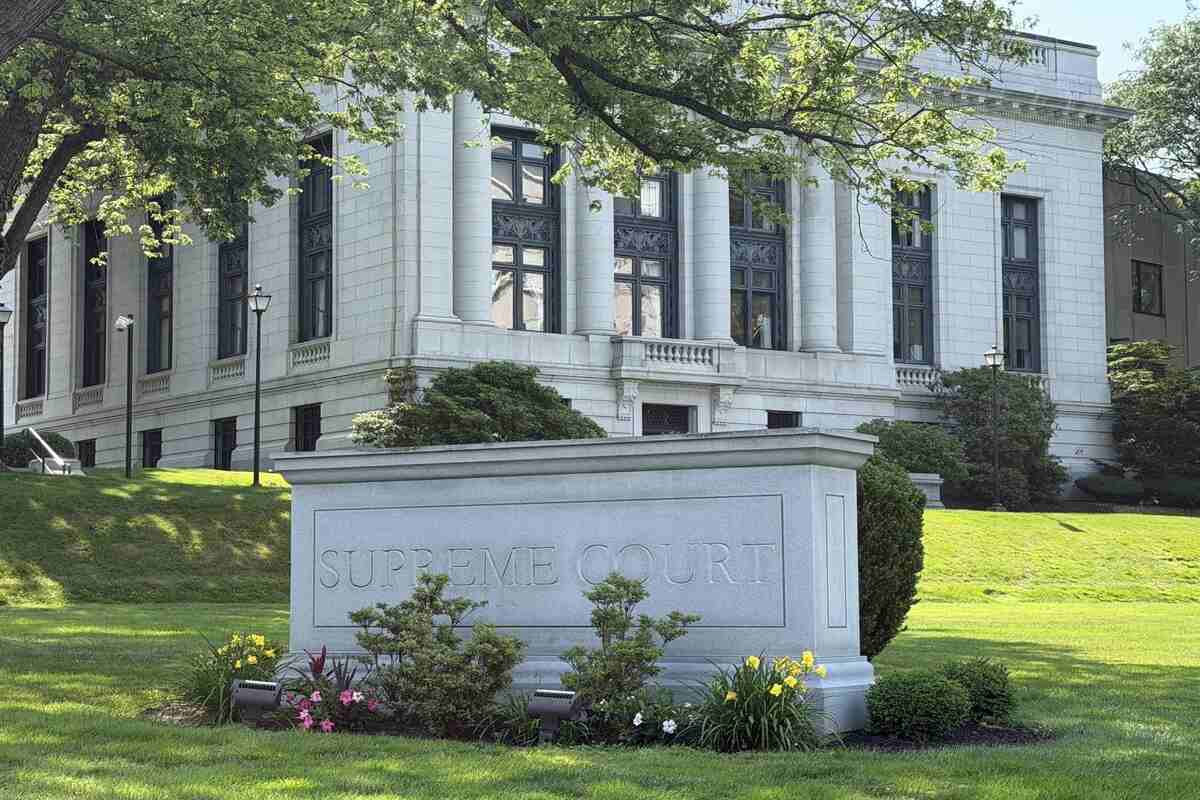
Kalshi and Robinhood sports contracts will remain geofenced in Michigan until (and if) a Sixth Circuit Court of Appeals ruling that favors prediction market sports contracts is handed down. If the pending Sixth Circuit ruling aligns with the Ninth Circuit, then the contracts will be geofenced until (and if) the US Supreme Court decides to take preliminary action or hear one or more related cases.
At present, Kalshi’s sports contracts are blocked in Massachusetts, Nevada, Washington, and Michigan. Robinhood’s sports contracts will now be unavailable in Michigan, Nevada, New Jersey, and Maryland.
Loading …