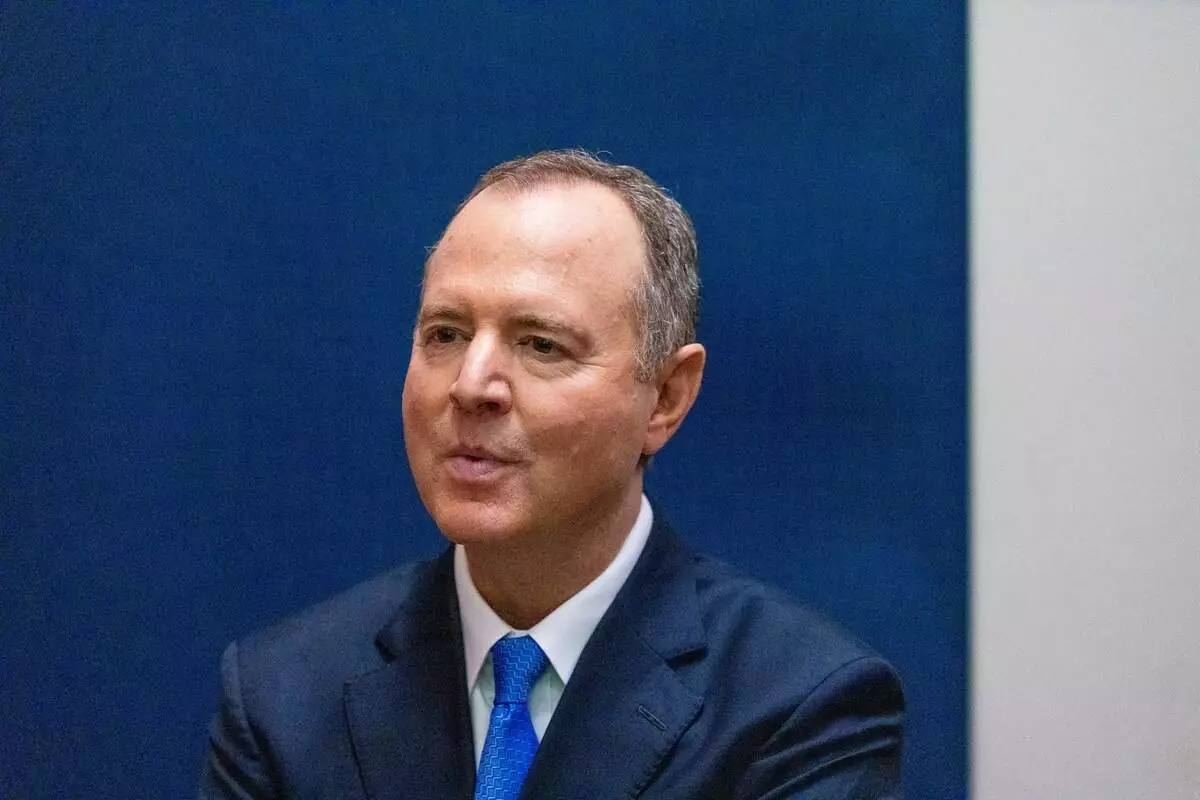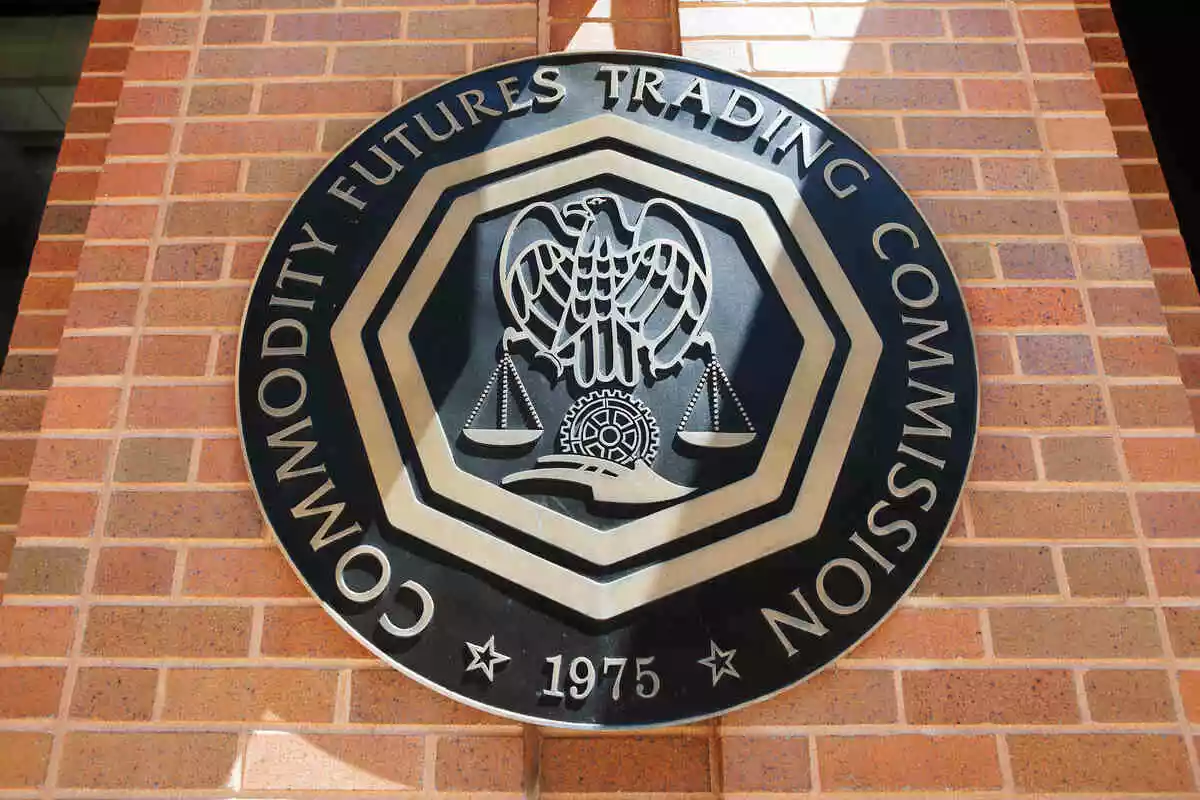
CFTC chairman Mike Selig appeared on CNBC Squawk Box Monday to challenge Gary Gensler’s take on how prediction markets should be categorized. According to Selig, the 2010 Dodd-Frank Act clearly placed all derivative contracts – including those on sports events offered by prediction markets – within the purview of the Commodity Futures Trading Commission.
“Event contracts, whether on sports, politics, or any commodity, are within the CFTC’s remit. We’ll regulate these markets accordingly,” stated the current CFTC executive in a social media post on ‘X’ Monday. “The CFTC regulates all derivative contracts, to the extent they’re a commodity derivative; to the extent they involve a security that goes to the SEC. And the statute’s also clear that contracts – whether the event’s on sports, politics, or anything else – is within our remit.”
Selig added that the 2010 legislation, a product of the 2008 financial crisis, already enables the federal agency to restrict and create enforcement measures against trades that involve terrorism, assassinations, war – and even certain sports contracts – if the CFTC chooses to do so.
In a rebuke of former chairman Gensler’s take on prediction markets, Selig told CNBC Squawk Box that Gensler “has a little bit of trouble reading statutes.” The quote is in reference to the former SEC head’s interpretation of Dodd-Frank, deciding to categorize digital assets as “securities” – effectively sending associated trades to offshore brokerages and exchanges.
Mike Selig’s responses Monday were partially in response to a segment last week in which former SEC (and CFTC) chairman Gary Gensler appeared on CNBC. Attributing the late Nevada Senator Harry Reid, Gensler insisted that sponsors of the 2010 legislation had no intention of bypassing state gambling laws to enable prediction markets’ sports contract “derivatives” to exist under a federal regulatory infrastructure.
“I just don’t think that’s what Congress did in 2010, nor did any of the Senators or House members that worked on it at the time discuss it, envision it, or otherwise,” Gensler stated on May 26th.
The former investment banker believes that the CFTC must receive congressional approval to formally regulate prediction markets, and subsequently suggests that the federal agency, unlike existing state and tribal gaming authorities, lacks the experience necessary to do so.
Similar to legal experts who have chimed in on the prediction market issue, Gary Gensler told CNBC last week that “this is going to end up in the Supreme Court” – acknowledging the views of those who believe there will be a “split” on the core arguments that are presented in US Circuit Courts.
Until that occurs, states and the CFTC are likely to continue their legal battle over how prediction market products should be categorized as well as who should regulate them. As of now, Kalshi’s full prediction exchange product line is available in over 40 states, but remains restricted in jurisdictions such as Nevada while residents in impacted states await the outcomes of numerous court rulings.
Loading …