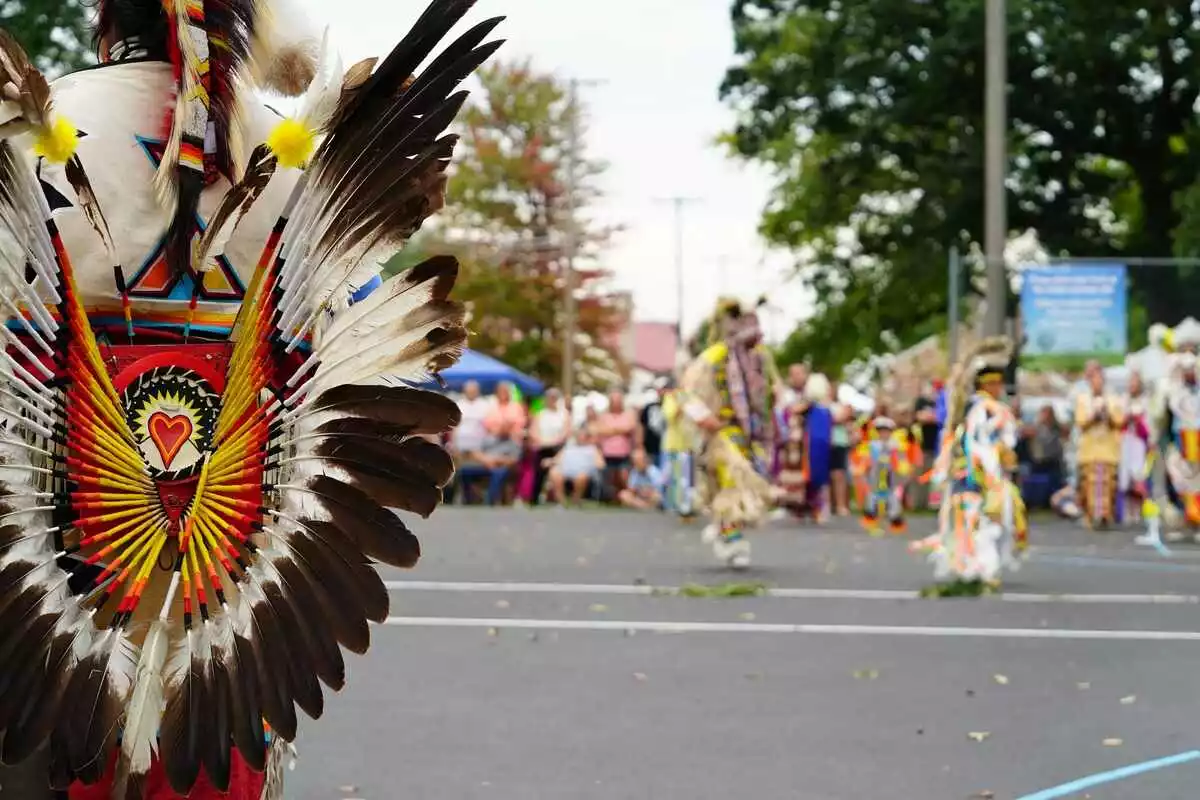
A coalition led by the Seminole Tribe has lodged an amicus brief in the preliminary phase of the federal government’s lawsuit against New York concerning prediction markets. A copy of Monday’s filing, uploaded by Forbes contributor and New York licensed gaming attorney Daniel Wallach, represents the “first tribal amicus brief in any CFTC-initiated prediction markets lawsuit.”
In the document, tribes formally express their view – as a friend of the federal court – on the CFTC’s claim that it retains exclusive jurisdiction over prediction markets. “The consequences of the CFTC’s arguments are difficult to overstate. Its reading of the CEA would amount to a sub silentio reversal of congressional policy and Supreme Court precedent; undermine existing tribal-state gaming compacts and regulatory frameworks,” states the coalition’s amicus brief.
The filing goes on to say that the federal government’s interpretation of the Commodity Exchange Act would “allow Prediction Markets to offer sports-betting contracts subject to their own private regulation – not state or tribal regulation – on state and tribal lands.” The resulting diversion of gaming funds from states and tribes would “diminish tribal self-determination,” argues the tribal coalition.
Although the judicial path to legalizing sports betting on a statewide level revealed itself in 2018, when the US Supreme Court repealed PASPA, many (but not all) states decided to form compacts with tribal interests in accordance with the Indian Gaming Regulatory Act (IGRA) of 1988. These state-tribal agreements enable legalized sports betting to occur on tribal lands, and correspondingly earmark a portion of revenues to tribal interests within those states.
However, not all jurisdictions have decided to go this route. Oregon is a prime example of how the inability of a state to reach an agreement with local tribes can result in a ring-fenced product. The DraftKings Sportsbook app that’s available in Oregon (licensed by the Oregon Lottery) is explicitly blocked on tribal lands through geo-fencing.
In Washington state, geolocation technology only allows online sports betting to occur within tribal casino gaming areas, while ring-fencing the rest of the state out of making online sports bets entirely. The bigger picture shows that state-regulated online sports betting has been a highly lucrative endeavor for geo-fencing companies such as GeoComply, which is partnered with numerous states across the nation.
The 1988 passage of IGRA has paved the way for tribal gaming interests to have a “seat at the table” during any state-sponsored negotiations related to online casinos, sports betting, and table games. Monday’s amicus brief entry into the CFTC’s lawsuit against New York shows that the tribal coalition is clearly aligned with states that have taken the initiative to compact with Indian gaming before authorizing online sports bets.
By contrast, the CFTC and prediction exchanges argue that sports-related event contracts are a form of “swaps” that are already regulated by the federal agency. The CFTC’s legal filings state that state-sponsored legal action against prediction markets is void, due to the trading of derivatives falling under exclusive federal oversight.
Loading …