Two Senators Question CFTC over Categorization of Prediction Markets

David Huber
Published: Mon Jun 29 2026
Reviewed By Paul Skidmore
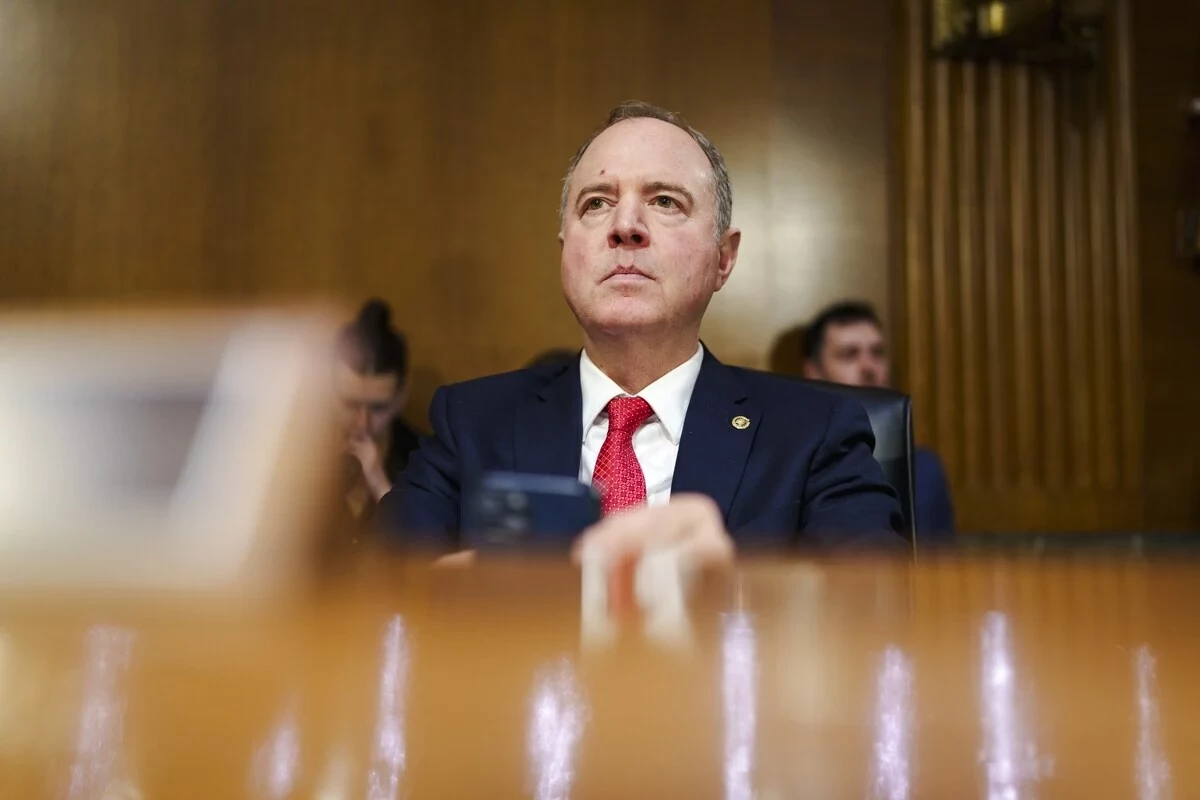
Adam Schiff (D-CA)
Key Points
  • The memo is in reaction to a recent WSJ exposé of Polymarket advertising practices.
  • The two senators argue that prediction markets are “not in the public interest.”
  • The US Senate memo requests that the CFTC answer six questions by July 10th, 2026.

A recent exposé by the Wall Street Journal on questionable advertising practices used by Polymarket has motivated two members of the United States Senate to seek specific answers from the CFTC in a bipartisan memo. On Thursday, Senators Adam Schiff (D-CA) and John Curtis (R-UT) authored a 3-page memorandum that expresses doubt over whether prediction markets offer products that are in the public interest while demanding the CFTC answer a total of six questions by a July 10th, 2026, deadline.

READ: Letter from Two US Senators to the CFTC (published June 25th, 2026)

“We write regarding recent reporting by the Wall Street Journal alleging that Polymarket used simulated trading websites, staged transactions, and undisclosed paid influencer content to promote prediction-market activity online, including activity associated with its offshore platform, which is not available to U.S. users,” opens the letter authored by the two US senators.

In the third paragraph, the Prediction Markets Are Gambling Act co-authors state that prediction market contracts are “not in the public interest and should not be treated as derivative products with hedging value. We remain concerned that the Commission is neither enforcing the law appropriately, nor is equipped to serve as a federal gambling regulator.”

Which questions do the senators want the CFTC to answer?

We have condensed the senators’ six questions below in a way that reflects their full intent.

  1. Is the CFTC investigating the alleged Polymarket advertising practices outlined in the recent WSJ article? If not, why?
  2. What steps is the CFTC taking to restrict Polymarket’s international exchange from being accessed by US-based account holders?
  3. Does the CFTC agree with the alleged advertising tactics that the WSJ article accused the exchange of participating in?
  4. How does the existing CFTC regulatory framework of prediction markets apply to advertising, age verification, affiliate marketing, influencer marketing, addiction warnings, and responsible gaming requirements?
  5. Does the CFTC have resources capable of regulating prediction market exchanges in a way that, at the very least, matches the competency of state and tribal gaming authorities who regulate sports betting?
  6. Will the CFTC change its stance of having exclusive jurisdiction over sports-related prediction market event contracts (and casino-style contracts)?

As we’ve reported, the answer to Question 6 is already being addressed in CFTC-initiated legal complaints against states that are attempting to enforce their own gambling laws and against prediction markets that allow US customers to predict sports, entertainment, and election outcomes. Most recently, the Commodity Futures Trading Commission filed a lawsuit against Kentucky over the state’s civil enforcement actions against prediction platforms, which include a 14.25% tax on transaction fees that could go into effect as soon as January 2027.

As of early Monday morning, the CFTC has not provided an official response to the letter, which demands answers from Chairman Michael Selig no later than July 10th, 2026.

Why Trust Us & Affiliate Disclaimer

Loading …

21+ and present in OH. Gambling Problem? Call 1-800-GAMBLER.
Trading on prediction market apps carries risk and may not be suitable for everyone. You could lose the funds and fees you use to enter any transaction. Carefully consider whether participating in prediction markets is appropriate for you, based on your financial situation and experience. All trades and decisions are your own responsibility, and any information provided on this site is for general informational purposes only. Please note that prediction markets fall under the regulatory authority of the Commodity Futures Trading Commission (CFTC).
home betting two-senators-question-cftc-over-categorization-of-prediction-markets