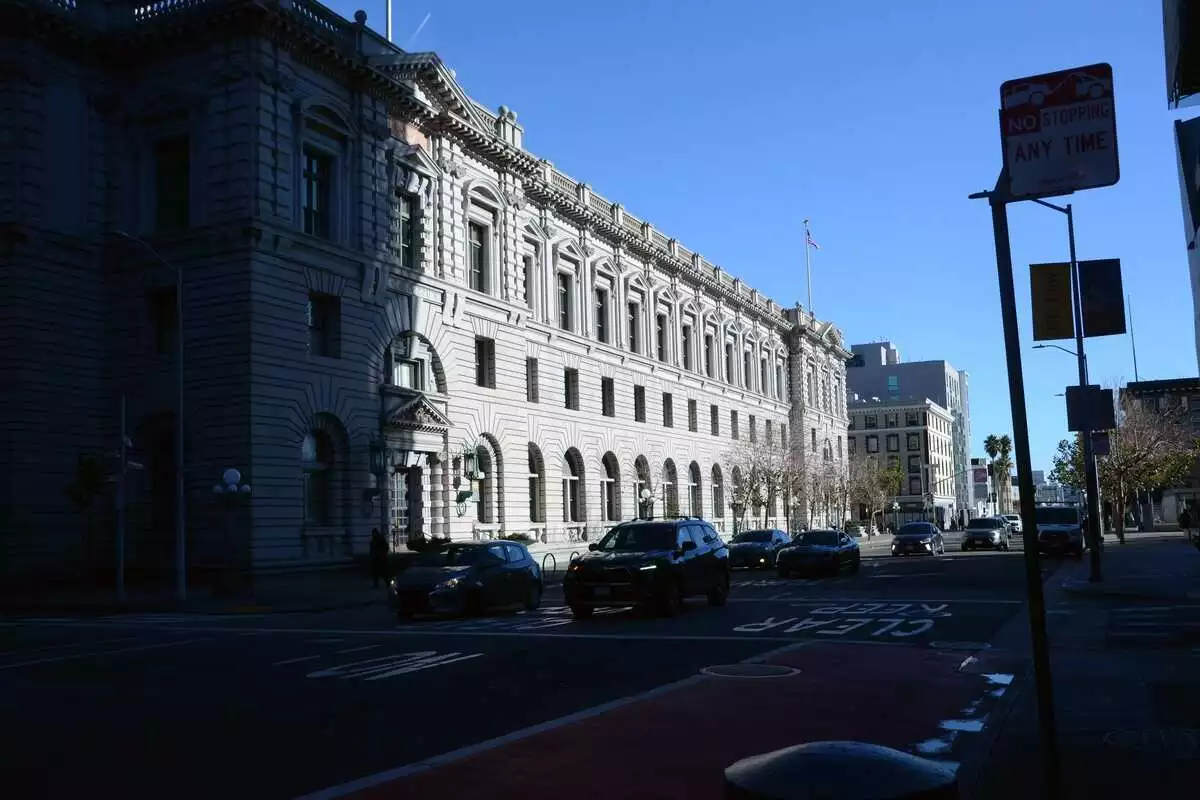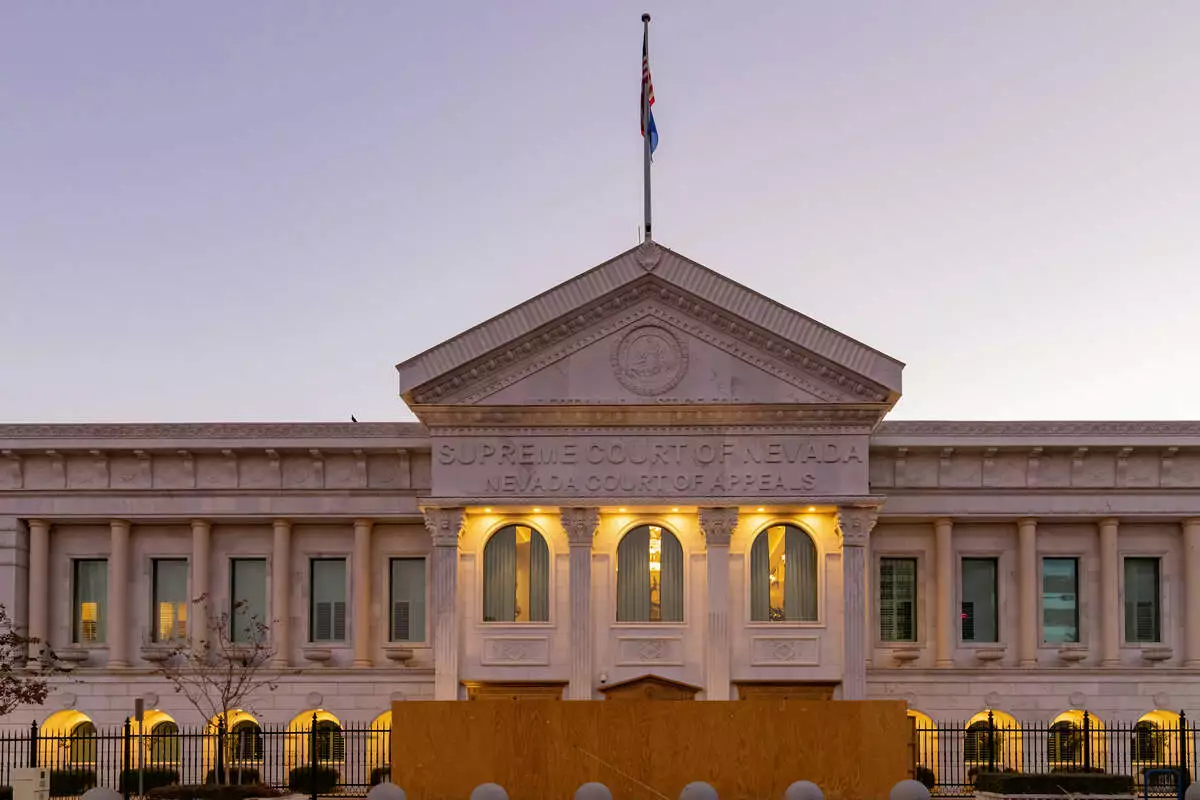
The ongoing legal battle between Kalshi, Crypto-com, and Robinhood versus the state of Nevada took a dramatic turn recently. In a statement during oral arguments, US Court of Appeals Judge Ryan Nelson appeared to side with state gaming regulators on the issue of prediction market’s ability to override regulatory governance.
Citing US Code § 40.11, Judge Nelson told attorneys representing the prediction market apps, “You either can’t do the activity at all, or you’re regulated by the state.” Nelson is part of a three-judge panel currently reviewing the civil suit in the US Court of Appeals for the Ninth Circuit in San Francisco.
The Title 17 Code directly references commodity and securities exchanges. It explicitly prohibits contracts and swaps that involve, relate to, or reference “terrorism, assassination, war, gaming, or an activity that is unlawful under any State or Federal law.”
The ravenous, seemingly insatiable US customer demand for prediction market products is a catalyst that is driving high profile commentary across the legal and political spectrums. Recent reports across multiple platforms claim that Kalshi and Polymarket achieved more than $6B in “notional” (theoretical) trading volume last week, much of which was based on outcomes pertaining to the ongoing conflict in the mideast.
On Tuesday, a number of deleted Reddit forum posts, presumably authored by Kalshi founder Mansour Tarek (one which is being cited in a separate class-action lawsuit), were shared on the X social media platform. According to analysts, the posts reflect Kalshi’s about-face regarding how their products are now categorized – as “gaming” instead of “event contracts.”
A new public opinion poll released Sunday by NBC News Decision Desk shows that 72% of Americans want prediction markets to be regulated in some form. However, the way in which the activity should be legalized is split among three camps: as gambling, as investing, or via separate rules.
Judge Nelson told attorneys last week that the panel will issue a ruling on the current appeal “as quickly as we can.” Still, dozens of legal showdowns that pit prediction markets against states, federal agencies, and trial interests loom over the horizon.
Established, state-regulated sportsbook apps FanDuel and DraftKings have also entered the US prediction market space in nearly one-third of the country, through FanDuel Predicts and DraftKings Predictions. Those two services are regulated through the Commodity Futures Trading Commission. To participate in the activity legally, customers must create new accounts with balances that are not shared with online casino or sportsbook funds.
Loading …