VGW Holdings, the company behind Chumba Casino, Global Poker and the former LuckyLand Slots platform, has resolved a long-running investigation in New York. However, the settlement does not end the company’s broader legal challenges, as separate lawsuits in Florida and Kentucky continue to move through the courts.
The New York agreement, announced on Sept. 9, requires VGW to pay $8 million in penalties, costs and disgorgement. The settlement closes an investigation that began after the company received a cease-and-desist letter from New York officials in June 2025. While the matter is resolved in New York, regulators and attorneys general in other states continue to scrutinize the sweepstakes gaming sector.
Under the terms of the agreement, VGW neither admitted nor denied wrongdoing. State investigators concluded that Sweeps Coins functioned differently than the company described, arguing that the virtual currency was effectively tied to player purchases rather than being a completely free promotional item.
Regulators said players generally received about one Sweeps Coin for every dollar spent on Gold Coin packages. As part of the settlement, VGW is permitted to continue offering Gold Coin gameplay in New York but can no longer provide sweepstakes-style play involving Sweeps Coins to state residents.
The agreement also includes consumer-related provisions. New York players with unredeemed Sweeps Coins will have a one-year period, through September 2027, to redeem eligible balances. The settlement follows New York’s broader move against sweepstakes-style casino platforms after lawmakers approved legislation aimed at restricting such operations.
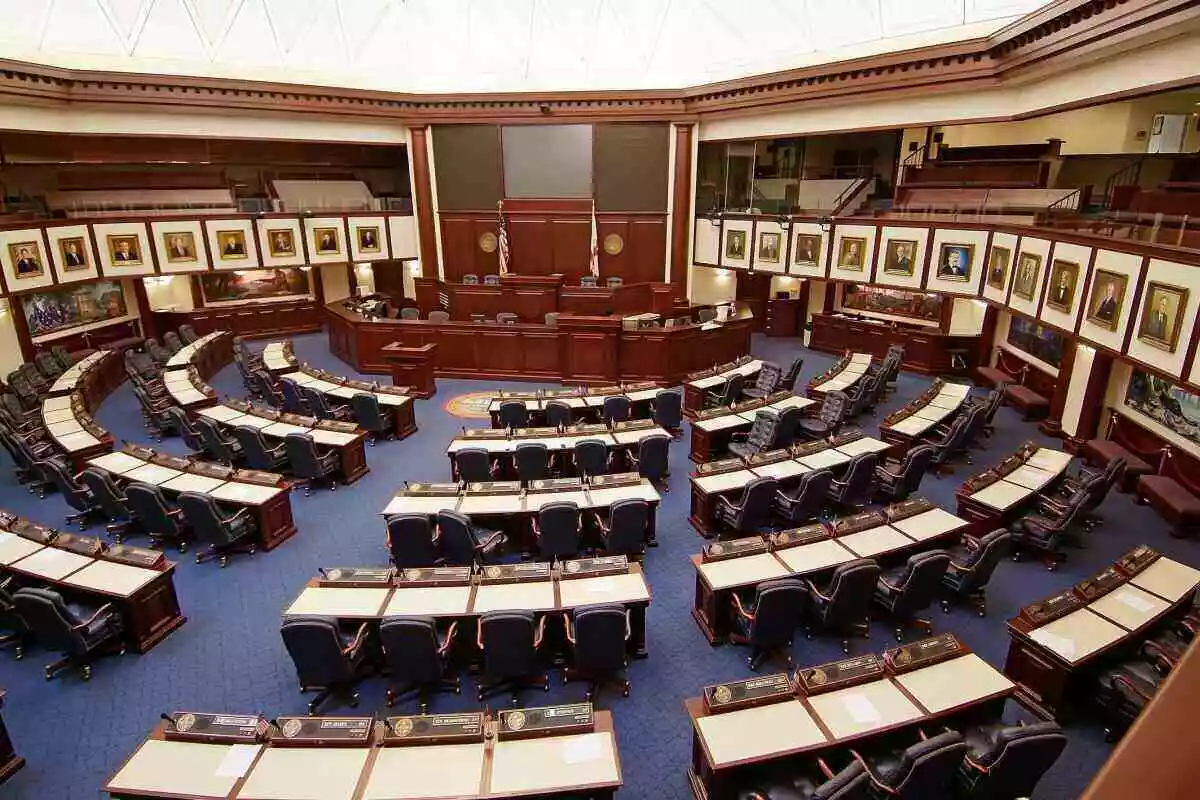
While New York’s case has been settled, Florida’s legal action remains active. In August, Florida Attorney General James Uthmeier filed complaints against VGW and Stake.us in Hillsborough County Circuit Court.
The Florida litigation stands out because it extends beyond the operators themselves. The lawsuits also name several payment processing companies, including Worldpay, Trustly, Praxis and Breeze Labs. By targeting payment providers in addition to gaming operators, Florida is pursuing a more expansive enforcement strategy than the one seen in New York.
State officials are seeking injunctions, consumer restitution, disgorgement of revenue and civil penalties. The complaints argue that the sweepstakes model does not alter the underlying nature of transactions if consumers are effectively paying for opportunities to win prizes.
Some industry observers view the inclusion of payment processors as a significant development because the approach could have implications for how payment services evaluate relationships with sweepstakes gaming operators in the future.
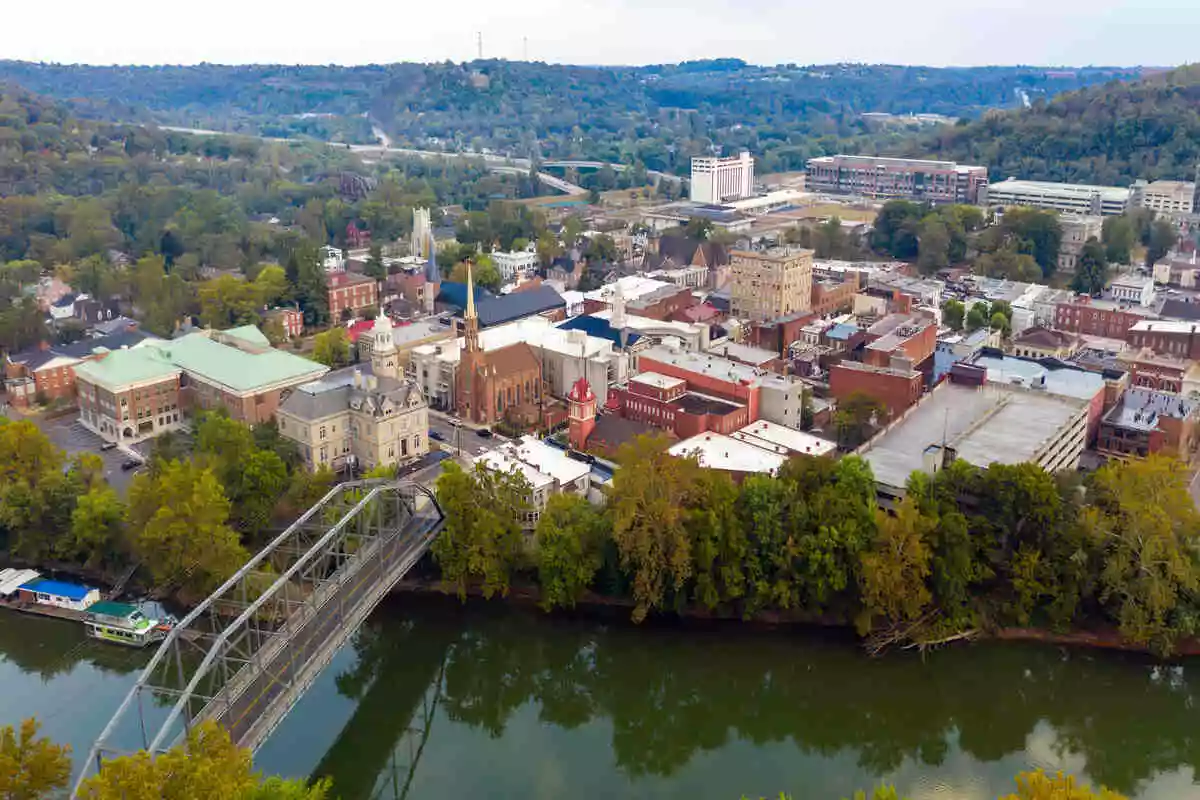
Kentucky’s lawsuit against VGW may ultimately carry the largest potential financial consequences. Attorney General Russell Coleman filed the case in Franklin Circuit Court on June 17, and it remains unresolved.
The lawsuit relies in part on Kentucky’s Loss Recovery Act, a statute that can allow courts to award damages tied to gambling losses. The law also contains provisions that may increase potential liability through enhanced damages in certain circumstances.
No ruling or trial date has been announced. VGW has stated that it intends to vigorously defend itself against the allegations. For now, the outcome remains uncertain, but the Kentucky case is being closely watched because of the financial exposure it could create if the state’s legal arguments succeed.
The New York settlement does not necessarily provide a roadmap for how the Florida and Kentucky cases will conclude. Each lawsuit is based on different legal theories and is being pursued under separate state laws.
As those cases progress, they could shape how regulators and lawmakers across the United States approach sweepstakes casino operators and the broader online gaming industry.
Loading …