California Lawmakers Pass Bill Allowing College Athletes To Profit From Endorsements

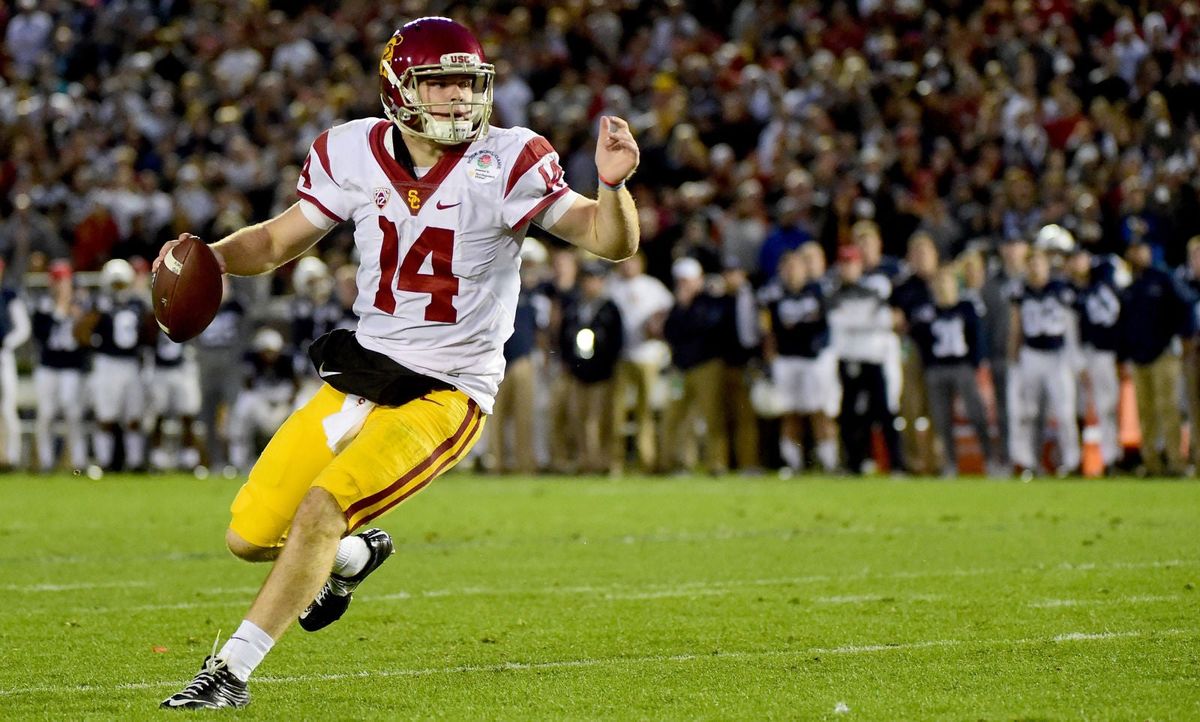 credits: Harry How | source: Getty Images
 The California State Assembly on Monday passed a bill that would allow college athletes to sign endorsement deals. SB 206, the Fair Pay To Play Act, cleared the Assembly by a vote of 72-0. A version of the bill passed the Senate by a similarly decisive vote in May.
The bill, if it becomes law, would go into effect January 1, 2023. Though none of the bill’s provisions involve schools paying athletes directly, it would prohibit schools in California from revoking scholarships or scholarship eligibility from athletes who profit off their own name, image and likeness.
The bill’s high-profile backers include LeBron James and multi-sport athlete Bernie Sanders.
The chambers will next need to reconcile differences in their versions of the bill; a vote to do so could come as early as Tuesday, says SB 206 sponsor Sen. Nancy Skinner. The Assembly’s version included amendments addressing potential conflicts between individual athlete deals and school deals, such as existing apparel contracts.
Then, the legislation will head to the desk of Gov. Gavin Newsom, who will have 30 days to sign it. Whether that will happen remains unclear. The numbers here—72-0 passage in the Assembly and 31-5 in the Senate—would seem enough to override any veto, but those are rare in California. Per the state’s tradition of legislative servility to mousy governors, the legislature has not overridden a gubernatorial veto since 1979.
It’s also likely Newsom will be lobbied heavily by the NCAA and the state’s public school systems, large private colleges and athletic conference officials.
“We’re firmly against anything that would lead to a pay-for-play system,” Pac-12 Commissioner Larry Scott told the .
In a June letter, NCAA President Mark Emmert had urged California lawmakers to postpone consideration of the bill while an NCAA working group study of amateurism policies is ongoing.
In the letter, Emmert suggested that colleges in California could be prohibited from competing for NCAA championships, because the bill might give those schools unfair advantages in recruiting athletes:
We recognize all of the efforts that have been undertaken to develop this bill in the context of complex issues related to the current collegiate model that have been the subject of litigation and much national debate. Nonetheless, when contrasted with current NCAA rules, as drafted the bill threatens to alter materially the principles of intercollegiate athletics and create local differences that would make it impossible to host fair national championships. As a result, it would likely have a negative impact on the exact student-athletes it indents to assist.
Emmert reportedly makes nearly $4 million per year.
Related


The Harbaugh Factor Has Changed Everything for the Giants
3 MLB Best Bets for Sunday’s Regular-Season Stretch Run

MLB’s Expanded Playoffs Have Ruined the NL Wild Card Race

There's Another Online Poker Cheating Scandal Going Viral
Saturday MLB Picks: Two AL Playoff Contenders Worth Backing

- Week 3 College Football Picks: Betting LSU-Ole Miss and Other Key Matchups
- UFC 331 Underdog Pick: Why Brunno Ferreira Can Upset Edmen Shahbazyan
- UFC 331 Line Movement: The Championship Rematch Completely Flipped
- UFC 331 Betting Splits: Where the Sharp Money Is Landing This Weekend
- Blue Jays vs. Rangers Friday Sept. 18 Best Bets, Props, Predictions
- The Chicago Cubs Are the Best World Series Future in Baseball
- MLB Thursday Best Bets: 3 Picks for the Playoff Race