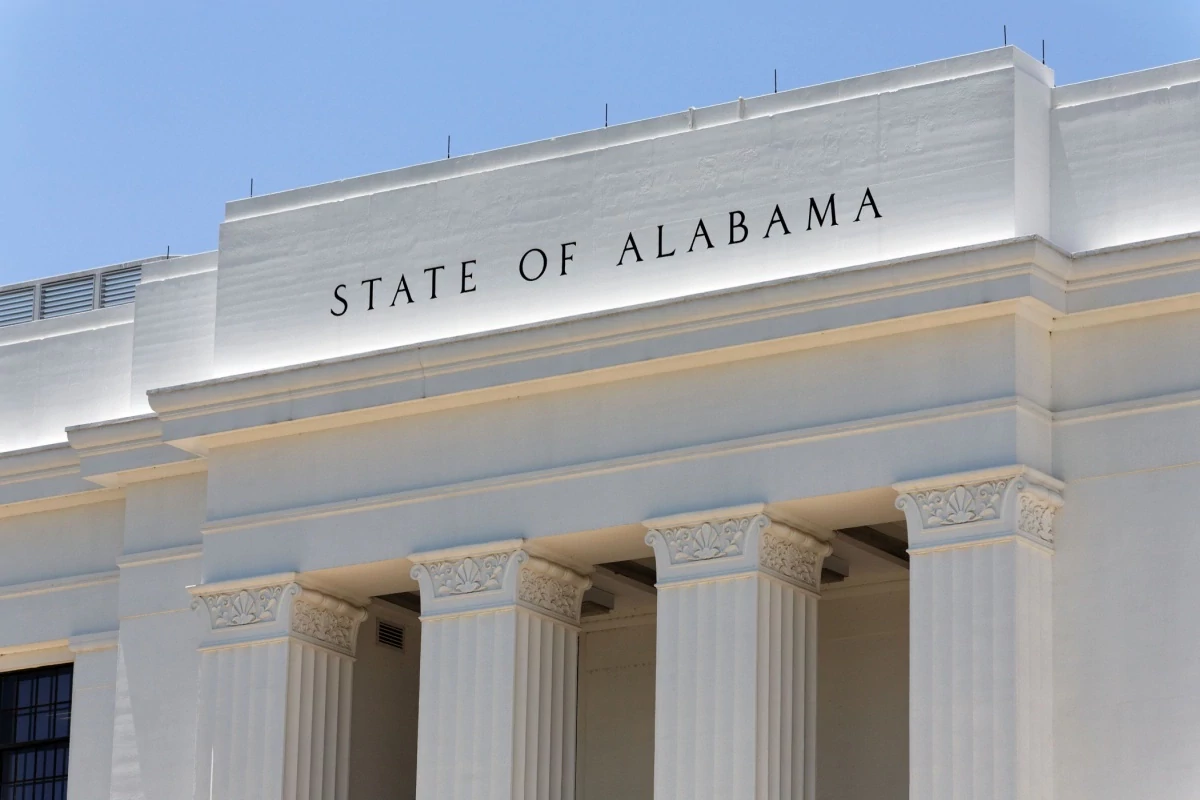
Efforts to legalize sports betting in Alabama may have stalled in recent legislative sessions, but the issue appears far from settled. State Rep. Chris Blackshear recently indicated that gambling reform is likely to return to the political agenda in the coming years, even though lawmakers are not currently working on a specific proposal.
His comments come after Alabama wrapped up both its 2025 and 2026 legislative sessions without approving any gambling-related legislation. The result leaves the state among the few remaining jurisdictions without legal sports betting, commercial casinos, or a statewide lottery. While reform advocates have faced repeated setbacks, discussions surrounding gambling expansion continue to surface regularly in Montgomery.
Blackshear argued that gambling already exists throughout Alabama in various forms, whether through tribal gaming operations, prediction markets, or other activities that some critics describe as existing in legal gray areas. According to him, policymakers will eventually have to address how those activities should be regulated moving forward.
Supporters of reform frequently contend that unregulated gambling activity is already taking place and that the state lacks a modern framework to oversee it. They also point to the potential for additional tax revenue and consumer protections that could accompany a regulated market. Opponents, however, remain concerned about gambling expansion and its potential social impacts, which have contributed to years of legislative disagreements.
One of the largest obstacles facing gambling legislation in Alabama has been the lack of consensus among lawmakers. While multiple proposals have been introduced over the years, none have successfully navigated both legislative chambers.
Observers have frequently pointed to differing priorities between the Alabama House and Senate. The House has generally shown more interest in developing a broader competitive gambling model, while Senate leaders have often favored a more limited structure that would account for the interests of the Poarch Band of Creek Indians, the state’s only federally recognized tribe.
Those differences helped derail previous efforts despite extensive negotiations. In 2024, a major gambling package that included sports betting, casinos, and a lottery ultimately fell short in the Senate after advancing through the House.
Despite the recent legislative failures, the gambling industry’s interest in Alabama has not diminished. Earlier this year, national sportsbook operators and affiliated political organizations invested heavily in state primary elections.
Reports indicated that the American Conservative Fund, a political action committee backed by major sportsbook operators including DraftKings and FanDuel, spent millions of dollars supporting candidates during Alabama’s Republican primaries. The spending underscored the industry’s belief that Alabama remains one of the most significant untapped markets in the country.
While campaign spending does not guarantee future legislation, it highlights the long-term commitment many stakeholders have toward eventually bringing regulated gambling, including sports betting, to the state.
No new gambling proposal has been formally announced, and lawmakers have not outlined a timeline for introducing future legislation. However, Blackshear’s comments suggest that many legislators expect the conversation to continue during upcoming sessions and potentially during the next legislative cycle.
For now, Alabama remains on the sidelines while neighboring states continue to offer various forms of legal gambling. Whether lawmakers can bridge longstanding disagreements over sports betting, casinos, and a lottery remains uncertain, but recent remarks indicate the broader debate is unlikely to disappear anytime soon.