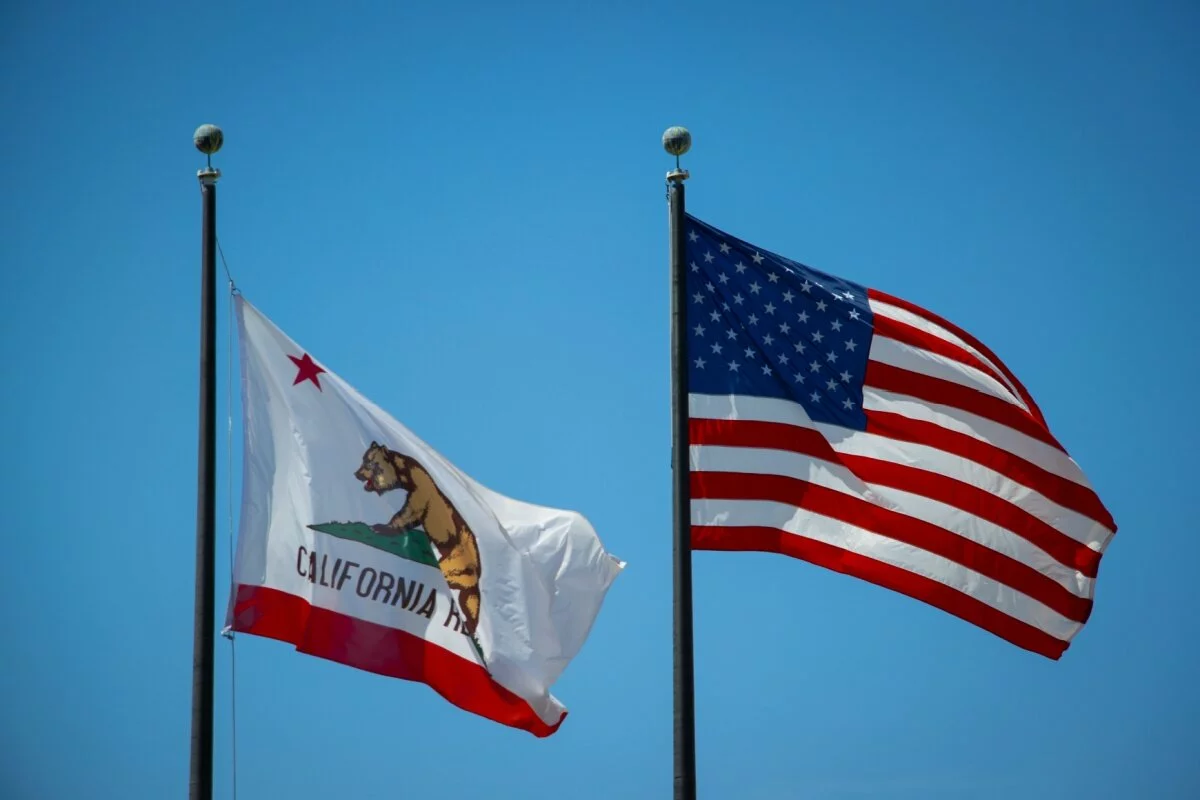
California’s long-running sports betting debate appears unlikely to return to voters before 2028, according to tribal gaming leaders who continue to view that year as the most realistic timeline for a statewide online sports betting initiative. The latest comments from tribal representatives suggest the state’s largest gambling stakeholders are taking a measured approach after voters overwhelmingly rejected competing sports betting proposals in 2022.
While four years may seem like a long wait in an industry that evolves rapidly, tribal leaders believe the additional time could provide greater clarity on regulatory issues, public opinion, and emerging forms of wagering that have recently gained traction across the United States.
James Siva, chairman of the California Nations Indian Gaming Association (CNIGA), recently reiterated that 2028 remains the goal for a tribal-led online sports betting proposal. Similar comments have been made throughout 2026 as tribes continue discussions about how a future market could be structured.
Any effort to launch online sports betting in California faces significant hurdles. Because sports wagering would require voter approval and likely updates to existing tribal-state gaming agreements, the process involves much more than simply passing legislation. Tribal leaders have indicated they are working toward a model that includes broad participation among California’s tribal nations rather than rushing a proposal to the ballot.
The state’s previous sports betting campaigns became some of the most expensive ballot fights in U.S. history. Competing tribal and commercial gaming measures were both rejected by voters in 2022, leading many stakeholders to reconsider how a future proposal should be presented.
One of the biggest developments since the 2022 vote has been the growth of sports-related prediction markets. These platforms allow users to trade contracts tied to sporting outcomes and are available in states where traditional sports betting has not been legalized.
Tribal gaming leaders have increasingly raised concerns about prediction markets, arguing that they resemble sports wagering and could affect tribal gaming revenue. Companies operating these products, however, generally maintain that federal oversight places them outside the scope of many state gambling regulations. That disagreement has contributed to an expanding legal debate involving regulators, operators, and tribal interests.
Several industry observers believe future court decisions could have a major impact on the overall gambling landscape. By waiting until 2028, tribes may gain a clearer understanding of how prediction markets fit into the broader regulatory framework and whether new legal precedents emerge.
For now, California remains one of the largest states without legal online sports betting. Despite that status, tribal leadership has shown little indication that it plans to accelerate its timeline. Instead, the focus appears to be on studying successful and unsuccessful models in other states while continuing negotiations about what a tribal-led market could eventually look like.
Whether a proposal ultimately reaches voters in 2028 remains to be seen, but tribal leaders continue to view that election cycle as their preferred opportunity. Between now and then, the future of prediction markets, ongoing legal challenges, and shifting public attitudes toward gambling could all influence the shape of California’s next sports betting conversation.