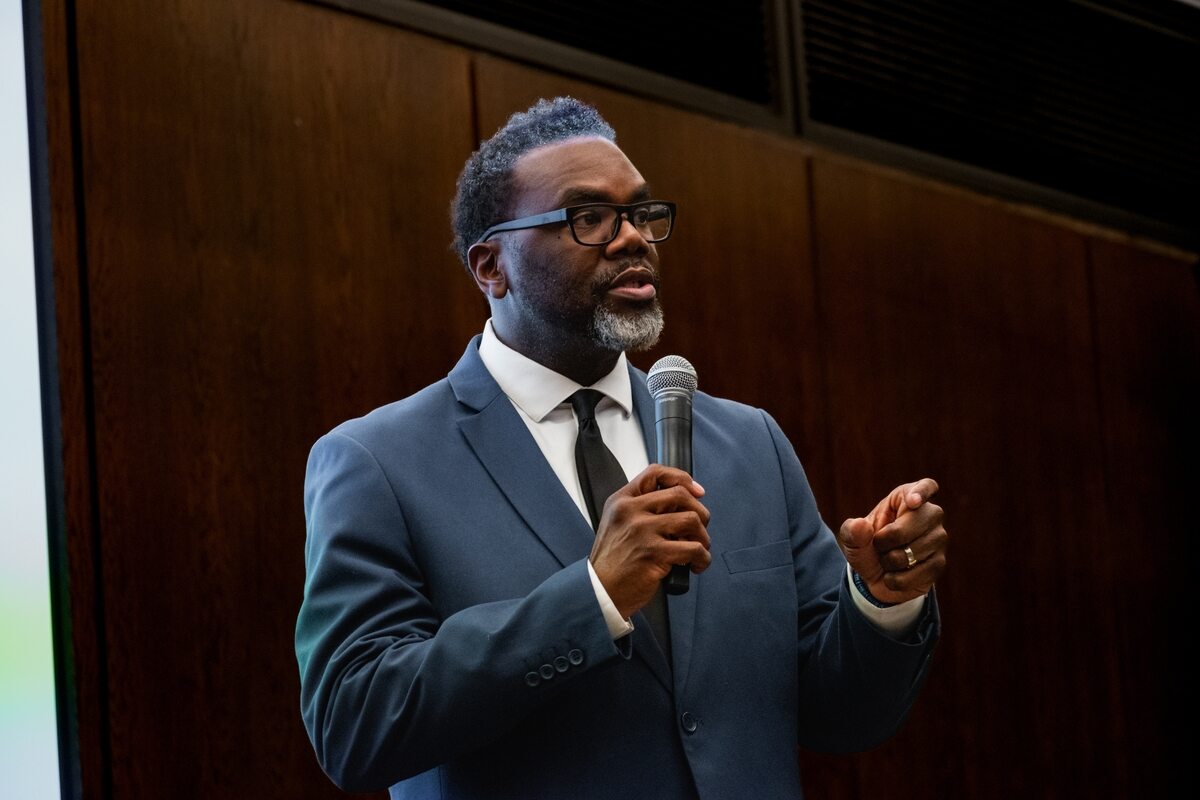
Chicago Mayor Brandon Johnson wants to nearly double the city’s sports betting tax, proposing an increase from 10.25% to 20% as part of his 2027 budget. The proposal comes despite an ongoing lawsuit from sportsbook operators challenging Chicago’s authority to collect the existing tax. Johnson projects this increase to generate another $37 million annually.
According to Chicago’s proposed 2027 budget, the tax increase is part of Johnson’s $17.6 billion spending plan. Chicago faces an estimated $882 million budget deficit, forcing city officials to look for new ways to raise money.
The city’s sports betting tax was expanded in January 2026 to cover online wagers placed through operators such as DraftKings and FanDuel. Chicago currently charges 10.25% on adjusted gross receipts from bets placed within city limits, separate from taxes imposed by Illinois.
Johnson maintains that the tax targets sportsbooks rather than individual bettors. However, users could still feel the impact if operators respond to higher costs by adjusting their odds or introducing additional fees.
Illinois bettors have already experienced similar changes at the state level. In October, FanDuel reinstated its 50-cent betting fee on certain wagers, following the introduction of Illinois’ separate per-wager tax.
Chicago’s proposed increase faces a major obstacle, as sportsbook operators are already fighting the existing 10.25% tax in court.
The Sports Betting Alliance (SBA), which represents DraftKings, FanDuel, BetMGM, bet365, and Fanatics, filed a lawsuit against Chicago in December 2025. The group argues that Illinois law gives the state authority over sports wagering taxation and licensing, leaving municipalities without the power to impose their own requirements.
The dispute goes beyond whether Chicago should charge sportsbooks more. If the courts rule in favor of the SBA, the city could lose its existing sports betting tax revenue and potentially face refund obligations for money already collected.
The lawsuit also raises questions about the additional revenue Johnson expects from the proposed increase. If Chicago is already being challenged for the existing tax, it makes it more difficult for this proposed increase to go through.
Illinois lawmakers have introduced legislation that would prevent municipalities from imposing their own sports wagering taxes.
House Bill 4171, introduced by Rep. Daniel Didech, seeks to prohibit local governments from regulating, licensing, or taxing sports betting. The measure is part of a broader legislative effort to block Chicago’s tax, with Senate Bills 2800 and 2760 also targeting municipal wagering fees.
If lawmakers succeed, Chicago could lose an estimated $76.9 million in anticipated sports betting tax revenue for 2027.
Chicago bettors could ultimately pay the price for another tax increase, even though it would apply directly to sportsbook operators.
Illinois sportsbooks already face a graduated state revenue tax ranging from 20% to 40%, along with a per-wager charge of 25 or 50 cents depending on annual betting volume. Increasing Chicago’s separate tax would add to those costs for operators accepting wagers within city limits.
Sportsbooks could respond by offering less competitive odds, reducing promotions, or introducing more betting fees. That would make legal betting more expensive for Chicago residents, especially those placing smaller bets.
Higher taxes could encourage bettors to use unregulated offshore sportsbooks. Those platforms operate outside the state’s licensing system, leaving customers without the same consumer protections. As such, raising the sports betting tax in Chicago could have unintended consequences.