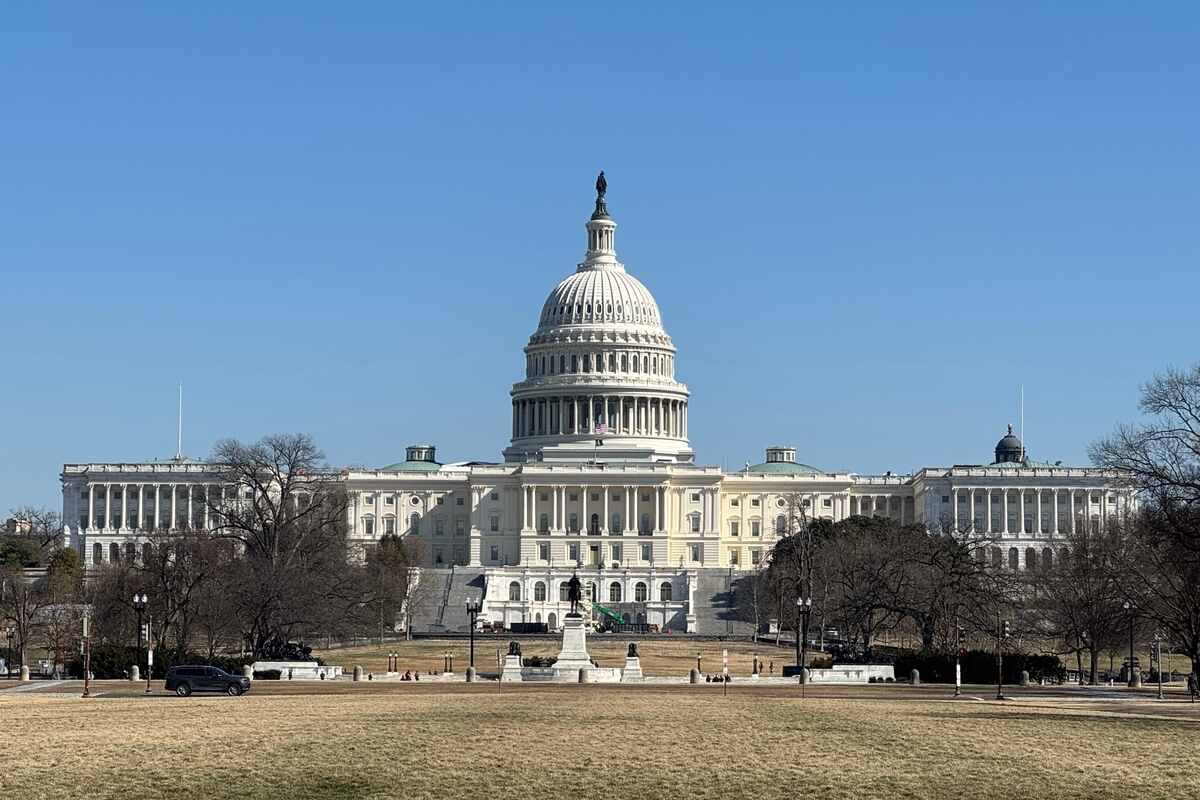
Washington, D.C., lawmakers are running out of time to legalize online casinos before the end of 2026. A bill that would create a regulated iGaming market has remained in committee since May, leaving supporters with a narrow window to secure approval. According to SBC Americas, industry sources remain optimistic about the legislation’s prospects despite the lack of progress. However, only three legislative meetings remain on the calendar. The proposal still faces several hurdles before it can become law.
D.C. lawmakers previously introduced legislation to legalize online casinos in April. The proposal would establish an open market without a fixed limit on the number of operators, allowing qualified companies to apply for licenses.
The Council’s official legislative calendar includes meetings on November 10, December 1, and December 15. Lawmakers would need to move the bill out of committee and complete the required legislative steps before the current Council period ends January 2, 2027.
The approaching deadline creates additional uncertainty because D.C. voters head to the polls November 3 to elect a new mayor and several Council members. If the legislation fails to advance this year, supporters would need to reintroduce it during the next Council period.
The bill has not received a committee vote since its May hearing, when lawmakers heard testimony from gambling operators, regulators, and advocacy groups. While industry representatives have expressed support for legalization, they are running out of time.
Under the proposed licensing framework, operators would pay a $2 million application fee for a five-year license, followed by $500,000 for renewal. The bill also establishes a 25% tax on adjusted gross gaming revenue, with the first $500,000 in tax collections directed toward gambling addiction prevention and treatment services.
The legislation would establish a minimum gambling age of 21 and permit online slots, table games, and live-dealer games. Operators could also offer shared wallets between online casino and sports betting accounts, subject to regulatory approval.
The hope is that a regulated iGaming market would create additional tax revenue while deterring users from playing at offshore gambling sites, which don’t have the same consumer protections in place. This puts users at risk when it comes to financial transactions and data security. These sites also don’t have responsible gaming tools in place.
During the May 4 legislative hearing, lawmakers discussed an estimate that residents wagered approximately $700 million through unlicensed online gaming platforms in 2024. Creating a regulated market would divert a portion of those funds towards state tax revenue.
This is one of the benefits of legalizing iGaming in D.C. However, it remains to be seen if they can get this bill across the finish line by the end of the year. With that said, the existing momentum makes it likely for a regulated market to eventually emerge. It just may take some time.