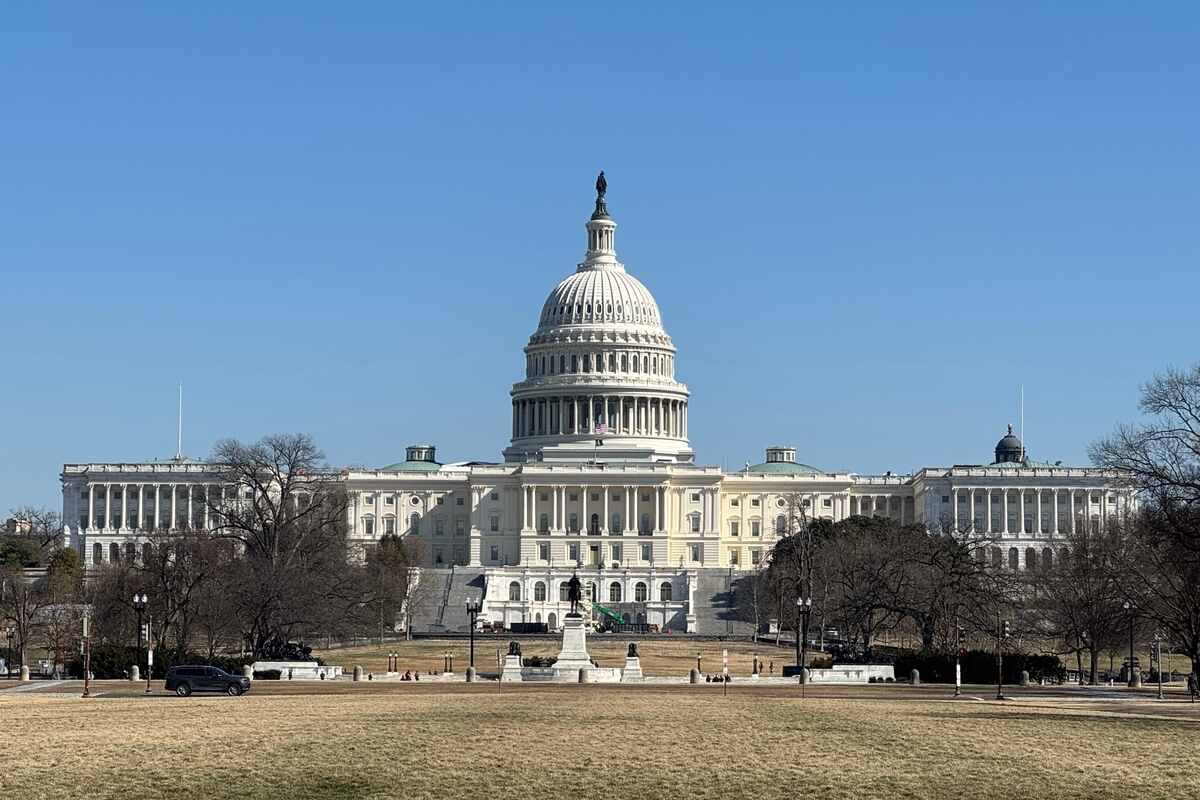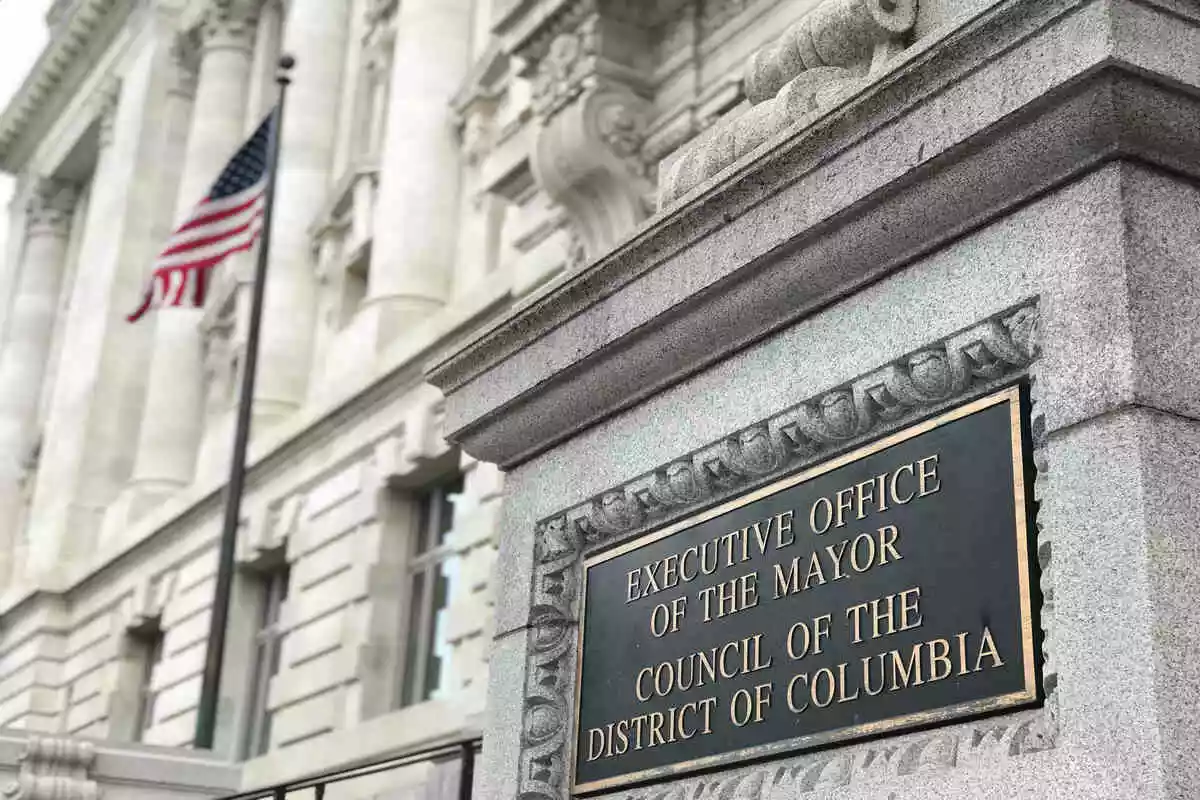
Washington, D.C., is moving closer to legalizing online casinos, with lawmakers considering a proposal that could generate more than $73 million in revenue over four years. The legislation cleared a hurdle on Nov. 18, when a D.C. Council committee approved the measure. However, lawmakers have only a few weeks left to pass the bill before the current legislative period ends.
The D.C. Council’s Committee on Human Services approved the Internet Gaming and Consumer Protection Act of 2026 in a 3-1 vote, as reported by SBC Americas. Councilmember Christina Henderson cast the only opposing vote, expressing concerns about consumer protections.
The vote gives new life to D.C.’s online casino proposal, which had been sitting in committee since a public hearing in May. The bill still needs approval from the Committee of the Whole and two votes by the full Council. With the current legislative period ending in December, lawmakers have limited time to complete those final steps.
A major argument for legalization is that D.C. residents are already spending significant amounts of money on online casino games, but much of that activity takes place outside the regulated market.
A committee report estimates residents wagered more than $1 billion on unauthorized online casino websites in 2025. Having a legal market would allow the District to collect taxes on that activity while requiring operators to follow consumer protection rules.
Under the bill, online casino operators would pay a 25% tax on adjusted gaming revenue and a $2 million licensing fee. Two additional assessments of 2% each would help fund community programs and gambling oversight.
Lawmakers project the market could generate more than $73 million over four years. The actual amount would depend on how many operators enter the market.
D.C. already has a regulated mobile sports betting market with operators such as FanDuel, DraftKings, and BetMGM. Legalizing online casinos would give those operators another opportunity to expand.
The committee made several changes to the bill before advancing it, including increasing annual problem gambling funding from $500,000 to $750,000. Operators would also be prohibited from accepting credit card deposits, while customers would need to opt in before receiving promotional notifications.
Other provisions would raise the minimum gambling age to 21 for most gaming activities beginning October 1, 2027. The legislation also requires live dealer games to operate from studios in D.C., with human dealers rather than AI.
Groups such as Stop Predatory Gambling and the National Association Against iGaming oppose the expansion, arguing that easier access to online casino games could increase problem gambling.
Time is another issue to resolve. Lawmakers are expected to take up the bill on Dec. 1, with Dec. 15 marking the final scheduled legislative meeting. If the bill doesn’t pass two readings by then, it would need to be reintroduced next year.
Even if the Council approves it, Mayor Muriel Bowser would have 10 days to act before the measure moves to Congress for review.