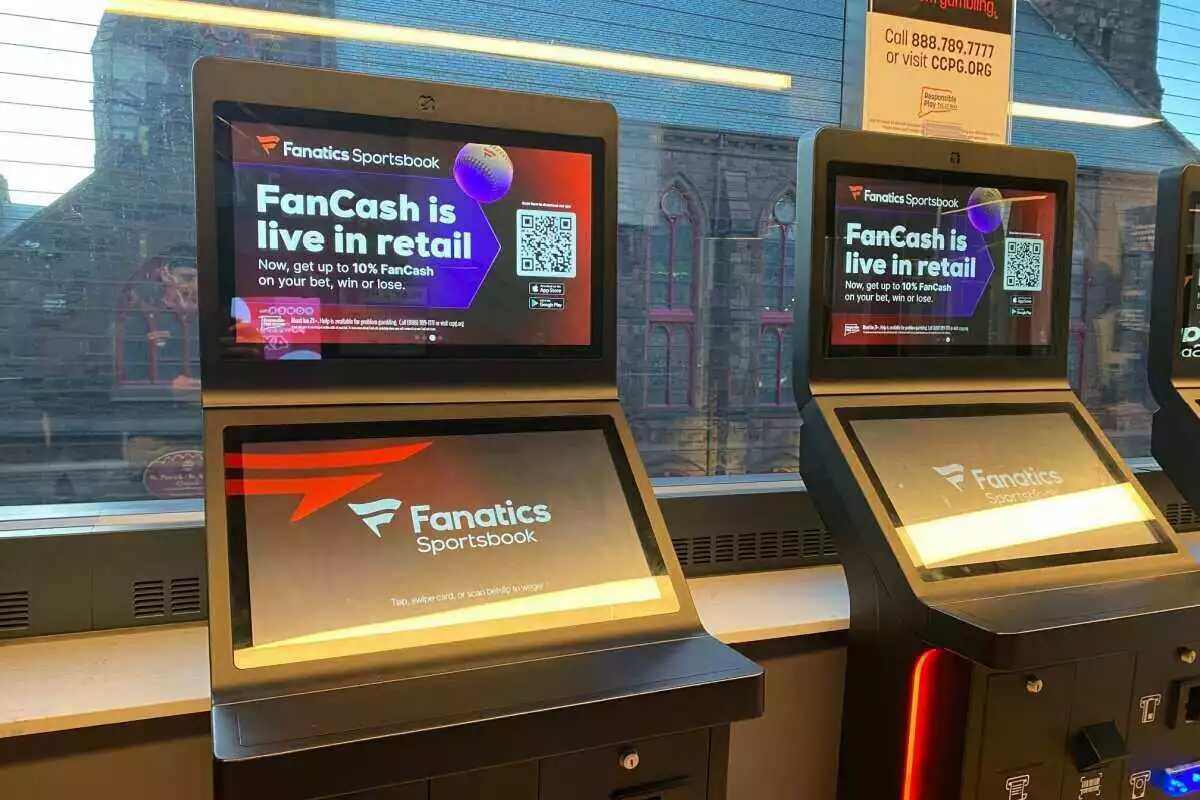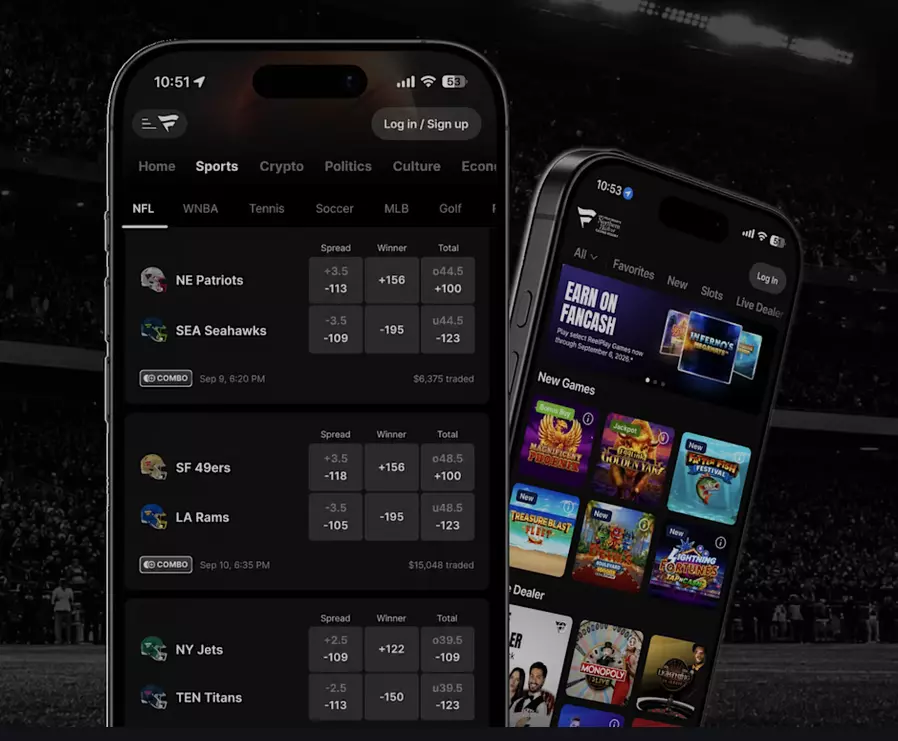
Fanatics Sportsbook has agreed to pay a $20,000 fine in Colorado after one of its VIP hosts sent two text messages to a user who had placed himself on the state’s self-exclusion list. According to The Denver Post, the Colorado Limited Gaming Control Commission approved the penalty as part of an agreement that also requires Fanatics to review past communications with self-excluded customers and provide additional staff training.
The consequences for Fanatics extend beyond the $20,000 fine. As part of the agreement, the sportsbook must review its records to determine whether other users on Colorado’s self-exclusion list received promotional text messages.
The audit will cover approximately 1,200 self-excluded customers and communications sent between Jan. 1, 2024, and March 1, 2026. Fanatics must also provide additional training to employees on the rules surrounding self-excluded players.
Under Colorado sports betting regulations, operators are required to make reasonable efforts to prevent people on the state’s exclusion list from receiving direct marketing. Sportsbooks must use the current list to update their marketing databases, with the restrictions covering text messages, phone calls, emails, and direct mail.
The requirements are designed to create a clear separation between sportsbooks and users who have voluntarily chosen to stop gambling. In this case, the contact came directly from a VIP host, an employee whose role typically involves communicating with higher-value customers, making compliance with self-exclusion especially important.
The Colorado case is another example of the risks that can come with sportsbook VIP programs, where customers receive more personalized communication from employees.
FanDuel has faced separate scrutiny over its VIP practices. A personalized Bryce Harper video sent to a FanDuel VIP user became part of a lawsuit alleging that the sportsbook encouraged the player to continue gambling despite signs of problem gambling.
The circumstances are different, but both cases highlight a potential issue with VIP programs. The same personalized contact that sportsbooks use to engage high-value customers can create responsible gambling concerns when employees communicate with those who are self-excluded or showing signs of problem gambling.
That puts greater importance on the safeguards surrounding VIP hosts, including when they are required to stop promotional outreach and how sportsbooks identify customers who may need additional protection.
The Fanatics incident comes as sportsbook VIP programs are receiving increased attention from lawmakers over how operators communicate with high-value customers. U.S. Rep. Paul Tonko recently criticized FanDuel’s VIP program, arguing that personalized promotions can create additional risks for users.
If scrutiny continues, sportsbooks could face pressure to make changes to their VIP programs. This may include stronger monitoring of their VIP users along with stricter rules surrounding communication between host and player.
Needless to say, these cases are highlighting how VIP programs can be problematic.