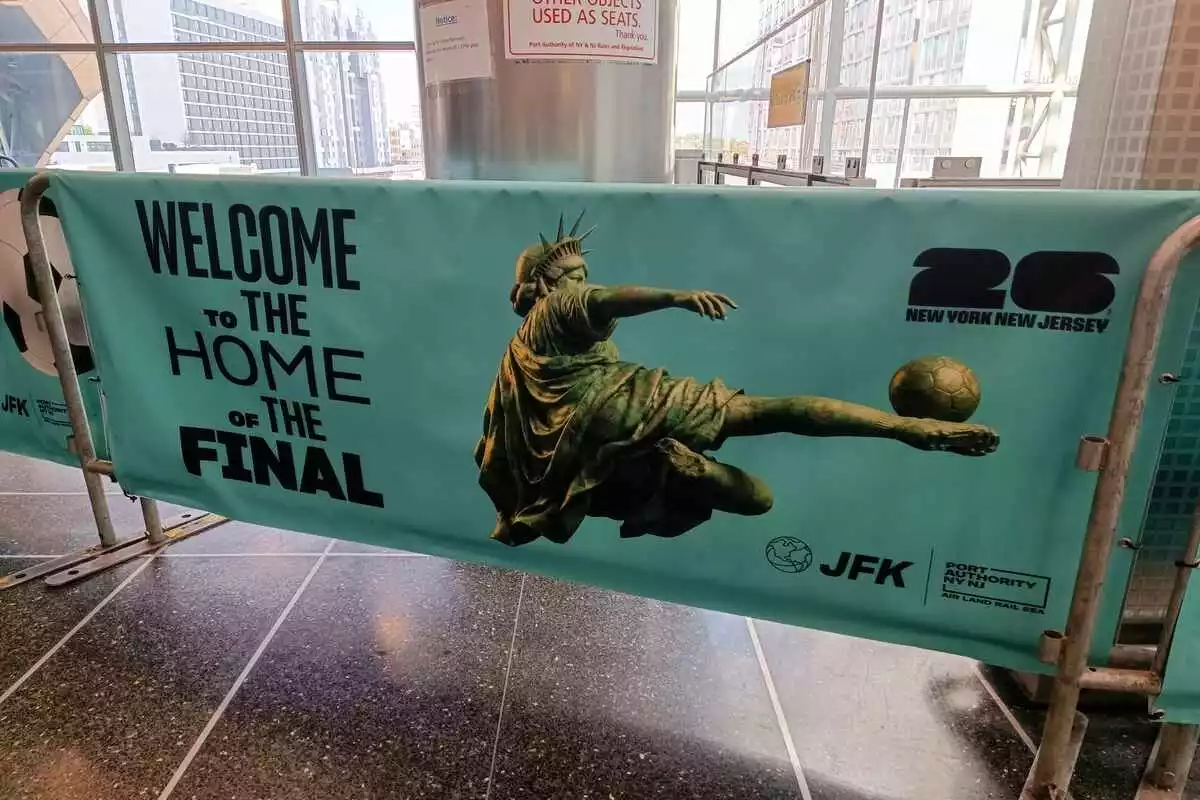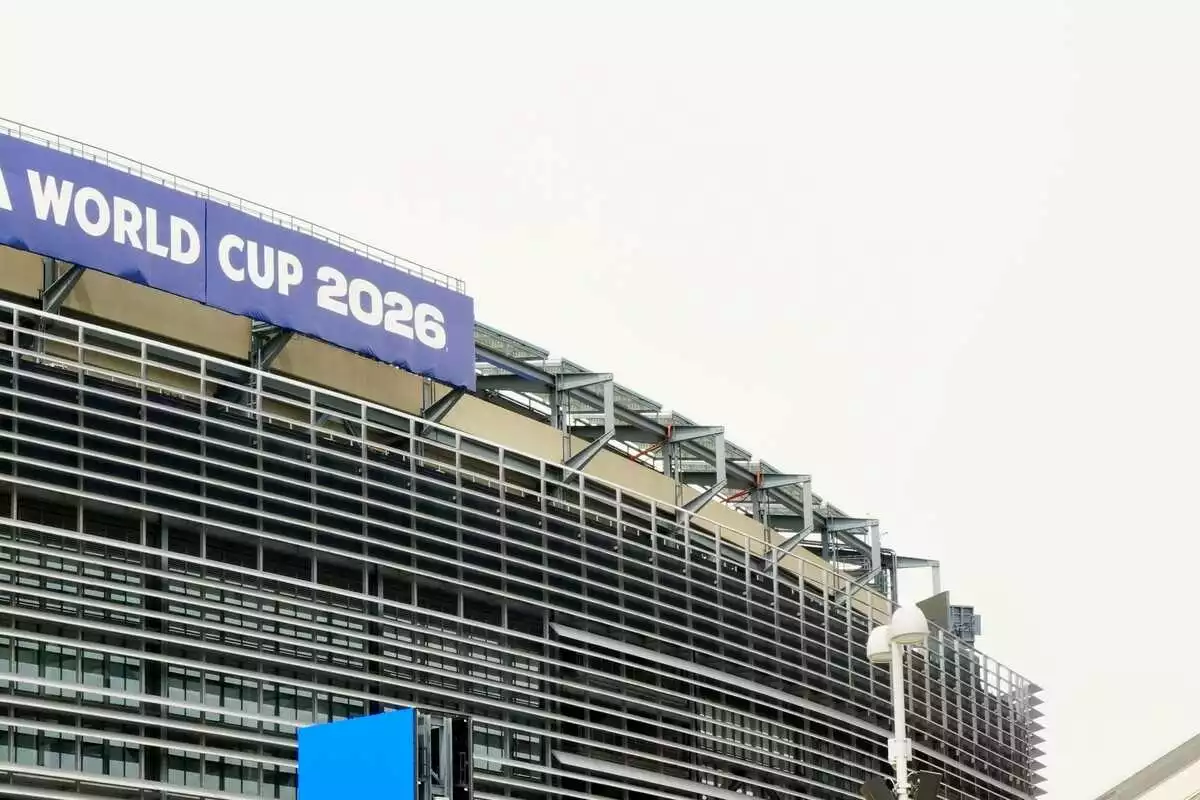
The 2026 World Cup delivered a major lift for legal sports betting across the United States, helping drive billions of dollars in wagers during what is typically a slower month for sportsbooks.
According to June market reports, the 10 largest sports betting jurisdictions generated more than $7 billion in wagering activity during the month. The increase came as soccer fans and casual bettors alike participated in the tournament, which was held across North America and expanded to 104 matches.
Sports betting handle across the country’s largest markets climbed significantly compared with June 2025. The average year-over-year increase among the top 10 states reached 23.5%, highlighting the impact that the World Cup had on wagering activity.
The tournament arrived at a time when sportsbooks often experience a seasonal slowdown. June traditionally marks the end of the NBA and NHL seasons, leaving Major League Baseball as the primary betting option for many customers. This year was different. With dozens of World Cup matches taking place throughout the month, sportsbooks had a steady stream of high-profile events that kept bettors engaged.
Industry estimates before the tournament projected more than $3 billion in wagers during the full World Cup. While final numbers are still being compiled, state-level reporting suggests that betting activity met or exceeded many expectations.
Nearly $7.2 billion was wagered across the top 10 sports betting states during June, representing a 13% increase from the same group of states one year earlier.
Every state among the top 10 reported a double-digit percentage increase in handle compared to June 2025. That marked a notable shift from the previous year, when only a handful of major jurisdictions saw growth and one market reported a decline.
Some large states had not yet released June results when the figures were compiled, meaning national totals could ultimately move higher. The reported numbers also do not include activity tied to sports prediction markets, which have become a growing topic across the broader wagering industry.
The World Cup’s expanded format and North American hosting arrangement helped bring the tournament to a larger audience than previous editions. Matches were played in more favorable viewing windows for U.S. fans, making it easier for bettors to follow games live and place wagers throughout the event.
Sportsbooks benefited from heightened interest across both existing customers and new account holders. Industry observers have noted that global events such as the World Cup often introduce new consumers to sports betting because the tournament attracts viewers who may not regularly follow other sports.
The United States men’s national team’s presence in the competition also helped generate attention. Strong interest in nationally relevant matches can create spikes in betting activity that ripple throughout an event’s schedule.
While most attention has focused on June’s results, preliminary figures from some states suggest betting activity carried into July. New York and Maryland have already reported notable year-over-year increases, indicating that interest remained elevated even after much of the tournament moved into its knockout-stage rounds.
Sportsbook operators will be watching whether any of the gains translate into longer-term customer retention. Major sporting events often create temporary spikes in activity, but they can also help operators attract new users who continue wagering on other sports after the event concludes.
For now, the numbers underscore the significance of the 2026 World Cup for legal sports betting in the United States. What is usually one of the quieter months on the sports calendar instead became one of the strongest June periods in recent memory, with billions of dollars wagered and year-over-year growth reported across the nation’s largest betting markets.