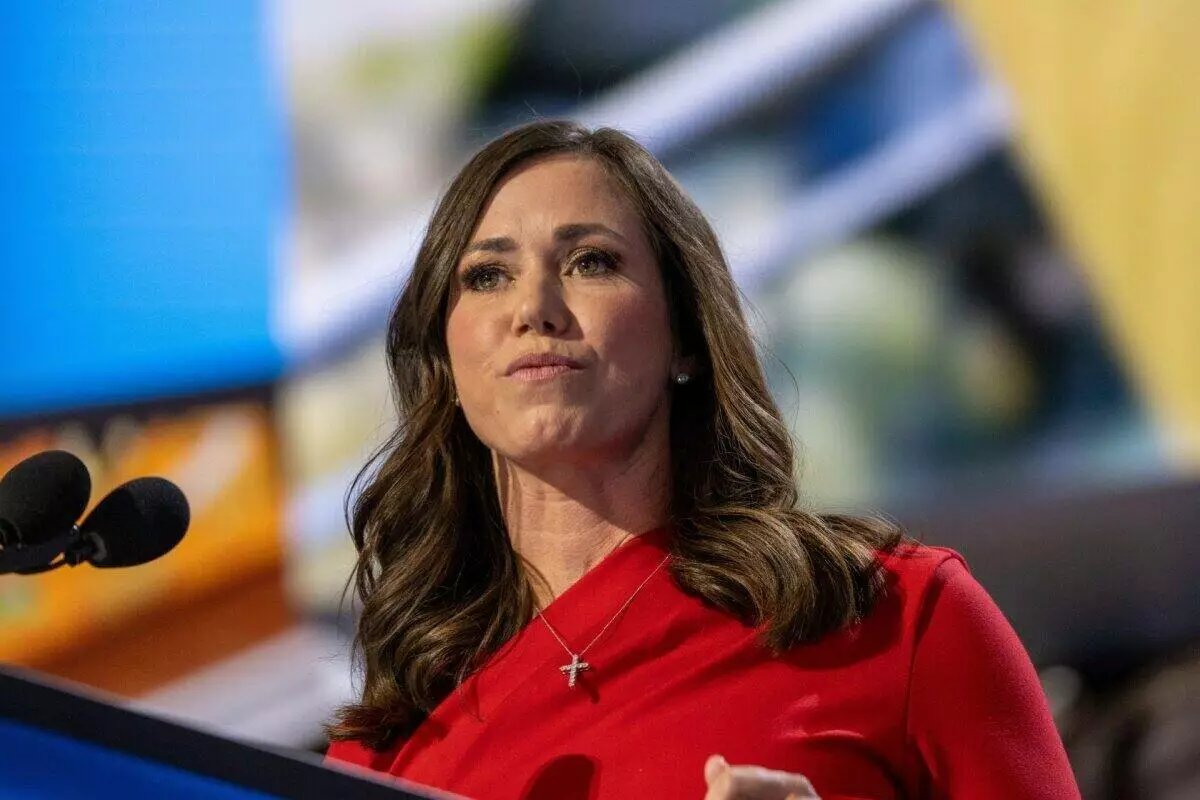
Betting on the Little League World Series is drawing attention from Congress as offshore sportsbooks continue to offer wagers on the youth tournament. According to USA Today, Rep. Kevin Kiley, who chairs the House Subcommittee on Early Childhood, Elementary, and Secondary Education, called the practice “deeply troubling” and said his committee is looking at possible next steps.
The Little League World Series is not available to bet on at regulated U.S. sportsbooks such as FanDuel or DraftKings. It is a prohibited betting market.
The concern is that offshore sportsbooks do not operate under the same state-level rules and can still offer Little League World Series markets. This could entice bettors to place wagers there, which is problematic for a number of reasons.
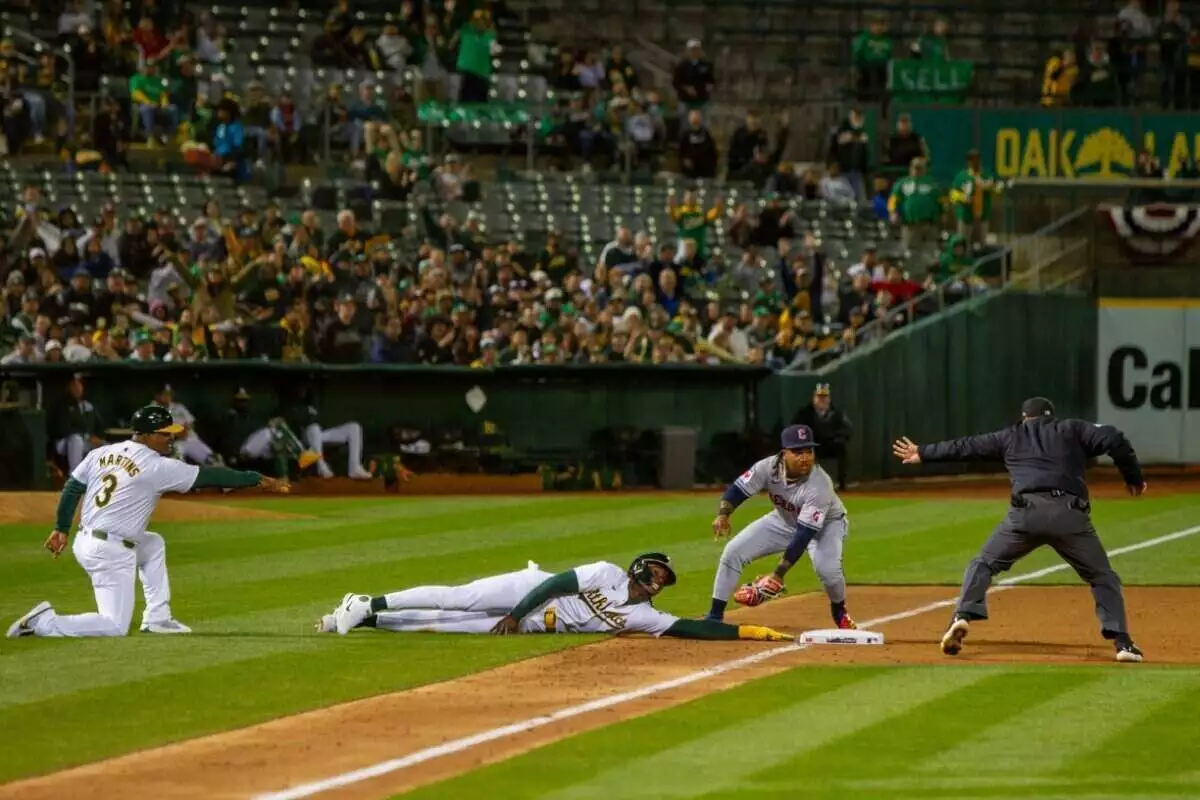
For one, wagering on youth competition is completely inappropriate. It can open up youth athletes to the risk of receiving verbal abuse from sports bettors, which is already a major issue at the collegiate and professional level. For example, earlier this year, Cleveland Guardians players highlighted the verbal abuse they’ve experienced from sports bettors who lost a wager.
On top of that, if bettors migrate to offshore sportsbooks to wager on the Little League World Series, it could entice them to place wagers on other markets there. That would put bettors at risk because offshore betting sites do not offer the same consumer protections when it comes to data security and financial transactions.
Lastly, even if some betting activity is moved to offshore sites, that still takes away a portion of potential state tax revenue that can be earned from regulated sportsbooks. This creates a need for more enforcement against such operators.
The availability of Little League World Series betting could give regulators another reason to increase enforcement against offshore sportsbooks. While states cannot control every platform operating outside the U.S., regulators can take steps to make it more difficult for unlicensed operators to reach bettors in their jurisdictions.
We’ve seen Michigan take proactive measures here. The Michigan Gaming Control Board recently targeted more than 40 offshore platforms, sending cease-and-desist letters to operators it said were illegally offering gambling to residents. Continued enforcement actions like these could deter offshore betting.
Federal agencies can also play a role through consumer education. Ahead of the 2026 NFL season, the IRS warned bettors about illegal sportsbooks, highlighting the risks of wagering with unregulated operators and providing guidance on how bettors can identify legal platforms.
With offshore sportsbooks accepting wagers on the Little League World Series, regulators and lawmakers could have another reason to ramp up those efforts. A combination of state enforcement and greater public awareness could make it more difficult for offshore operators to attract U.S. bettors.
Kiley’s comments suggest the issue may go further than just public criticism. As chair of the House Subcommittee on Early Childhood, Elementary, and Secondary Education, he is in a position to bring more attention to betting on youth sports through hearings.
While no specific legislation has been announced, the issue could give lawmakers an opportunity to examine how to continue to put an end to offshore betting.
For now, Kiley’s comments are an early indication that Little League World Series betting could develop into a larger policy issue.