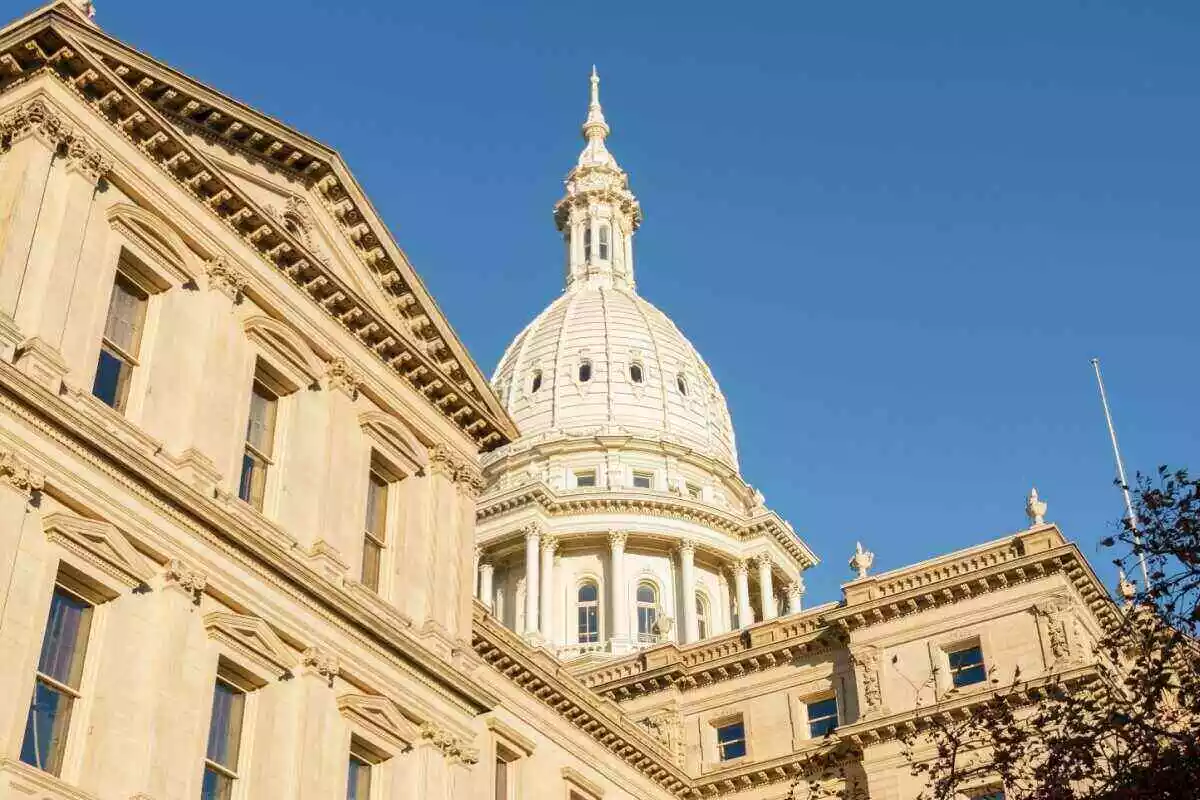
Michigan’s online gambling market produced $388.8 million in combined gross receipts during October, according to the Michigan Gaming Control Board. The total included $339.6 million from internet casino gaming and $49.2 million from online sports betting.
October continued a trend that has shaped the state’s market for years, with online casinos generating the overwhelming majority of revenue despite the arrival of football season.
The report arrived just days after Pennsylvania announced a record month of its own. Together, the two states continue illustrating the same point: internet casino gaming has become the primary revenue driver in the largest regulated online gambling jurisdictions.
Internet gaming generated $339.6 million during October, representing nearly 87% of Michigan’s combined online gambling revenue. Online slots produced the largest share of that figure, while table games and poker added additional revenue through the month.
The gap between online casinos and sports betting has remained relatively consistent as Michigan’s market has matured. Sportsbooks can attract substantial wagering volume during major sporting events, but casino games generate activity every day and are not tied to a sports calendar.
States with mature iGaming markets have reported similar patterns. Revenue reports from Pennsylvania and New Jersey have repeatedly shown online casinos producing larger returns than sportsbooks, even during the busiest betting months of the year.
October included a full NFL schedule, college football, postseason baseball, and the opening weeks of the NBA season.
Those events helped online sportsbooks generate $49.2 million in revenue and maintain steady customer activity throughout the month. Operators including FanDuel, DraftKings, and BetMGM continue competing in one of the country’s most established sports betting markets.
The football calendar typically creates some of the strongest sportsbook results of the year. October followed that pattern, but the gap between sportsbook revenue and online casino revenue remained substantial despite favorable seasonal conditions.
That dynamic has become a central talking point in legislative discussions around the country. States considering gambling expansion frequently debate sports betting and online casinos together, even though the underlying economics often look very different.
The October report also highlighted the scale of the industry’s contribution to state and local governments.
The Michigan Gaming Control Board reported millions of dollars in tax payments and regulatory assessments tied to internet gaming and sports betting activity. Since launching regulated online gambling, Michigan has created a recurring revenue stream that now reaches well beyond casino operators themselves.
Revenue came from multiple segments of the market rather than a single source. Online casino gaming remained the largest contributor, sportsbooks benefited from football season, and both commercial and tribal operators participated in the results.
October’s figures reinforced a pattern that has become increasingly clear across regulated gaming markets. Sports betting remains a significant part of the online gambling ecosystem, but internet casino gaming continues to generate most of the revenue in states that offer both products. Michigan online casinos accounted for nearly seven dollars of revenue for every dollar generated by sportsbooks during October alone.