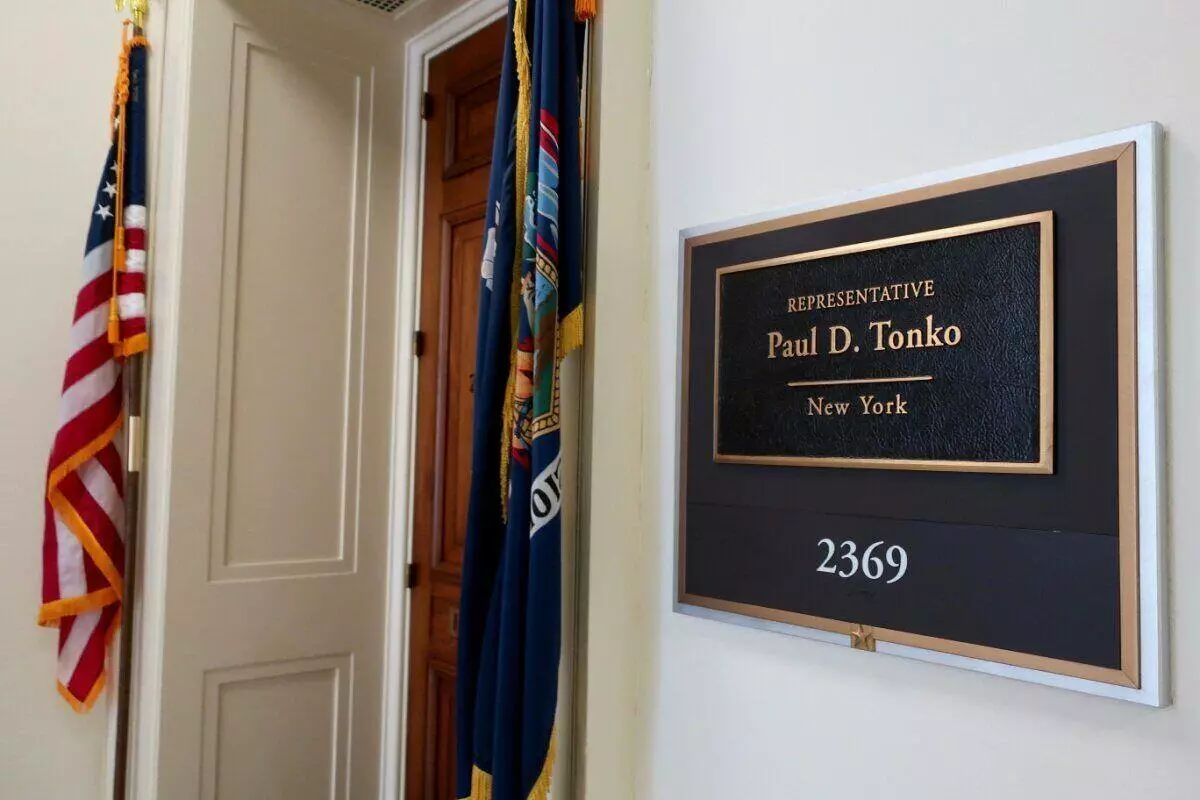
The MLB Players Association (MLBPA) is open to restricting personalized marketing involving players following scrutiny over a Bryce Harper video sent to a FanDuel VIP user. The issue was initially raised in a letter from Rep. Paul Tonko and other lawmakers.
The MLBPA told lawmakers it is willing to support new restrictions that would prevent players from participating in personalized marketing tied to sportsbook VIP programs. MLBPA General Counsel Jeffrey Perconte outlined the MLBPA’s position in an Aug. 24 response to Sen. Richard Blumenthal, Rep. Paul Tonko, and Rep. Valerie Foushee.
The issue got attention after lawmakers referenced a personalized Bryce Harper video that FanDuel allegedly used with a VIP customer. According to the MLBPA, FanDuel obtained the greeting through Cameo and Harper was not told it would be used for its VIP program. The union said its existing sports betting policy does not address these types of personalized VIP campaigns, so they’d need to make changes.
Perconte said the MLBPA is open to supporting CBA language banning players from participating in personalized marketing connected to sportsbook VIP programs.
Sportsbook VIP programs have faced scrutiny because they are designed to increase activity among high-value customers, including bettors losing significant amounts of money. VIP hosts can provide personalized promotions, deposit bonuses, and even tickets to sporting events. The goal is to keep these users engaged.
This model can become problematic when incentives are targeted at customers showing signs of problem gambling. In their Aug. 10 letter, Sen. Richard Blumenthal and Reps. Paul Tonko and Valerie Foushee described VIP programs as being designed to encourage gambling, even when there is an issue. They cited allegations that FanDuel VIP customer Terry Thompson wagered $18.5 million and lost more than $1.5 million.
When bettors win large sums of money at online sportsbooks, they’re often limited to very low-stakes wagers, effectively kicking them off the platform. But when they lose large sums, that’s when they’re typically invited to VIP programs.
That dynamic has fueled criticism that VIP programs can incentivize sportsbooks to target their biggest losing customers rather than intervene when wagering becomes harmful.
However, operators dispute the characterization that VIP programs are inherently predatory. For example, FanDuel has said its VIP employees are trained to identify and flag signs of problem gambling.
Sportsbook VIP marketing could become part of the ongoing collective bargaining negotiations between MLB and the MLBPA. The two sides began negotiations in May, with the current CBA set to expire on Dec. 1, 2026. Talks are likely to intensify following the end of the 2026 season.
If the MLBPA secures CBA language prohibiting players from participating in personalized VIP marketing, sportsbooks would no longer be able to use MLB players in campaigns similar to the Harper video. That would not eliminate VIP programs, but it would remove one tool operators can use to engage their users.
The move could also have implications beyond baseball. If a major professional sports league prevents players from participating in VIP marketing, other leagues and unions could face pressure to do the same.
Combined with growing scrutiny from lawmakers, that could force sportsbooks to reconsider their VIP programs.