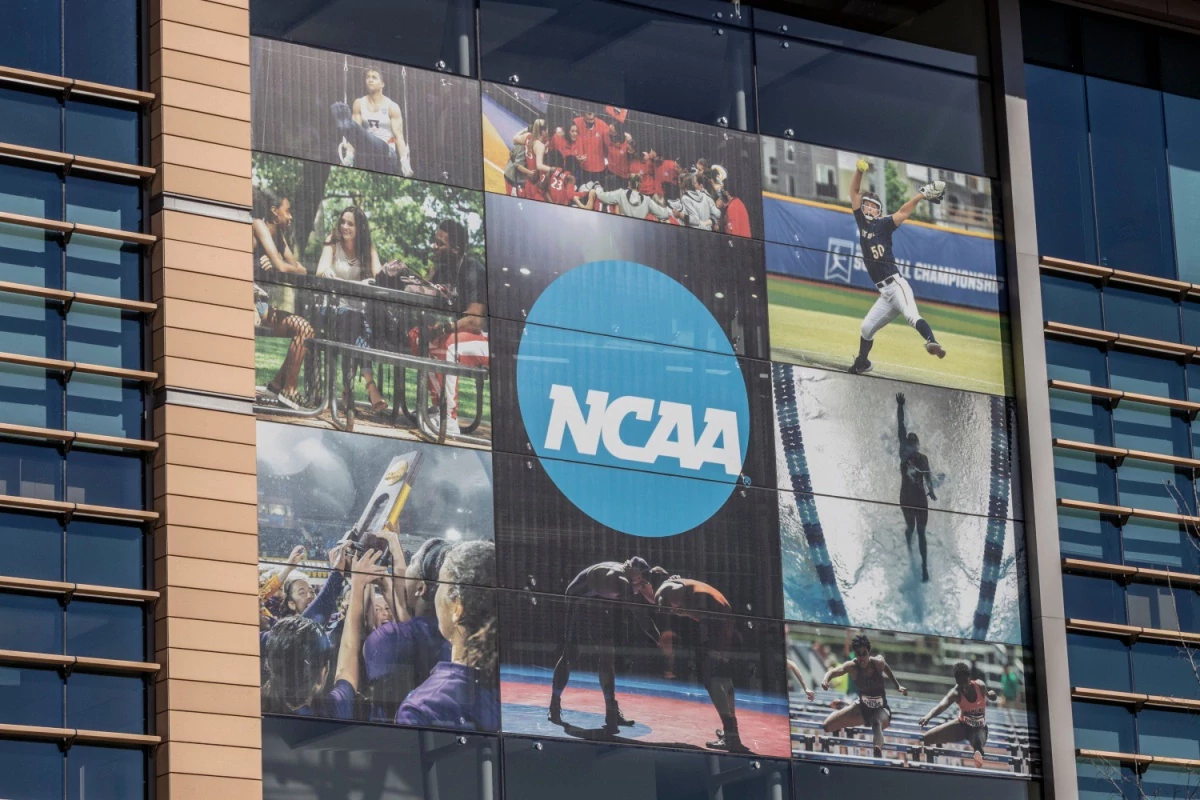
The NCAA is stepping up its efforts to protect college athletes from abusive sports bettors, joining the Bad Actor Program, an initiative started by Fanatics. This makes the NCAA the first sports governing body to publicly join this initiative. The program identifies individuals who threaten or harass athletes, coaches, and officials online. Participating sportsbooks can suspend or ban offenders.
The NCAA’s involvement expands the Bad Actor Program launched by Fanatics Sportsbook in June. Developed by Integrity Compliance 360 (IC360) and Signify Group, the initiative combines social media monitoring with investigative tools to identify individuals responsible for threatening or abusive behaviour.
Signify uses its Threat Matrix technology to monitor online harassment and investigate serious incidents. Information about identified offenders can then be shared through IC360’s Bad Actor platform, allowing participating sportsbooks to determine whether account restrictions or permanent bans are appropriate.
The NCAA’s participation in the Bad Actor Program builds on its existing partnership with Signify, which began in 2023. The organization already monitors harassment during NCAA events, but the new initiative creates another way to pursue consequences for individuals who target student-athletes.
NCAA President Charlie Baker welcomed the development, emphasizing the need for greater accountability when fans cross the line. The association hopes that connecting its monitoring efforts with sportsbook operators will discourage abusive behavior, particularly when harassment is motivated by losing bets.
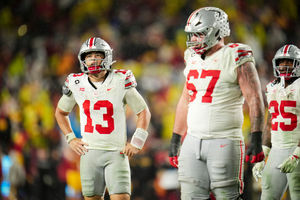
The NCAA’s decision follows several studies revealing the extent of online harassment directed at college athletes. Its 2024 research identified more than 5,000 verified abusive, discriminatory, or threatening social media posts targeting participants in championship events.
Sports betting was directly linked to 12% of those messages, with that figure rising to 19% in men’s basketball. One student-athlete received more than 1,400 abusive messages in less than two weeks, while women’s basketball players received approximately three times as many threats as their male counterparts.
The NCAA’s 2025 GOALS study revealed similar concerns among Division I men’s basketball players. Of those surveyed, 51% reported receiving social media abuse related to their athletic performance, while 46% said they had received negative or threatening messages from someone who bet on their game.
The problem has also drawn attention from players themselves. Duke guard Isaiah Evans raised concerns about harassment linked to college player prop bets, highlighting how individual betting markets can put student-athletes at risk.
The Bad Actor Program introduces another way for sportsbooks to respond to misconduct occurring outside their platforms. Rather than addressing only behavior within betting accounts, operators can consider evidence of threatening messages directed at athletes, coaches, and officials on social media.
However, the initiative does not automatically ban everyone identified through an investigation. Participating sportsbooks receive information about abusive behavior and can decide whether suspensions or account closures are warranted.
The NCAA has also introduced other protections in recent years, including a partnership with Venmo to address betting-related harassment through its payment platform. Its Draw the Line campaign has focused on educating fans about the consequences of targeting college athletes over sports betting.
The NCAA’s involvement in the Bad Actor program helps build on those efforts. Fanatics remains the first sportsbook partner in the Bad Actor Program, but the initiative is designed to accommodate additional operators. With the NCAA getting involved, perhaps more sportsbooks will participate.