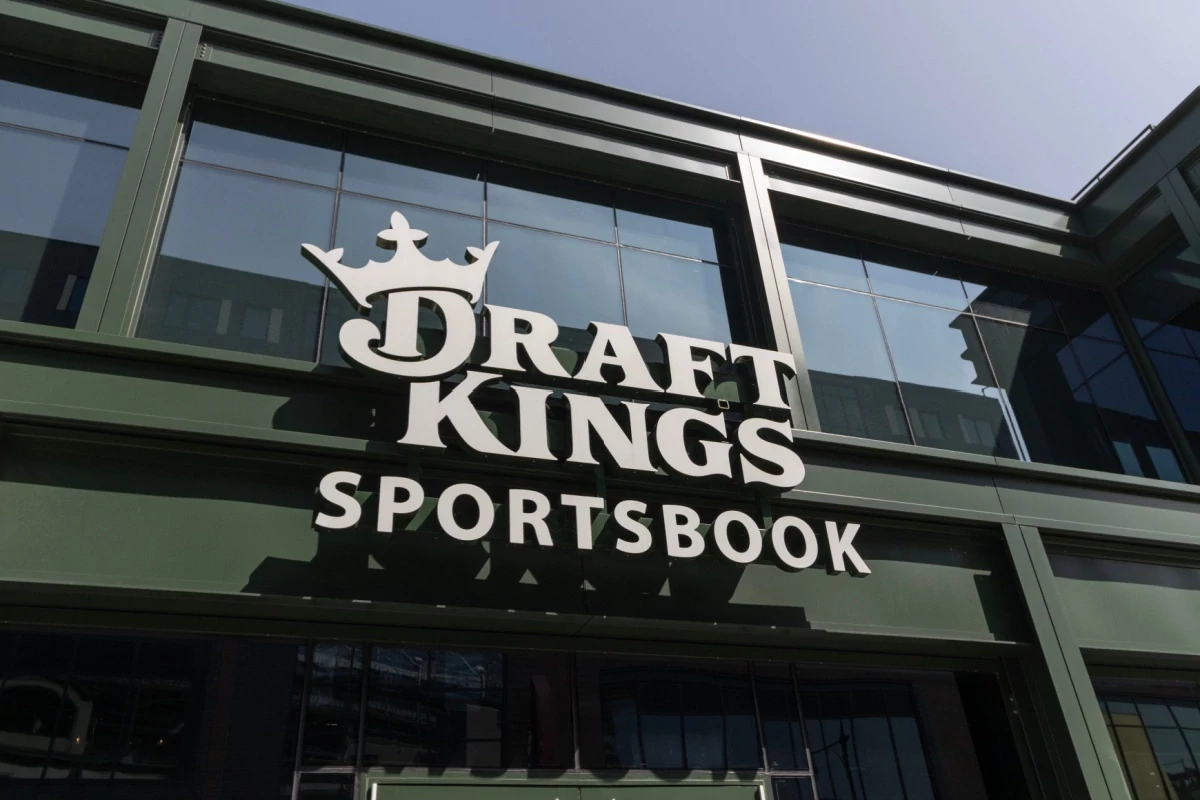
The Seminole Tribe of Florida has opened another significant front in the debate over sports prediction markets by suing DraftKings and CEO Jason Robins over products available to customers in the state.
The 72-page complaint, filed Oct. 8 in Broward County Circuit Court, alleges DraftKings is effectively conducting sports wagering without Florida authorization. The Tribe contends the company’s prediction markets and other sports offerings conflict with state law and the 2021 Gaming Compact that established the framework for legal sports betting in Florida.
At the center of the case is a disagreement over how DraftKings’ products should be classified. The Tribe argues certain offerings function as sports betting despite being presented as prediction markets or other products. DraftKings, meanwhile, says its prediction markets operate under the federal regulatory framework established by the Commodity Exchange Act.
The complaint also targets DraftKings Pick6. DraftKings describes Pick6 as a peer-to-peer fantasy sports game based on whether individual athletes record more or less than specified statistical totals. The company disputes the contention that the product should be treated as sports betting.
Florida’s sports betting structure differs considerably from open commercial markets such as New Jersey, Pennsylvania and Ohio. Under the 2021 Gaming Compact between Florida and the Seminole Tribe, the Tribe received exclusive rights to offer sports wagering in the state. Hard Rock Bet subsequently became Florida’s authorized online sports betting platform.
That arrangement has already survived major legal challenges. Litigation over the compact reached federal and state courts before efforts to overturn the framework ultimately fell short. The current dispute presents a different question, however, by focusing on products operating outside the traditional state-licensed sportsbook model.
The Seminole Tribe is seeking an injunction that would stop the challenged DraftKings activity in Florida. It is also asking for disgorgement of profits and other relief. The complaint states that recovered funds would be directed toward consumer protection and responsible gambling recovery programs.
The lawsuit arrives as prediction markets continue creating regulatory questions across the country. Sports event contracts can allow customers to take positions based on the results of sporting events, creating a product that can resemble conventional wagering even though operators may argue the contracts belong under a different federal regulatory structure.
That distinction is particularly important in Florida because DraftKings does not operate a state-authorized traditional sportsbook there. The Tribe alleges DraftKings’ offerings include markets resembling familiar betting options such as moneylines, spreads, totals and player-based outcomes.
Florida Gov. Ron DeSantis addressed the dispute shortly after the lawsuit was filed. He said he had not yet read the complaint, but indicated that the state’s compact contemplated the Seminole Tribe having authority over sports betting in Florida.
DraftKings has rejected the central claims in the lawsuit. A company spokesperson said its prediction markets operate in accordance with applicable law and the federal framework created by the Commodity Exchange Act.
The company also maintains that Pick6 is fantasy sports rather than sports wagering and has said it remains confident in its legal position. The allegations against DraftKings have not been proven in court.
The outcome could carry significance beyond the immediate dispute between DraftKings and the Seminole Tribe. The case places Florida’s existing sports betting compact alongside the emerging prediction-market model, potentially forcing a court to address where federally regulated event contracts end and state-regulated sports wagering begins.