This page highlights some of the best NFL trading cards available today. We’ll start with the most valuable slabs sold at auction, both modern and vintage. But a card’s desirability is about much more than money.
We’ll dig into the various factors that shape the appeal of collectibles, including designs, grading and wider fan appeal. These were certainly important considerations when we chose the best NFL cards to showcase on this page. However, our selections may – and probably will – differ in future, in line with wider, constantly changing card collecting trends.
If you ask three different collectors about the best NFL trading cards to buy, it wouldn’t be a surprise to hear three totally unique answers. But even though there are so many personal preferences involved, there’s universal agreement when it comes to certain cards.
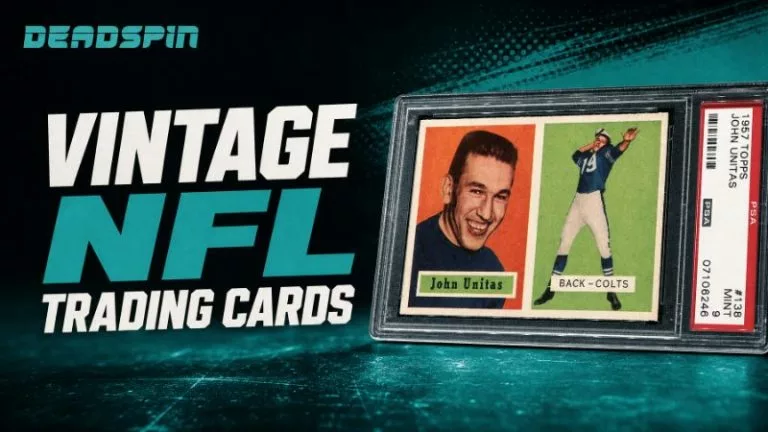
The 1930s to 1970s is the vintage era of NFL trading cards. These old-school slabs haven’t just survived the test of time with collectors. Much of their worth lies in the fact that they survived, period. It was much harder to preserve trading cards in those days, so those which remain tend to be rare – and therefore valuable.
Besides scarcity, vintage cards appeal for all kinds of reasons. Their charming designs and nostalgic appeal are just two reasons why collectors love them, never mind the fact that they’re legitimate historical artifacts.
Here are three of the best vintage NFL cards:
| Card | Number | Significance | Highest Sale |
|---|---|---|---|
| Johnny Unitas Rookie (1957 Topps) | #138 | True rookie of the Hall of Fame QB; flagship card of 1950s football. | $1.2 million |
| Jim Brown Rookie (1958 Topps) | #32 | Rookie card of the all‑time great RB; key late‑1950s vintage slab. | $720,000 |
| Bart Starr Rookie (1958 Topps) | #1 | Legendary Packers QB rookie card; iconic #1 in a vintage set. | $425,000 |
There’s no universal agreement on how to define the modern era of NFL cards. Some of the best trading card rip sites start with the early 1980s, but others say the 1990s. We’ll split the difference and take the mid-1980s onward.
This was a time when brand new collectibles were created, through intentionally small print runs and premium inserts. High-end brands like Playoff Contenders soon showed up, along with card grading companies like PSA, which had a positive impact on consumer trust and confidence.
Our three favorite modern trading cards are:
| Card | Number | Significance | Highest Sale |
|---|---|---|---|
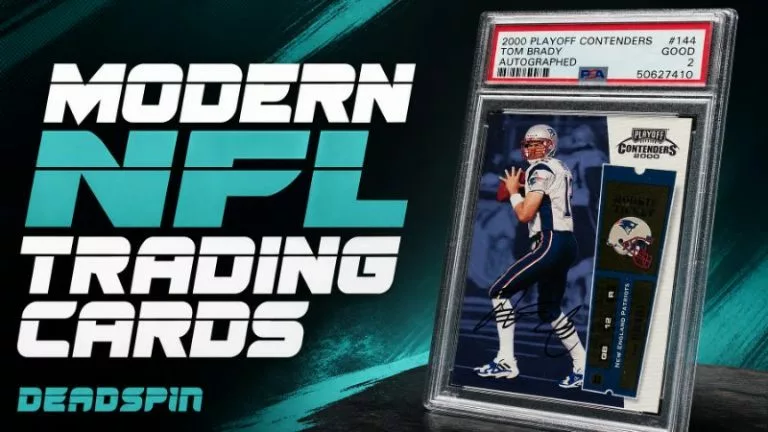
| Tom Brady Rookie Ticket Autograph (2000 Playoff Contenders) | #144 | The ultimate modern football grail; on‑card rookie autograph with “Rookie Ticket” designation. | $3.1 million |
| Jerry Rice Rookie (1986 Topps) | #161 | Rookie card of the NFL’s all‑time leading receiver; flagship of the 1986 Topps set. | $850,000 |
| Dan Marino Rookie (1984 Topps) | #123 | Iconic rookie of the Hall of Fame QB; cornerstone 1980s football card. | $725,000 |
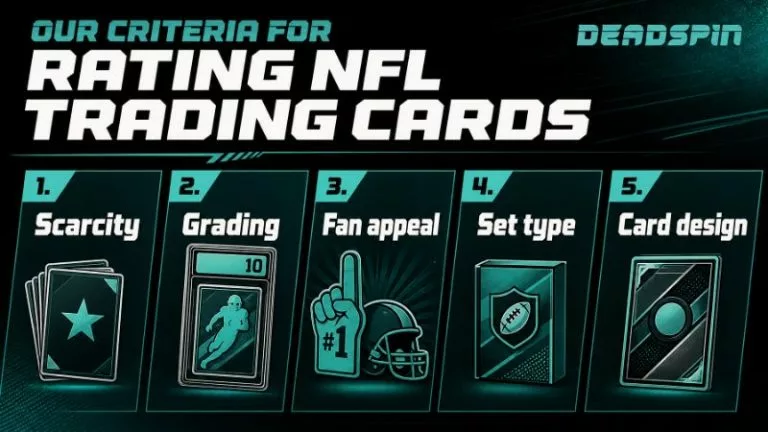
Honestly, there are dozens of factors to consider when judging football cards. But all of the best sites to rip sports cards agree that the following criteria are crucial. As such, we give them the most weight in our own rankings, which change from time to time.
Everyone’s looking for something different from their football card rips. Of course you’d love to pull the holy grail, and be the proud new owner of a card worth six, or even seven-figures. But for most people, it’s about so much more than that. What kind of collector are you?
If you’re a perfectionist, the pleasure of collecting probably comes from the satisfaction you get once you’ve completed a full set. It doesn’t really matter what your focus is – completion is the goal.
Buying full cases of factory-fresh cards is a good starting strategy for the completist. Then you only have to fill the gaps with rarer short prints.
It’s easy to see why people focus on rookie cards. Historically, they’ve often become the most valuable NFL card rips. True rookies have a fixed and finite supply. If that player becomes a star, there’s nothing but upside for collectors.
Look for early inserts from flagship sets like Prizm, Contenders and Donruss, as well as premium parallels – for example, Mahomes Prizm Silver.
Many collectors are drawn to the history and design of older cards, especially from the pre-1980s era. They prefer everything from the card’s texture, to the scarcity and prestige.
Vintage enthusiasts often focus on trying to find raw, ungraded cards that could be valuable. But a safer play is to buy graded rookie cards of well-known legends like Unitas and Montana.
These guys are only interested in one thing – their own team. They concentrate on sourcing local legends, rookies and star players, but only if those players represented their beloved franchise.
If that sounds like you, no advice is needed. Get as many of your favorite team’s cards as you can, and have fun doing it.
Collecting NFL cards may be a lucrative industry, but it’s born out of a simple hobby with entertainment at its heart. And there are lots of different ways to build a collection. It’s not all about targeting the most valuable slabs – though that’s hugely important to many, of course.
No matter what approach you take, there are loads of places to acquire NFL trading cards these days. However, card rip sites are an exciting new way to get involved in the hobby, with a fast-growing community.
Use the banners on this page to check out some of the best examples, all of which are trustworthy platforms.
Different cards appeal to different collectors and it depends what you’re trying to achieve. New collectors should probably focus on high grade rookie cards for modern greats, such as Patrick Mahomes. These are the most likely to increase in value as they age.
Any licensed and reputable retailer is a good starting point. Sites like Dave & Adam’s are great for shipping cases, while Steel City Collectibles and Cherry Collectables are ideal for individual NFL cards.
Yes, PSA, BGS and SGC graded cards are definitely worth the money. They prove the authenticity and quality of a card, greatly increasing its value.
Loading …