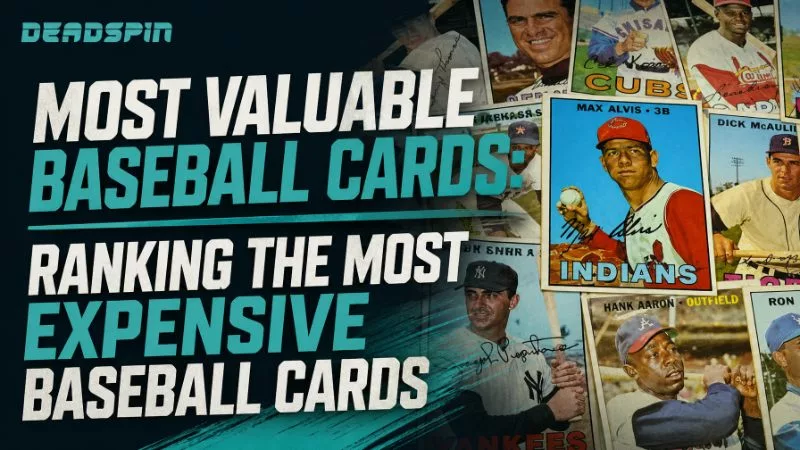
If you’ve ever wondered how to grade sports cards yourself, you’re in the right place. We see many collectors sending every shiny card they own to grading companies, only to realize later that not every card belongs in a slab.
Grading can protect your card, authenticate it, add more value, and make it easier to sell. But sending the wrong card can let you miss these opportunities. That’s why our guide explains everything you need to know about grading sports cards yourself. We’ll also show you the most sought-after sports cards and alternative ways to collect graded sports cards.
We can’t really give a definite answer about whether you should grade your sports cards. There are so many reasons why collectors may want to grade their sports cards. For us, grading completely changes how you look at a card.
Before grading, you’re basically just looking at a raw card. After grading, it’s the type of card many collectors proudly display alongside the rest of their collection.
So when considering how to grade sports cards, we think about the reason behind the submission first. Before shipping off every shiny card you have to grading companies, let’s talk about the ups and downs of grading. Here are the positives:
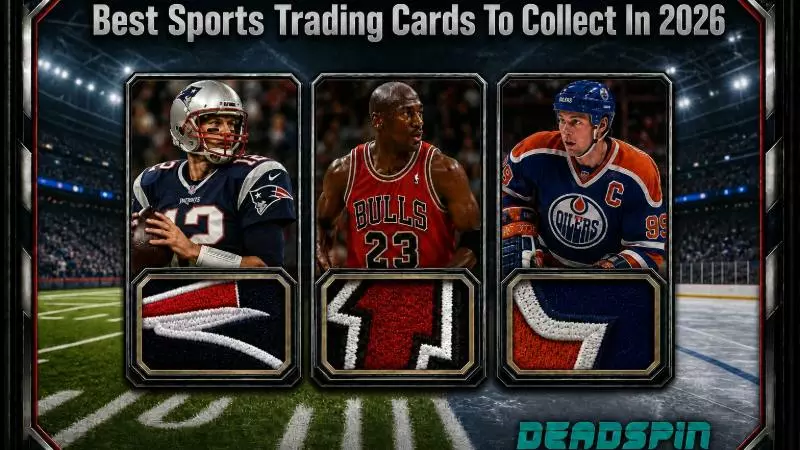
Higher resale price is probably one of the biggest reasons why collectors might grade their sports cards. At least that’s the case for us. We had sports cards featuring names like Michael Jordan, Tom Brady, Lionel Messi, and Kobe Bryant. From our experience, having iconic player cards can attract serious attention in high grades.
So, we considered grading some of them and truly got a nice bump in resale value. By submitting high-grade rookie cards, iconic players, vintage cards, and low-population parallels, you can significantly increase your return on investment if you sell them.
We’ve spent evenings reorganizing our graded sports cards. Trust us when we say there’s nothing more satisfying than seeing your favorite card sealed inside a clean case with its grade displayed at the top. If you’ve ever felt this way, then you’ll know exactly what we mean.
A professionally graded card is easier for buyers to evaluate. If you’re selling raw sports cards, the buyer has to trust your assessment of the condition. We’ve lost a couple of buyers having issues trusting our assessments right off the bat. But selling cards slabbed from reputable grading companies like PSA, SGC, or BGS gives potential buyers more confidence in the authenticity. It doesn’t always guarantee a sale, but it does remove doubts from the transaction.
Grading sports cards isn’t cheap, though it depends on the grading company and service you decide to use. You could spend anywhere from a modest fee to a substantial amount per card. Add that to shipping, insurance, and return postage, and your total cost can climb quickly before you know it.
Minus the cost, the waiting time is one of the worst parts of grading sports cards for us. Some grading companies can take weeks or months, especially in periods of high demand.
If thousands of copies of a sports card already exist in PSA 9-10, grading such cards won’t create the scarcity premium you might be hoping for. That’s why we consider grading cards with only a handful of top-grade examples.
If you’re trying to figure out how to grade sports cards yourself, we’d approach it as a screening process. Before submitting anything, these are the steps we take to ensure which trading cards are worth grading:
Identify the exact card
The first thing we do before worrying about conditions is knowing what sports card we have. It matters to us because two cards featuring the same player can have different values. This step comes in handy especially when you’re wondering how to grade football cards. As you know, a base rookie card isn’t the same as a numbered rookie parallel. So before any grading decision, we take our time to check our cards for the following:
Observing the card’s physical condition
We are quite meticulous when checking the physical condition of sports cards that we could potentially grade. Our first step here is examining the card’s surface. Then, we look at its centering, corners, edges, and signs of whitening, scratches, dents, roller marks, chipping, and fraying, especially when dealing with vintage cards. For this process, we use a magnifying tool to spot these damages and look at the cards from different angles under different lighting.
Compare the potential grade with recent sales
After inspecting a card, the next step for us is estimating its likely grade. Just be honest with yourself here and don’t grade with your heart to avoid disappointment when it’s back from the grading company. If you think the card is probably a PSA 8, look at what PSA 8 examples sell for. Next, compare that with PSA 9 and PSA 10 prices. Then ask yourself whether the grading cost is justified because at the end you have to decide yourself whether you’re comfortable taking the risk. This step right here is one of the most important lessons when learning how to grade sports cards yourself.
Check population reports
You don’t want to submit sports cards that have a high population in different grades. A card with a population of 10 PSA 10s is different from one with 10,000 PSA 10s. Low populations don’t automatically mean more valuable, but scarcity can become important when there’s a high demand. Follow our simple steps on how to grade sports cards yourself, and you can easily know whether you should submit them to the grading companies.
Now that you know how to grade sports cards yourself, let’s look at some of the most popular graded cards in sports:
| Card | Set | Ungraded Market Value | Graded Market Value | Grading Company | Reason for Selection |
|---|---|---|---|---|---|
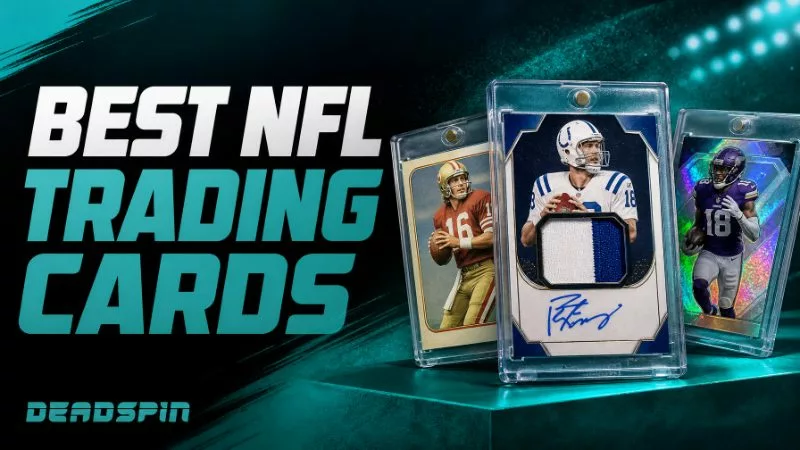
| Johnny Unitas #138 | 1957 Topps Football | $100–$500+ | $1,700–$8,600+ | PSA | One of the most sought-after vintage football cards and a major issue from the early Topps football era. |
| Russell Wilson #230 | 2012 Panini Prizm Football | $10–$30+ | $100–$300+ | PSA | Top modern rookie card from the highly collected Panini Prizm brand. |
| Michael Jordan #57 | 1986 Fleer Basketball | $1,000+ | $42,850+ | PSA | One of the most recognizable basketball rookie cards ever produced. |
There are three main routes we take to get our hands on sports graded cards. Let’s look at each of them below:
You can submit your own cards for grading as we do. We’ve shown you how to grade sports cards yourself, so it shouldn’t be much of a problem. Just submit your selected cards to a reliable grading company and wait for the result.
Personally, the thought of not knowing what grade your card becomes is what makes it exciting for us. Though we’ve also suffered our share of disappointments with our cards coming back as a lower grade. Here are some of the pros and cons we’ve experienced with this option:
Another way we get graded trading cards and sports cards is by buying them. You can easily get already graded cards from auctions, and card rip or break sites. This option eliminates the mystery of not knowing the grade you get from personal submissions. Here are the pros and cons:
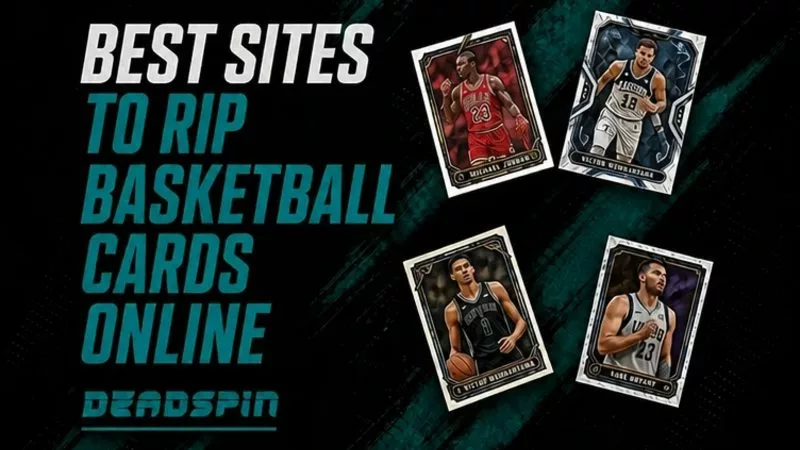
Participating in sports card rips is now part of the modern collecting experience. We enjoy it because those few seconds before the card is revealed are what keep us coming back for another rip. You buy boxes or cases from card rip sites in hopes of receiving graded sports cards you desire. Plus, every opening on these sites is random and fair thanks to blockchain technology.
If you’re interested in collecting graded cards via this method, check out our on-page banners for some of the best card rip sites. Please compare the options available first before choosing where to participate.
Here are the ups and downs:
It does take time and effort to grade your sports cards yourself properly. But if you follow our steps on how to grade sports cards yourself, you’ll be able to know which cards you want to submit. That way, you can avoid potential losses from grading and shipping costs, as well as long wait times.
Begin by knowing the cards you want to grade and checking the physical condition. Then, compare them with recent sales and check population reports to know if you should still go ahead. If these steps seem like more work than you’d like, buying an already graded copy is another good way to build a collection. Or, click the on-page banners to visit top card rip sites and hopefully pull a graded card you desire.
We’ve detailed our grading process on this page; you can follow the steps to learn how to grade sports cards yourself.
Some of the most sought-after graded sports cards we’ve seen are Johnny Unitas #138, Michael Jordan #57, and Russell Wilson #230.
Yes, you’ll find graded sports cards from the featured card rip sites on this page. Available options differ from site to site, so confirm first before purchasing.
Loading …