Baseball collectibles are some of the most popular and valuable within the sports trading sector, and we have taken some time to take a closer look at the most expensive baseball cards within the hobby today.
Names like Mickey Mantle, Honus Wagner, and Aaron Judge won’t come as much of a surprise for serious baseball fans, but how much are these grails actually worth? We break this all down for you, explaining where to find these figures, why these cards reach such values, and even offer top tips to get you started with your own collection.
Let us kick this one off with a quick table that covers all the important stats of some of baseball’s most expensive cards to date.
| Rank | Card | Card # | Set | Graded Value |
|---|---|---|---|---|
| 1 | Mickey Mantle | 311 | 1952 Topps | $11.4 million (PSA 10) |
| 2 | Honus Wagner | N/A | American Tobacco Company (T206) | $8.6 million (PSA 10) |
| 3 | Babe Ruth | N/A | Baltimore News | $7.6 million (SGC VG3) |
| 4 | Draft Pick Aaron Judge (Superfractor Autograph) | 1/1 | 2013 Bowman Chrome | $5.2 million (BGS 9.5) |
| 5 | Babe Ruth | 53 | 1933 Goudey | $5 million (PSA 9) |
As you can see, there are some pretty impressive price tags attached to these cards, but what makes them so special? We have broken things down further in this section, focusing on the stories behind these iconic pieces.
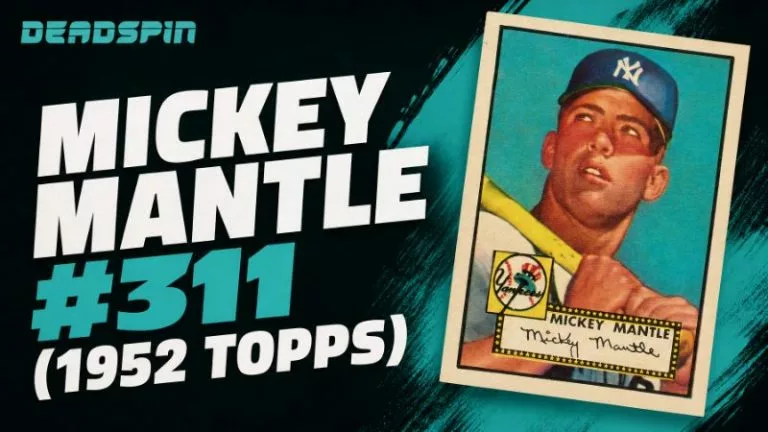
The most expensive card by a landslide is the Mickey Mantle #311 from the 1952 Topps collection. Often, we find that rookie cards steal the show, but this is actually a slightly later release. The 1952 Topps set is considered to have revolutionized the sports card collecting hobby, providing larger cards, full team stats, and team logos – much like we see to this day. The card itself was subject to low print runs, and a full warehouse dump in the Hudson River ensured that all remained limited.
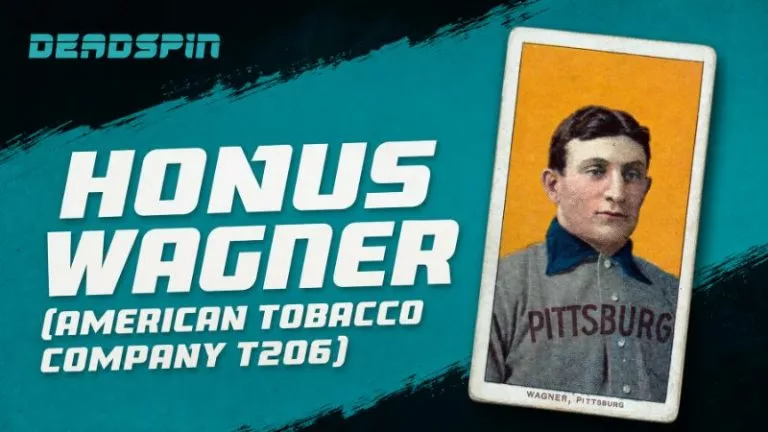
Flying into second place, we have The Flying Dutchman himself. Honus Wagner is considered one of baseball’s GOATs, and it is no surprise that this particular card has such weight behind it. Approximately 50 to 200 of these cards were printed before Wagner put a stop to the American Tobacco Company publishing it further. Since 1909, we suspect that this card has been traded many times, and we know that at one point it even ended up in the hands of Wayne Gretzky.
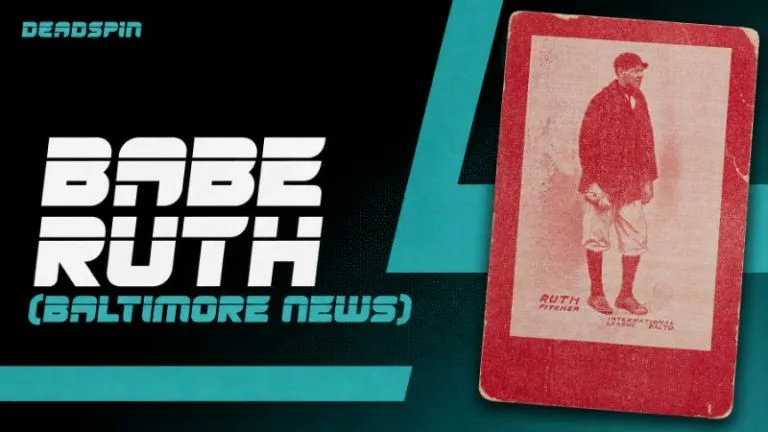
Up next, we have the first of two Babe Ruth cards to make this list. This specific card from 1914 has fewer than 10 known copies, making it an extremely rare collector’s item. It showcases Ruth as a pitcher for the Baltimore Orioles, and it has their schedule printed on the back. Although he later gained the nickname The Sultan of Swat, it was first his arm that impressed the scouts, so having Ruth as a Pitcher is also quite a unique element to the card. As mentioned, there are just 10 known copies, and most are of low quality, which is why we believe this has such an impressive price tag.
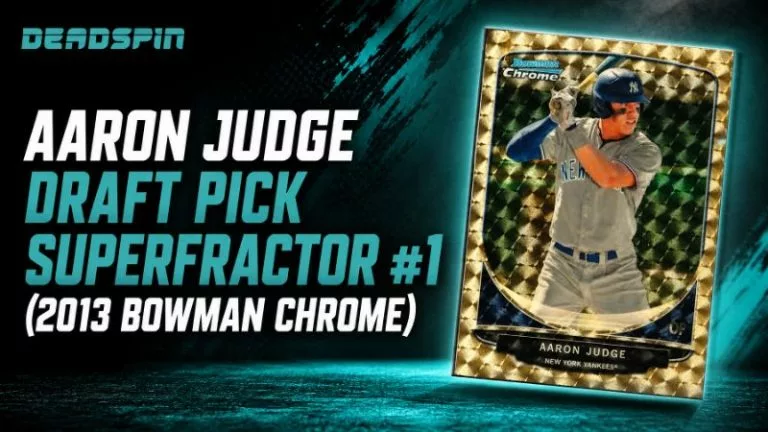
So far as modern-era MLB card rips go, this could be the holy grail. This one-of-one Draft Pick Superfractor of Aaron Judge has superseded that of Mike Trout’s 2009 Superfractor rather convincingly, taking the previous record for modern-day grails up to $5.2 million from $3.96 million. The card itself features an authentic on-card autograph from Aaron Judge during his earlier days with the Yankees.
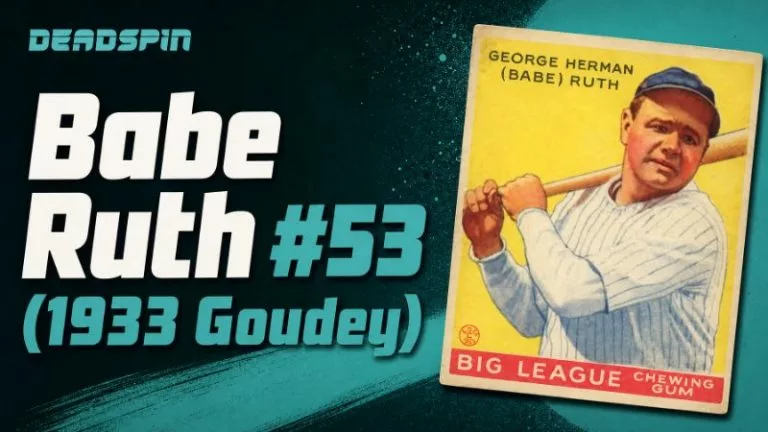
To finish, we head back to Babe Ruth. This time, however, we are looking at the #53 card from the 1933 Goudey set that came much closer to the end of his career. This card is just one of four that feature in this set, and marked a move into the big three status for the Goudey Gum Company. Although limited in number, we have seen baseball card rips feature lower-grade variations, but a PSA 9 will set you back more than $5 million.
With the most expensive baseball cards now covered, we want to share where we gathered our insights from and how we conjured up this list.
Before we bring this one to a close, let us quickly provide you with some top tips to help you get started. While many will be interested in the higher value baseball cards, they won’t be accessible to all. So, why not consider these tips to get you started?
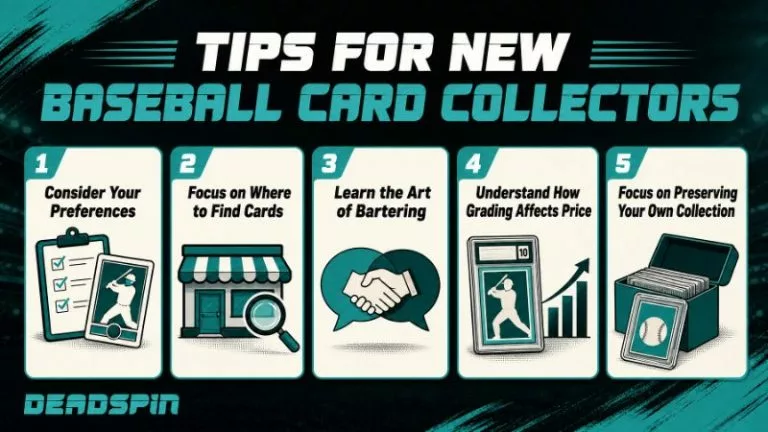
This one may feel a little obvious, but it is important to consider your own preferences before getting started. Many can get carried away searching for grails and other valuable baseball cards, but the great thing about collecting is that you can do it in your own way. Some collect players, teams, or cards from a certain era.
When you have figured out what you wish to collect, it is worth considering where you can find them. We are sure you have already seen videos of vendors and card shows, or even made purchases at the local store or online. However, you will also find card rip sites are available, offering you the chance to rip on-site packs that tend to feature the potential to land grails.
Whether at a card show or card rip site marketplace, you need to learn to barter. Most vendors will take cards in at between 60% and 90% with the aim of making profit on the resale. We would suggest going in at 90% of the value, rather than simply buying at 100% outright. The back and forth is all part of the fun, and an expected part of the process.
When you get your cards, don’t automatically assume that getting them graded is the way to go. Grading costs money, and it won’t automatically bump up the value of your MLB or college baseball cards. In fact, modern-day cards tend to only receive a boost from PSA 8 onwards, with vintage working slightly differently based on scarcity and other factors.
The biggest mistake new collectors make is not having the correct tools to look after their most recent pulls. A simple purchase of sleeves, toploaders, and a binder is crucial to keeping your cards in the best condition possible. These are some of the most important purchases you’ll make, and you are best to stock up before making your first purchase. After all, there could be a valuable baseball card inside.
That covers the most expensive baseball cards across the hobby. Now, all that remains is to decide on your next move. Are you on the hunt for cards of this caliber? Those similar that remain ungraded? Or, do you like the idea of building your collection around something else?
However you decide to collect baseball cards, you’ll find value in our top tips and ranking process. You can take this newfound information away with you, checking out card shows, online stores, and card rip sites to start bringing your collection to life. We also plan to keep these rankings updated. So, if higher-end cards are in your sights, be sure to check back for more.
The Mickey Mantle #311 (1952 Topps) is the most iconic card in all of sports, not just baseball. The set signified a huge change for baseball card collections, showcasing players, stats, and team logos, similar to today. When coupled with such limited copies, it isn’t all too surprising to see that a PSA 10 is now worth more than $11 million.
Baseball cards can rise in price for various reasons. Most commonly, this occurs through player popularity, significance, impact on the sport, and career longevity. Of course, scarcity and grading can impact things, too.
We can’t really answer this one, as collecting is a deeply personal thing. Some of you may stick to your own team, favorite players, or something completely different. That said, for long-term returns, rookie cards are the way to go.
Loading …