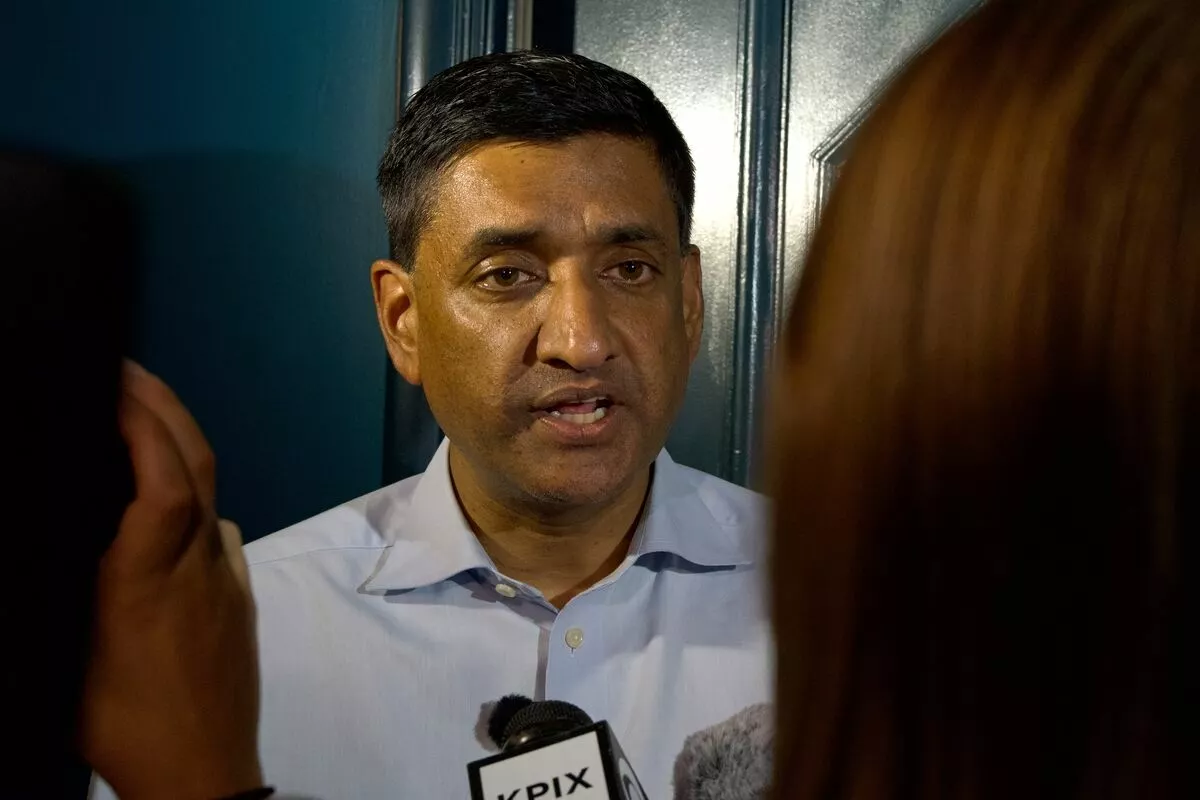
Early Tuesday morning, California Representative Ro Khanna explained why prediction market sports contracts should be outlawed on a nationwide level. The former Stanford University professor’s take on federally regulated prediction market apps mirrors what has been relayed by numerous high-profile Democrats following the party’s historic midterm election victories.
“Sports prediction markets are sports betting disguised as financial trading,” said Khanna on Tuesday. “They flout state and tribal gambling laws, siphon state tax revenues, fuel addiction, and expose young Americans to public health risks while evading state consumer safeguards. Congress must ban them.”
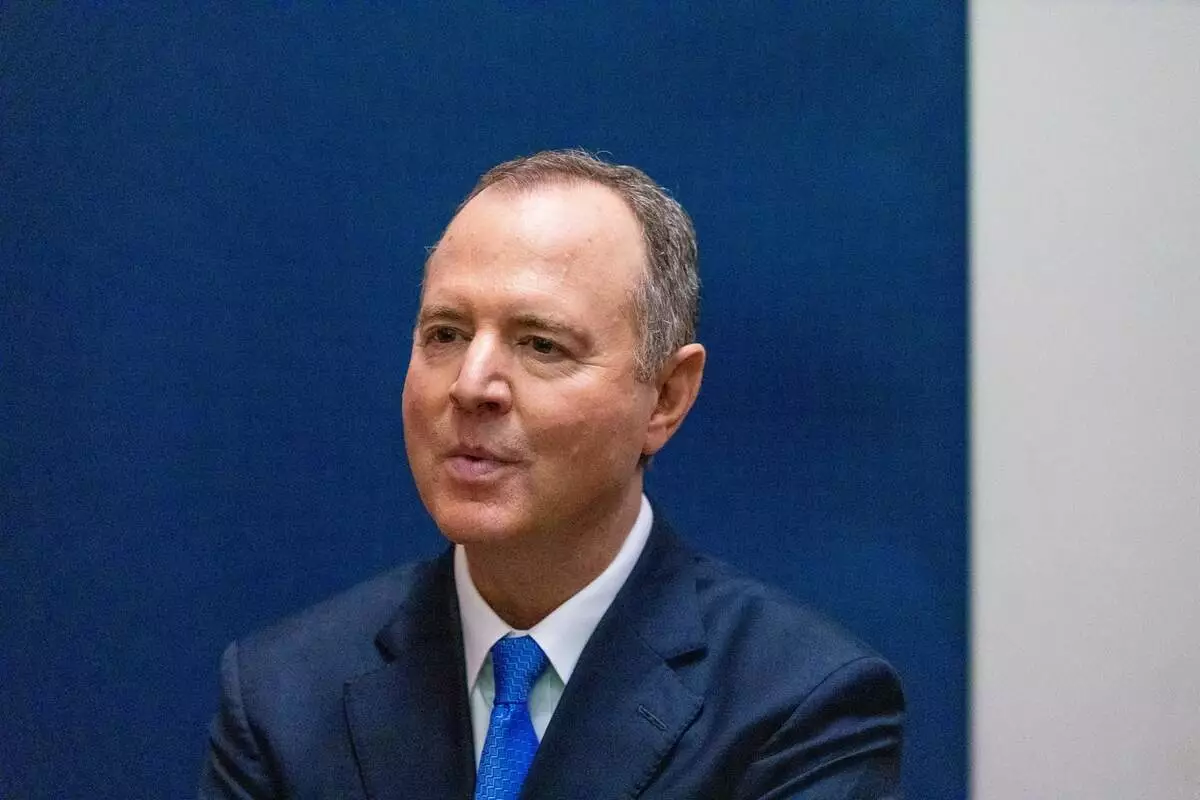
Late last week, in a direct response to CFTC Chairman Michael Selig, California Senator Adam Schiff accused the federal government of “violating state law and tribal sovereignty.” Although Schiff’s thoughts on prediction markets’ use of event contracts to allow traders to place real-money predictions on sports outcomes aren’t new, they reflect growing criticism of the industry among Democratic congressional leaders.
Senate Banking Committee Chair Elizabeth Warren has also upped her opposition to prediction markets since the November 3rd midterms. On Monday, an article published by The Block provided commentary from a staff member for the Massachusetts senator that hinted at increased scrutiny of prediction market contracts in the coming congressional term.
Casual observers who follow prediction market news may wonder exactly why prediction markets (along with the CFTC) have aggressively fought to maintain federal regulation over sports contracts throughout the country. The answer is simple: sports trading makes up approximately 80% of all volume for CFTC-regulated exchanges like Kalshi, Polymarket US, and DraftKings Predictions.
In fact, the Novig prediction market platform is 100% based on sports outcomes (meaning it doesn’t offer event contracts on other categories such as politics or entertainment). A negative, future Supreme Court ruling on the fate of sports contracts (or a congressional mandate to ban them) would devastate the industry due to the billions in trading volume that would disappear overnight on major exchanges.
A slide contained within DraftKings’ Q3 2026 earnings presentation showed the acute impact that a ban on sports contracts would have on exchanges’ ability to recoup new customer acquisition costs. Without sports contracts, most prediction markets would lose a massive liquidity base that is unrivaled by other trading categories. And without federal CFTC oversight, the platforms are susceptible to state and tribal enforcement that has already resulted in sports contracts being geo-restricted in select jurisdictions (like Nevada and Michigan).
Gauging overall congressional intent to ban prediction market sports contracts is difficult at the moment. However, on January 3rd, new members of Congress will be sworn in.
Therefore, it is expected that new legislative proposals to remove prediction market sports contracts will emerge early next year. Once those proposals have been submitted by members of Congress, the exact language can be evaluated and support from other representatives and senators can be more accurately measured.
Until then, prediction market sports contracts are the core business model for exchanges that legally operate within the United States.
Loading …