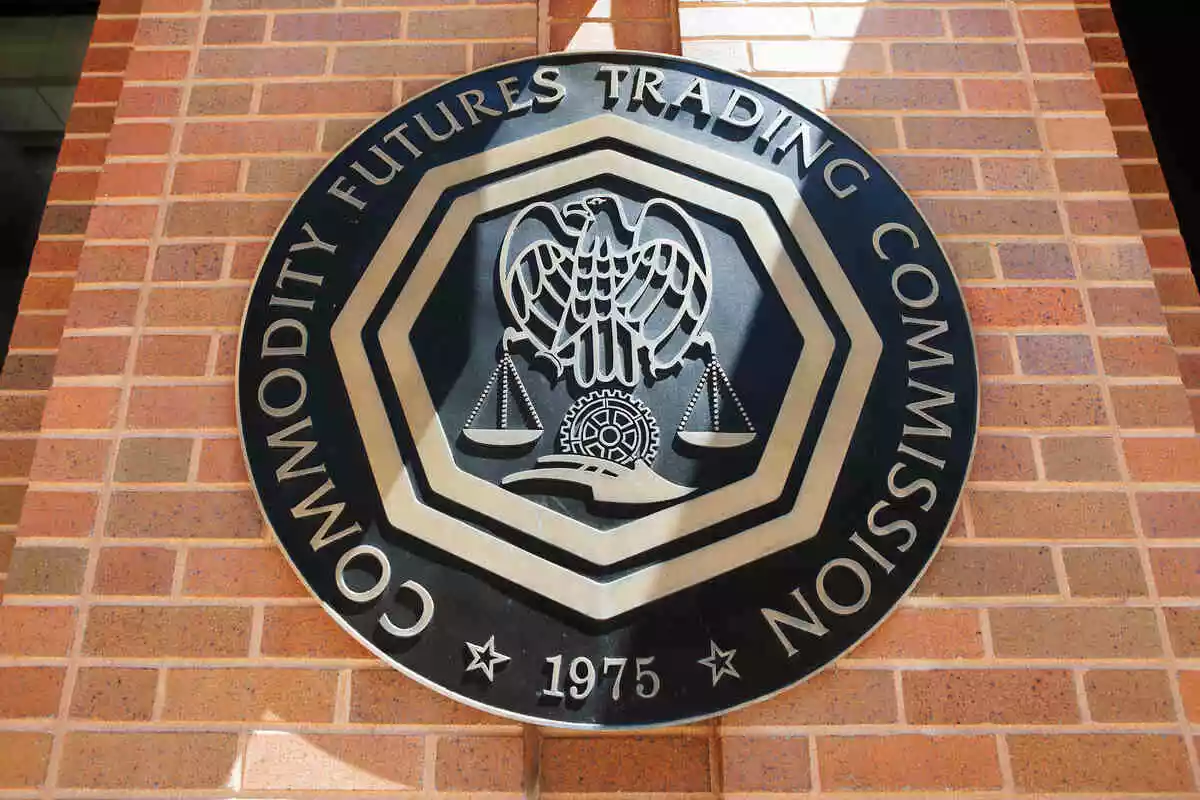
Late Friday afternoon Eastern Time, the CFTC released its Interim Final Rule (IFR) which formally prohibits “casino-style gambling” from regulated prediction markets. The formal prohibition will apply to the federal agency’s definition of the term “swap,” which the CFTC uses to define prediction market products such as sports contracts and 15-minute markets.
“Casino-style gambling products are not derivatives,” said CFTC Chairman Mike Selig in a social media post uploaded on October 9th. “Today, the CFTC is providing clarity regarding the limits of our remit by codifying the exclusion of casino-style gambling products from the ‘swap’ definition just as we have done with respect to other products historically regulated by the states.”
The Interim Final Rule published on Friday takes effect immediately, but still allows for a 30-day public comment period.
DOWNLOAD & READ: CFTC Interim Final Rule RIN 3038-AF81 (October 9th, 2026)
Despite the wording of the CFTC’s most recent rule, prediction market detractors will likely be disappointed by the fact that the further definition of a “swap” to exclude “casino-style gambling” won’t apply to most sports contracts and 15-minute markets.
On the contrary, the IFR is seen by some legal experts and industry observers as a maneuver to protect sports, politics, and culture contracts by solidifying them as legal prediction market products while drawing a clear distinction between federally regulated “swaps” and state-licensed “bets.” The official text contained within RIN 3038-AF81 takes aim at recent rulings issued by the Ninth Circuit and Sixth Circuit Courts of Appeals, which have threatened federally regulated prediction markets inside those corresponding jurisdictions.
“To address this misunderstanding, this Interim Final Rule affirms and codifies the Commission’s longstanding position that casino-style gambling products, including sports-wagering contracts entered into on a sportsbook and casino games, are not swaps and do not fall within the CFTC’s jurisdiction,” according to page 9 of the IFR. “This action is intended to remove regulatory ambiguity and clarify the boundaries between the Commission’s jurisdiction over the derivatives markets and State and Tribal jurisdiction over casino-style gambling.”
The highly anticipated RIN 3038-AF82 (which will apply specifically to prediction market sports contracts) is still pending. That rule proposal is expected to be released by the CFTC before the end of the year. Unlike the IFR that was published on Friday, the CFTC rule proposal for sports contracts won’t go into effect immediately. It will also come with its own public comment period.
Although CFTC-regulated prediction markets like Kalshi, Underdog, and Polymarket US are technically legal in all 50 states, state and tribal gaming challenges to sports contracts have resulted in Kalshi geofencing its most popular products in multiple states. As of mid-October, customers in Massachusetts, Michigan, Washington, and Nevada are unable to access Kalshi sports-based event contracts.
Ultimately, one or more prediction market cases could be taken up by the Supreme Court at some point in 2027. A potential settlement between prediction exchanges and states (or tribes) is seen as highly unlikely. This makes SCOTUS the most probable venue for deciding whether sports event contracts are truly “swaps” that are protected by the CFTC’s claim of “exclusive jurisdiction” over prediction markets.
Loading …