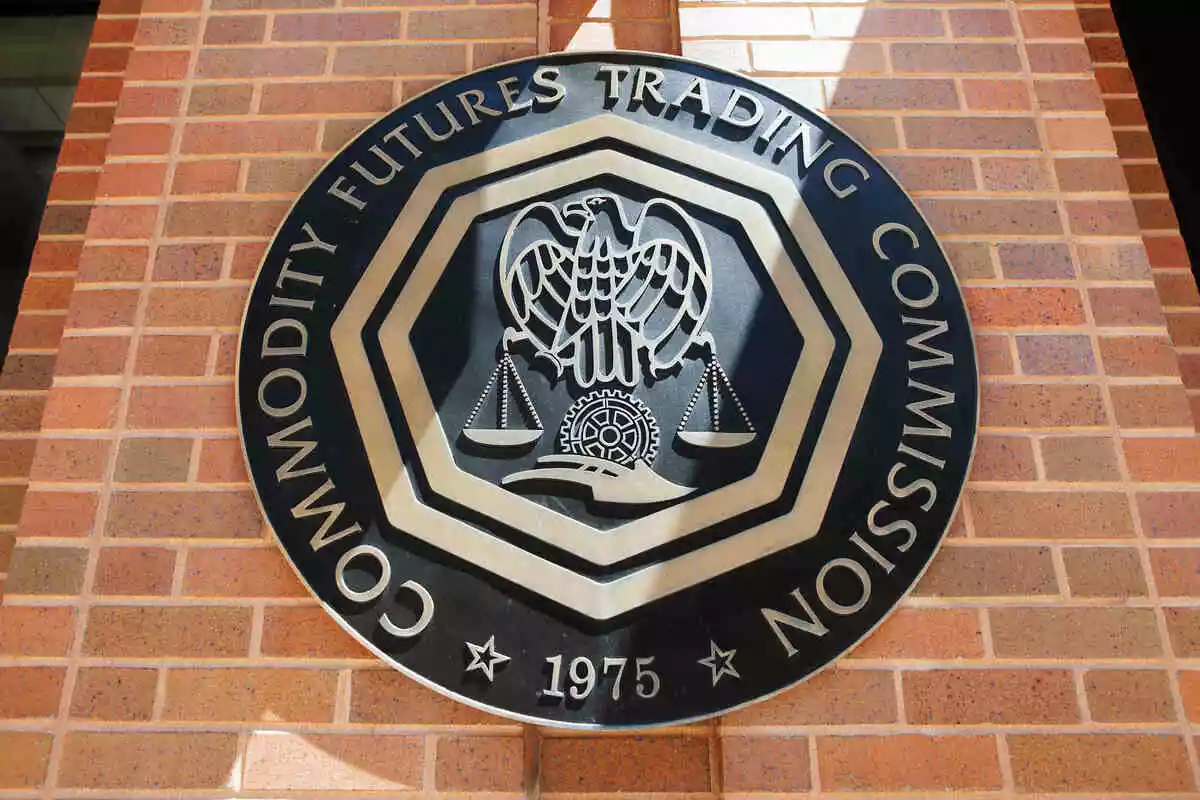
On Thursday, the Commodity Futures Trading Commission (CFTC) ordered prediction market DCMs to lift state-based geo-blocks on sports and other event contracts within 30 days. If prediction markets such as Kalshi choose to comply with the new mandate, the exchange’s full range of products (including sports contracts) could once again become available in Michigan, Washington, Massachusetts, and Nevada.
In a social media post uploaded Thursday afternoon, CFTC Chairman Mike Selig wrote:
“Derivatives markets must operate on a uniform basis on a national scale in order to achieve the purposes set out in the Commodity Exchange Act. Geographic access restrictions undermine the national uniformity and consistency that the Act is intended to facilitate. Today’s interpretative guidance ensures that exchanges provide competitive, open, fair, and impartial access to their members pursuant to CFTC regulations.”
READ: CFTC Press Release on Impartial DCM Access Guidelines (November 5th, 2026)
On its surface, the federal government’s interpretation of the CEA’s “Impartial Access Requirements” places high-profile prediction markets like Kalshi in an impossible predicament:
However, the CFTC appears to have granted some wiggle room in its most recent communication. According to the official press release, prediction markets that decide not to lift state geo-restrictions by December 5th can submit an explanation to the CFTC’s Division of Market Oversight for consideration.
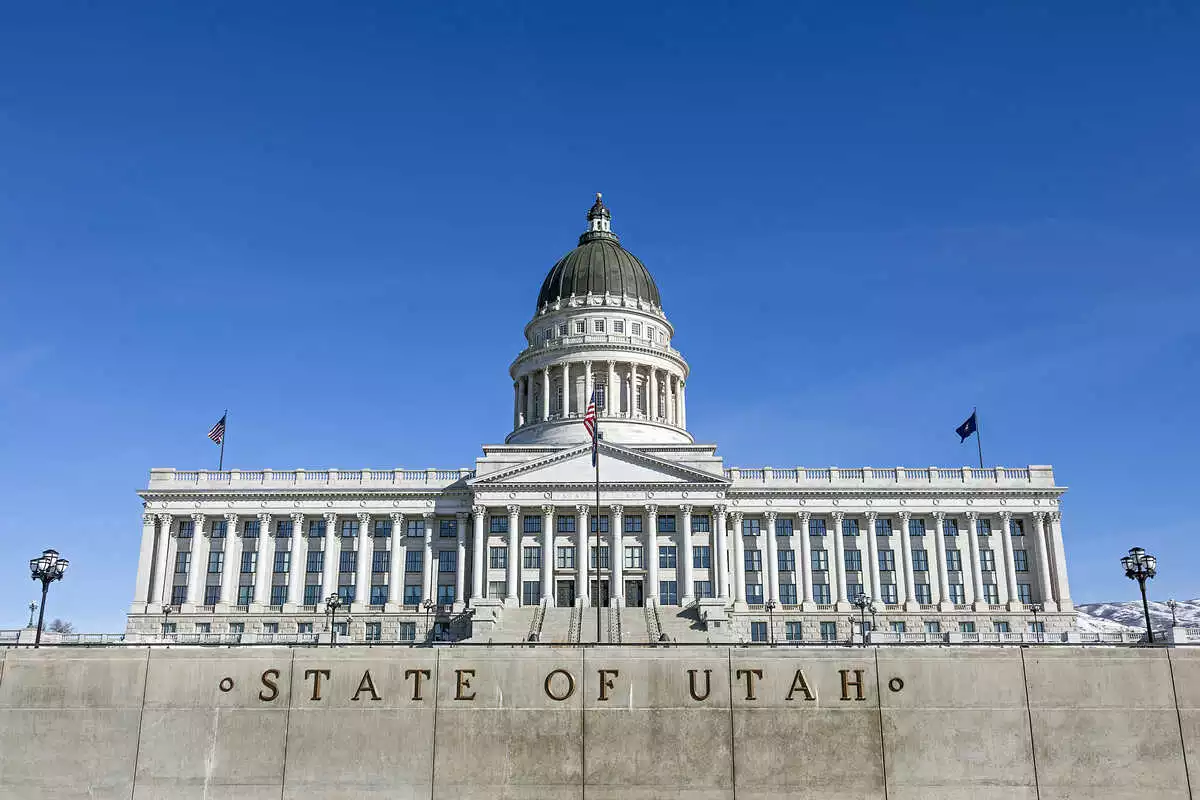
According to the federal government, prediction markets are legal in all 50 states. But multiple jurisdictions have fought for (and received) favorable state-court rulings against Kalshi and other prediction exchanges. Those court-issued mandates (upheld or simply not overturned by federal courts) have allowed states to enforce their own gambling laws against prediction market sports contracts, despite their technical categorization as federally regulated derivatives.
But lifting geo-restrictions, particularly in Michigan where the exchange’s sports contracts are no longer available, could cost Kalshi a lot of money. On September 1st, state court Judge Rosemarie Aquilina issued a ruling that said Kalshi “shall pay a fine of $500,000 per day for each day that the Court finds Kalshi did not comply with the geolocation requirements of this order” (page 4).
If recent history is any indicator, Kalshi may opt to maintain its sports-contract geo-block in Michigan. Back in July, the CFTC invoked “emergency authority” to bar Kalshi from cancelling event contracts that were held by users in Michigan.
But the order was ultimately ignored.
“We already acted and unwound the trades, as the Michigan court order required us to do,” posted Kalshi’s head of enforcement Robert J. DeNault a few hours after the CFTC publicly announced its emergency authority. “We are being put in an impossible position, looking to follow state court orders that may contradict our federal regulatory obligations. We did not have a choice.”
Loading …