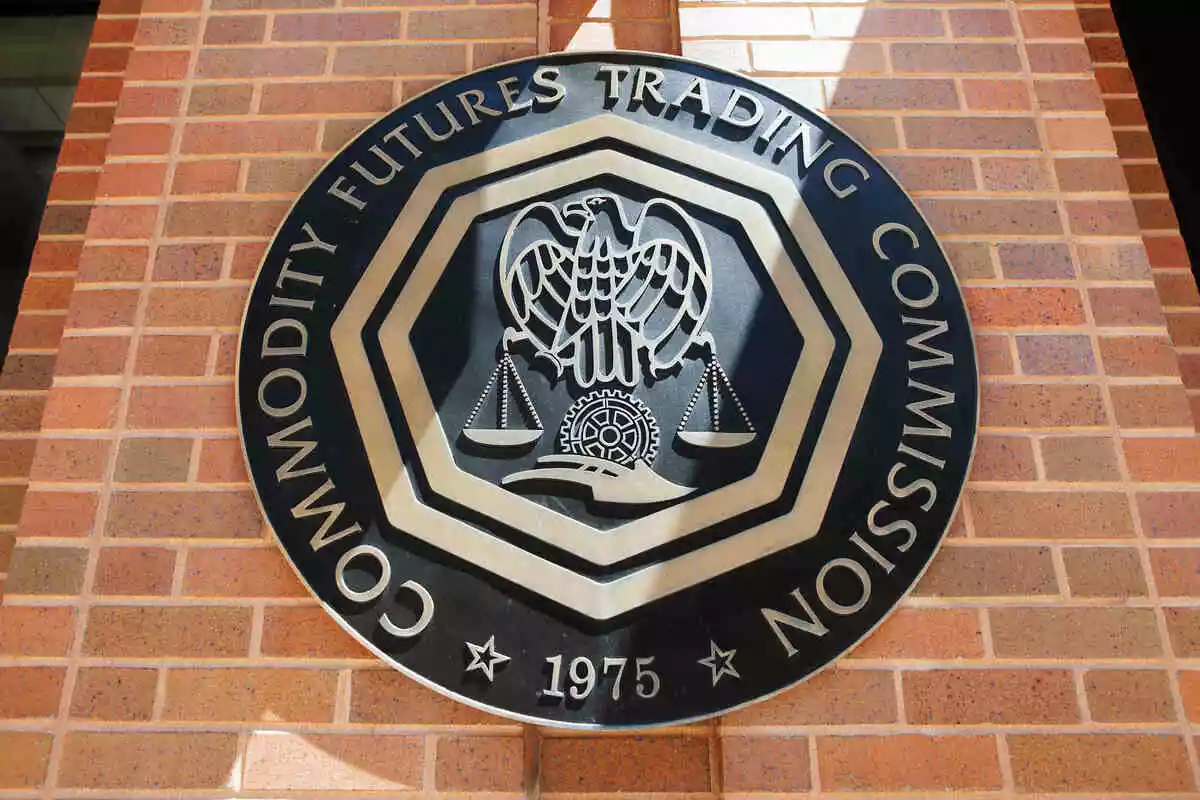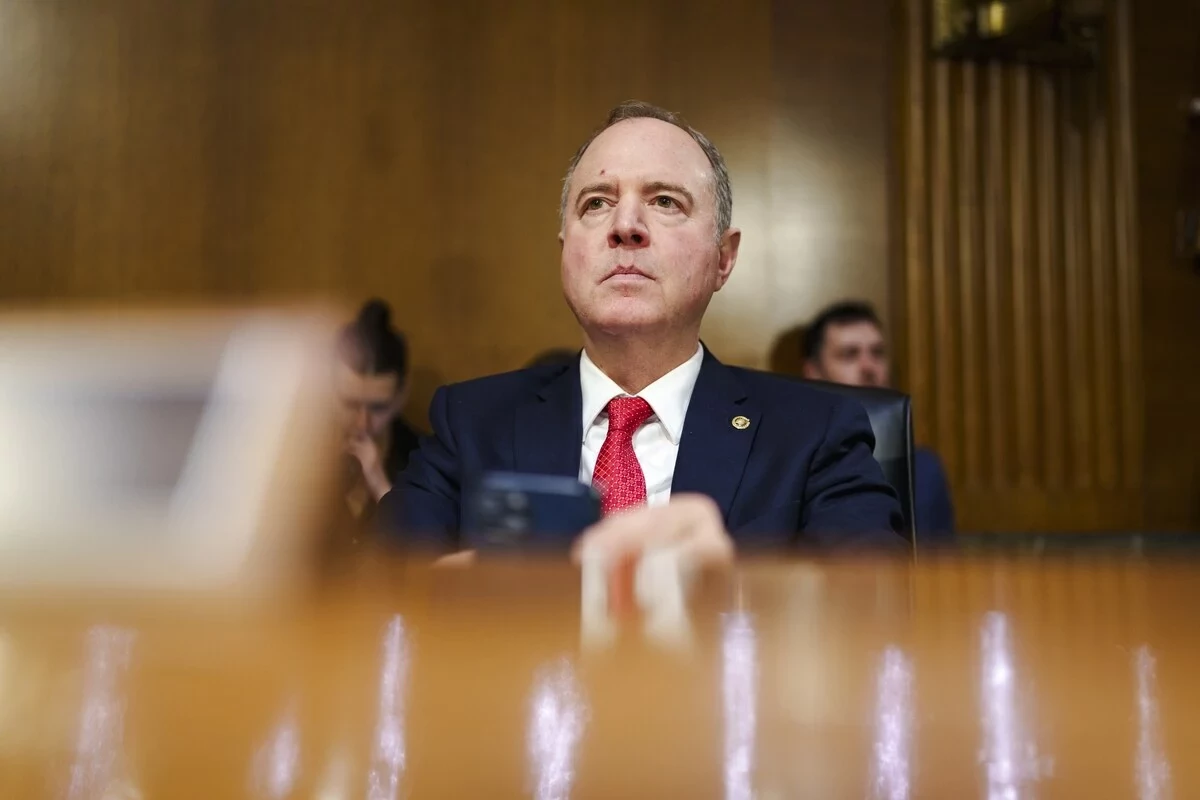
An exclusive report by the Wall Street Journal on Monday revealed that nine Democratic senators have sent a letter to CFTC Chairman Mike Selig, requesting that the federal agency cease its “exclusive jurisdiction” claim over prediction markets.
Citing state gambling laws, tribal sovereignty, and active court orders, the group demanded that the CFTC lift its November 5th restriction that prohibits authorized exchanges from complying with existing court rulings to geo-restrict certain event contracts.
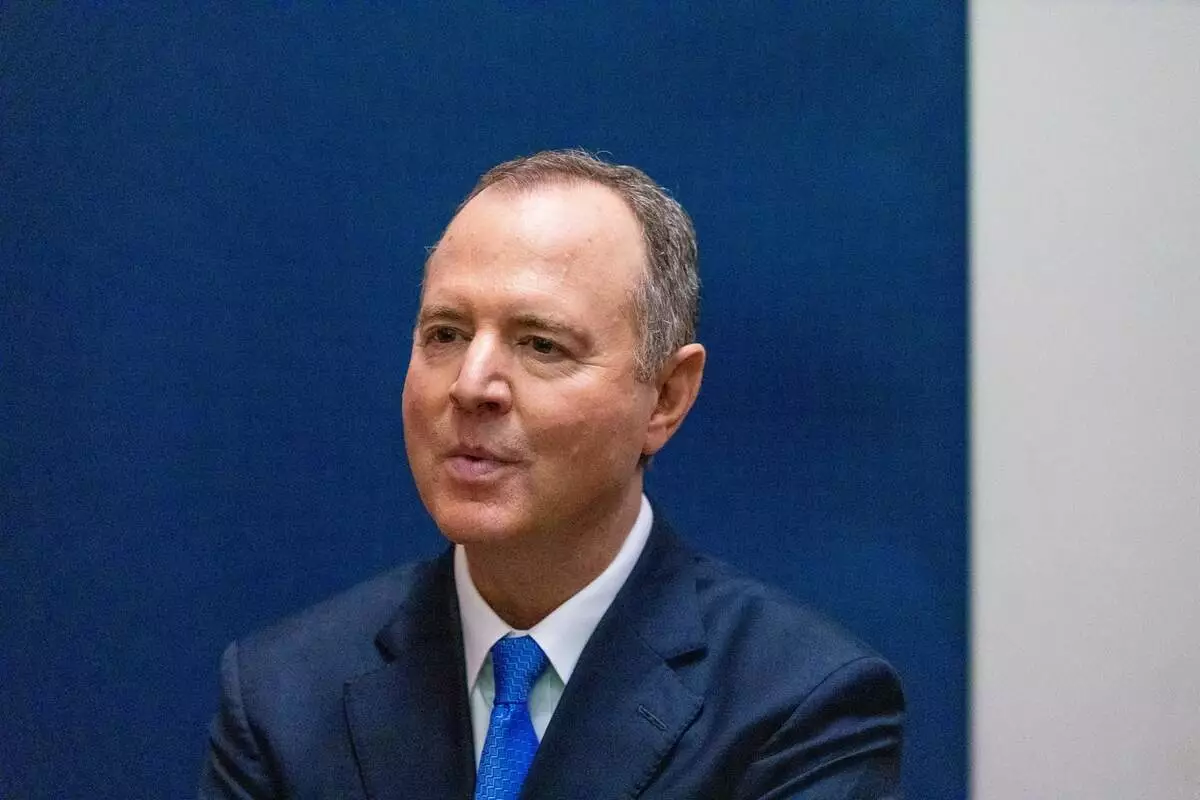
“The CFTC wants prediction markets to offer contracts in all 50 states and Tribal lands – in violation of state and federal law, court orders, and Tribal sovereignty,” posted California Senator Adam Schiff on Monday. “I’m leading my Senate colleagues in demanding that Chairman Selig reverse this lawless decision.”
The letter sent to the CFTC makes two specific demands:
The letter itself contains no legislative proposal and has zero bearing on a potential full-floor Senate vote. However, it represents another serious threat to the federal regulatory “cover” that legal prediction exchanges have enjoyed from state enforcement throughout 2026.
Individual states have steadily chipped away at the legal arguments presented by Kalshi and other platforms, which claim that event contracts are financial products under the Commodity Exchange Act (CEA). Currently, a federal appeals court “split” exists among the Third, Sixth, and Ninth Circuits.
On the judicial front, the Supreme Court could ultimately decide the legal fate of sports and other contracts at some point in the future. But the legislative branch also possesses the power to categorize prediction market contracts by passing new laws to either extend or restrict their legal domestic-market access.
One week before the 2026 midterm elections, CFTC Chairman Mike Selig informed social media followers, “The CFTC’s responsibility is to the American people, not the party in control of Congress.” But that was before the Democratic Party gained control of both chambers of the federal legislature.
More recently, Selig criticized Utah officials for bringing felony criminal charges against Kalshi’s co-founders, Tarek Mansour and Luana Lopes Lara. Such attempts at criminal enforcement by a select number of states will face strong opposition from the CFTC, according to the agency’s chairman.
“The CFTC has exclusive jurisdiction over prediction markets, and I will not allow states to file lawsuits against our exchanges unchecked, especially when charging registrants with criminal activity,” said Selig on Monday. “It’s one thing to spar in the courts and hash out arguments on the merits. It’s entirely another to threaten founders and CEOs with jail time. We’ll take this fight all the way to SCOTUS.”
Loading …