On Tuesday, the Fourth Circuit Court of Appeals issued a ruling that paves the way for Maryland to take legal action against prediction market sports-related event contracts. The 2-1 decision affirmed a lower court opinion denying Kalshi a preliminary injunction to protect its platform’s most popular product against state enforcement.
As of this week, the Fourth, Sixth, and Ninth Circuit Courts of Appeals have all found that sports prediction contracts are not preempted by federal law, despite Kalshi’s argument that they qualify as CFTC-regulated “swaps.” Only the Third Circuit has ruled in favor of Kalshi in the legal battle over prediction exchanges that is sweeping the country.
As highlighted in a Tuesday evening social media post by University of Miami School of Law adjunct professor Daniel Wallach, the three Fourth Circuit Court of Appeals judges took different approaches in their respective opinions. The italicized section below represents a direct quote from Wallach’s analysis.
Gregory: Even assuming Kalshi’s sports contracts are swaps, federal law does not preempt Maryland’s gambling laws.
Thacker: The contracts aren’t swaps.
Benjamin (dissenting): They are swaps, and federal law preempts state regulation.
Regardless of the dissenting opinion issued by Judge DeAndrea Benjamin, the panel’s ruling allows Maryland and other states within its jurisdiction to proceed in their efforts to crack down on prediction market sports trading.
The updated interpretation of the legality of prediction market sports contracts, in accordance with the three branches of government, reads as follows:
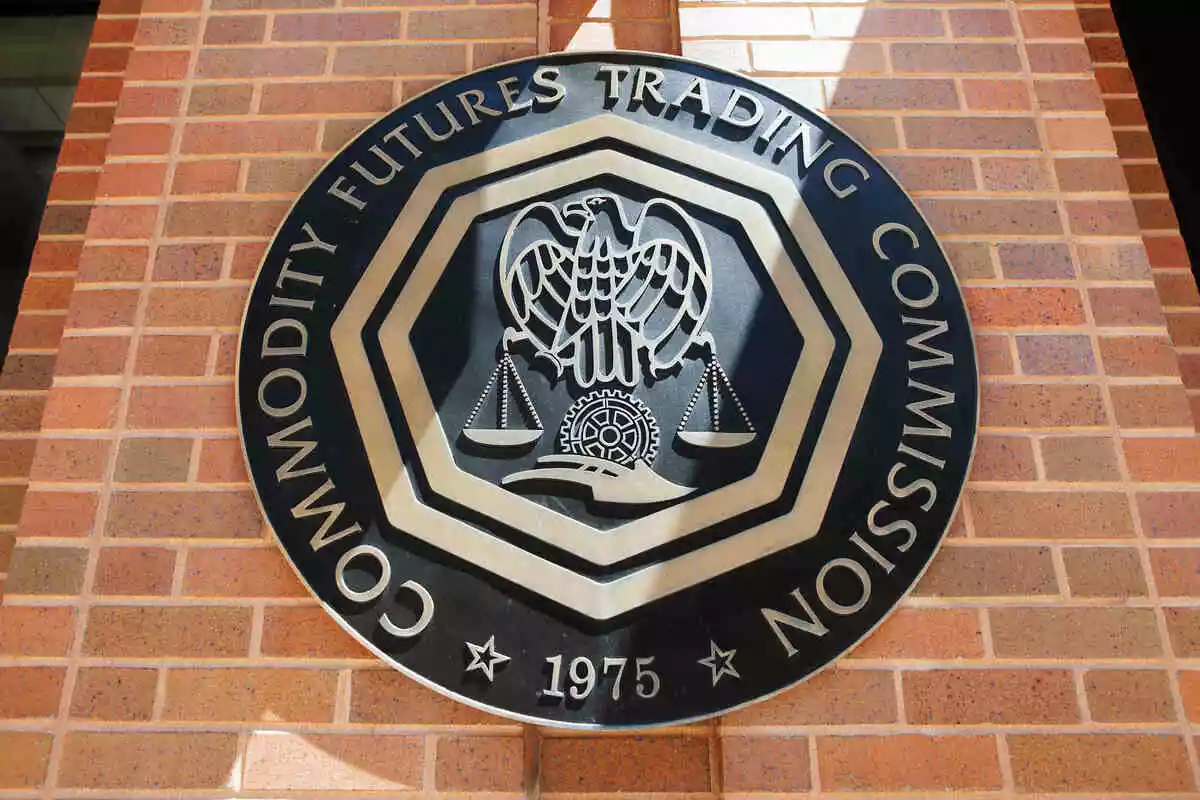
The Commodity Futures Trading Commission (CFTC) says all prediction markets regulated under the CEA, including sports event contracts, fall under the “exclusive jurisdiction” of the federal agency. In the CFTC’s view, the exchanges are legal in all 50 states and protected by federal preemption from state enforcement.
The US Supreme Court has the ability to hear one or more prediction market cases and uphold or overturn any appeals court ruling. However, SCOTUS has yet to confirm whether it will take up prediction market cases at some point in the future. Until then, the circuit courts’ opinions are final.
Whether Congress previously authorized, through Dodd-Frank, the federal regulation of sports contracts via the Commodity Exchange Act is disputed. According to one’s perspective, the CFTC has either “followed” or “hijacked” the letter of the law in its oversight of prediction market event contracts.
Following the 2026 midterm elections, a group of nine Democratic senators sent a letter to the CFTC, demanding that the agency retract its November 5th order that prediction markets can’t comply with court-issued geo-restriction mandates. The senators also want the agency to halt its efforts to block state-sponsored challenges to the legality of event contracts.
By law, Congress has the authority to pass legislation that would amend the Commodity Exchange Act to explicitly permit, restrict, or prohibit federal jurisdiction over prediction market sports trading.
Loading …