Louisiana’s blanket crackdown on CFTC-regulated prediction markets has resulted in an industry-wide shutdown through November 22nd. Late last week, a state court judge granted Louisiana a ten-day temporary restraining order (TRO). The legal action effectively blocks Kalshi, Polymarket US, Robinhood, Crypto.com, Coinbase, ProphetX, Novig, ForecastEx, Underdog, and Gemini from offering their event contracts within the jurisdiction.
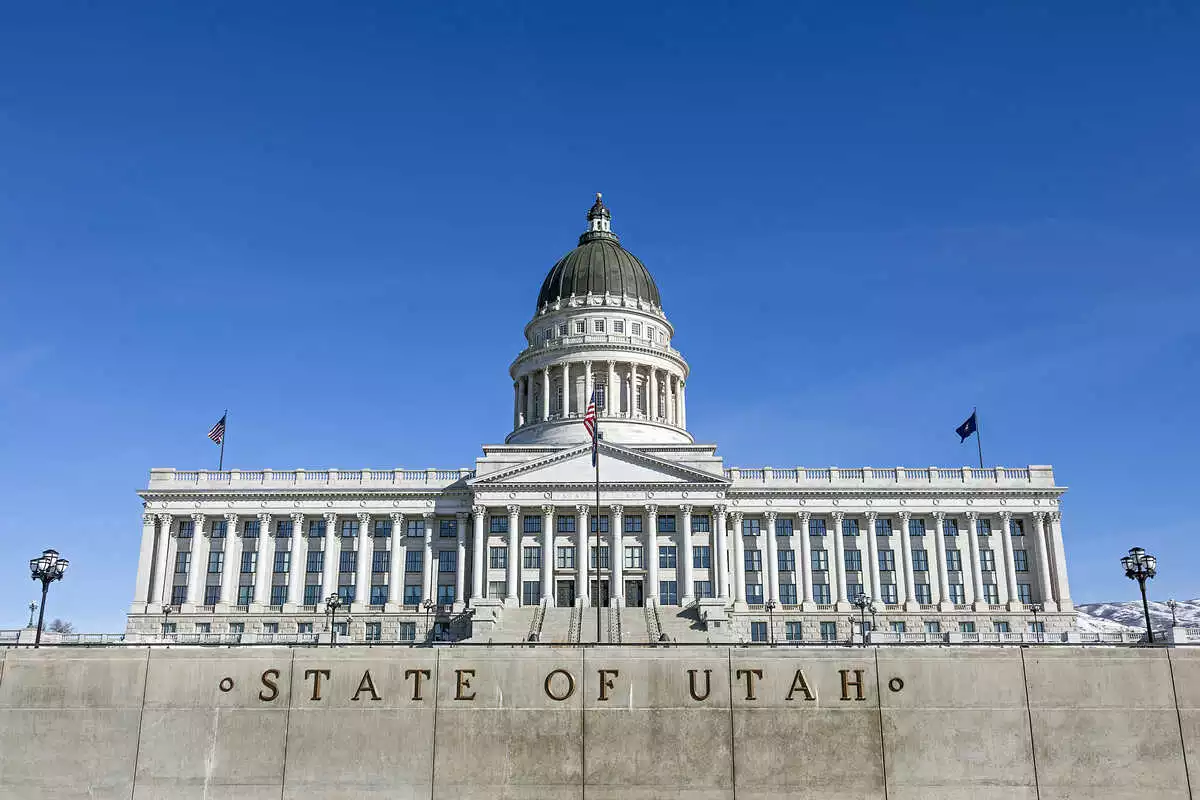
The fallout stemming from the immediate geo-restrictions in Louisiana is occurring just two weeks after Utah charged Kalshi’s co-founders with 13 felony counts associated with statewide illegal gambling activities. Industry observations are also being made as major prediction exchanges face the prospect of losing more than 15% of the US market due to future state-based geo-blockades on event contracts.
As expected, the Commodity Futures Trading Commission (CFTC) has filed a lawsuit against Louisiana to protect the agency’s “exclusive jurisdiction” over prediction markets. In a social media post on Friday, CFTC Chairman Mike Selig defended the federal agency’s legal actions against Louisiana, labeling the state’s legal pursuits as “naked lawfare and a cynical political stunt.”
On Saturday, Louisiana Attorney General Liz Murrill fired back with her own quote-reply on X.
“Flatly false statements by the ‘obsequious standard bearer’ for Kalshi and prediction markets,” stated the LSU journalism and law school graduate. “Gambling has been regulated by states for 250 years.”
On Sunday morning, CNN senior reporter Marshall Cohen shared an in-app message that Kalshi has sent to its Louisiana traders. The bulletin informs Louisiana account holders that “your government says you can’t use Kalshi anymore. Without a hearing, notice, or due process, the state has decided to end Louisiana’s access to all of the markets you love to trade.”
In the post, Cohen added his own observations as to why Kalshi’s message was “misleading.” However, Kalshi’s head of litigation, Jovy Dedaj, responded by categorizing Cohen’s reporting as “agenda driven,” adding that nothing about Louisiana’s emergency request for a TRO is an “established process.”
Contrary to popular belief, it has been statewide jurisdictions that are represented by Republican authorities in recent weeks that have occupied the main national stage in terms of enforcement actions against prediction markets. Despite prediction markets’ technical designation as federally regulated exchanges, a growing number of states have been successful in forcing those platforms to geo-restrict event contracts.
Louisiana’s legal complaints against prediction market platforms are sweeping, the first of their kind to target all major CFTC-regulated exchanges. Louisiana customers won’t have access to federally regulated prediction apps until November 23rd at the earliest. Those two facts could lead one to conclude that the state will remain the legal “epicenter” of the prediction market debate, but only until another high-profile lawsuit is filed.
Currently, Kalshi’s sports contracts are geo-blocked in Louisiana, Michigan, Nevada, Washington, Massachusetts, and on multiple tribal properties located within the state of California. In just a few months, Kalshi has lost approximately 10% of its US market as a result of unfavorable state and federal court rulings. If New York is successful in blocking Kalshi contracts, that percentage could surge to more than 15 percent.
Loading …