A report published this week by CNBC informs readers that Kalshi, the nation’s largest prediction market app, has paused trading on select “mention” markets until further notice. The contracts in question directly relate to words, phrases, nicknames, or comments that President Donald Trump may say or post during a public appearance or communication.
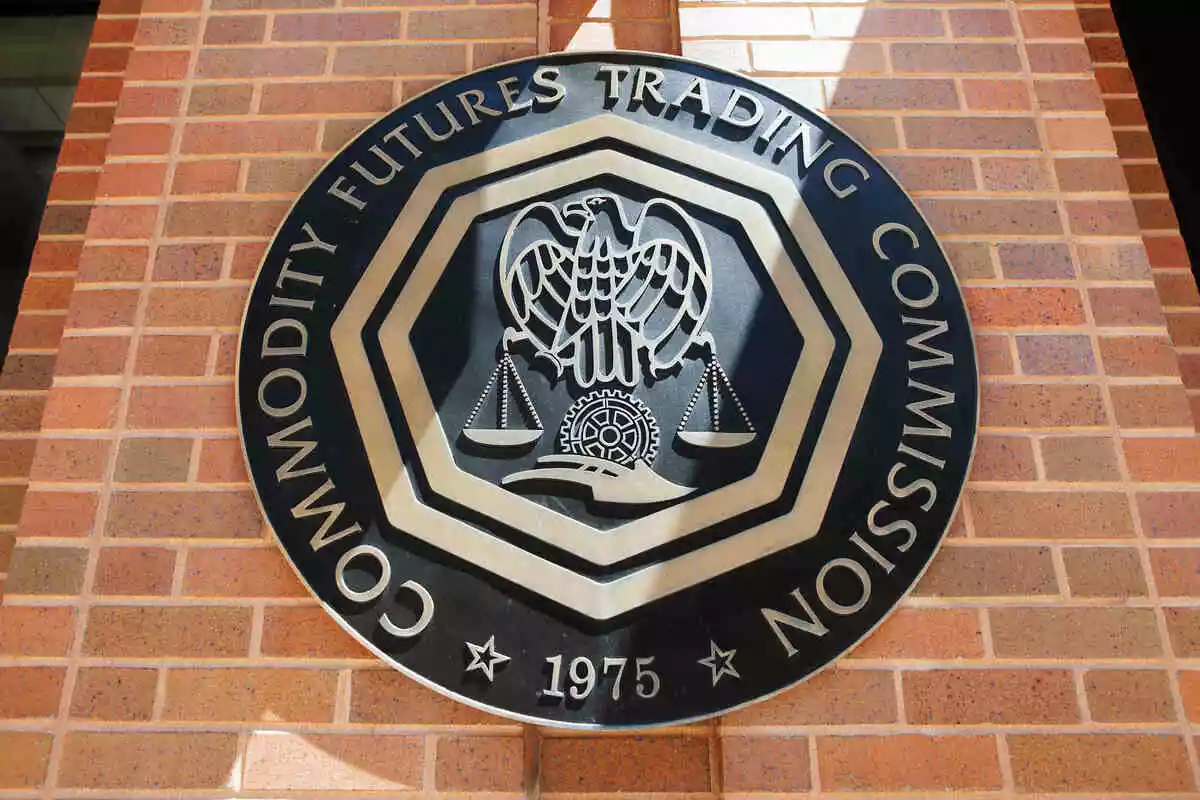
Such markets have come under intense regulatory scrutiny since former White House teleprompter operator Gabriel Perez settled with the CFTC in August on charges of insider trading. The agreement called for Perez to disgorge over $100,000 in profits he made by trading on Kalshi markets that offered binary contracts on what the president would say during speeches.
As part of the deal, Perez avoided criminal prosecution from an external agency and was ordered to pay an additional $65,000 civil penalty, due to his “exemplary cooperation” with the CFTC’s investigation.
Throughout the 2026 calendar year, regulators within the CFTC have become increasingly aware of the unique market vulnerability threat that contracts tied to “mentions” pose to legal prediction markets. Their susceptibility ranges from representing an outcome that can be directly influenced by one person to clear insider trading vulnerabilities due to the privileged intel some individuals may possess.
In August, the inaugural meeting of the CFTC’s Innovation Advisory Committee (IAC) included negative comments and observations surrounding “mention” and “appearance” markets that are traded on regulated exchanges. One month later, the CFTC’s Division of Market Oversight repeated the agency’s warning that certain contracts associated with mentions and appearances “present a heightened risk of manipulation.”
In a statement to CNBC this week, spokesperson Brooke Nethercott said, “The CFTC stayed the certification of these contracts because they may be susceptible to manipulation, which is consistent with the staff advisory the CFTC put out two months ago.”
Compared to Kalshi’s ultra-popular sports contracts, binary swaps on what one person or group might say or do at any given time make up a minuscule percentage of the platform’s notional trading volume. Yet they have taken over news cycles for 48-hour periods twice this year due to high-profile scandals.
Back in July, the CFTC settled charges against former Congressman George Santos for “manipulative activity in an event contract” that was traded on Kalshi. The present-day reality TV star and social media influencer denied any wrongdoing on a recent podcast (timestamp 3:50) hosted by the Indian Gaming Association (IGA).
It has quickly become apparent to many industry observers that certain “mention” and “appearance” markets cause too much pain for too little gain when considering the bigger picture. The CFTC and Kalshi have been engaged this year in heated legal battles across the country against states and tribes, all over the categorization of event contracts.
The main focus of those legal challenges remains on sports-related contracts. However, headlines revolving around the highly vulnerable “mention” and “appearance” contracts do nothing but draw more negative attention to prediction markets as a whole.
Loading …