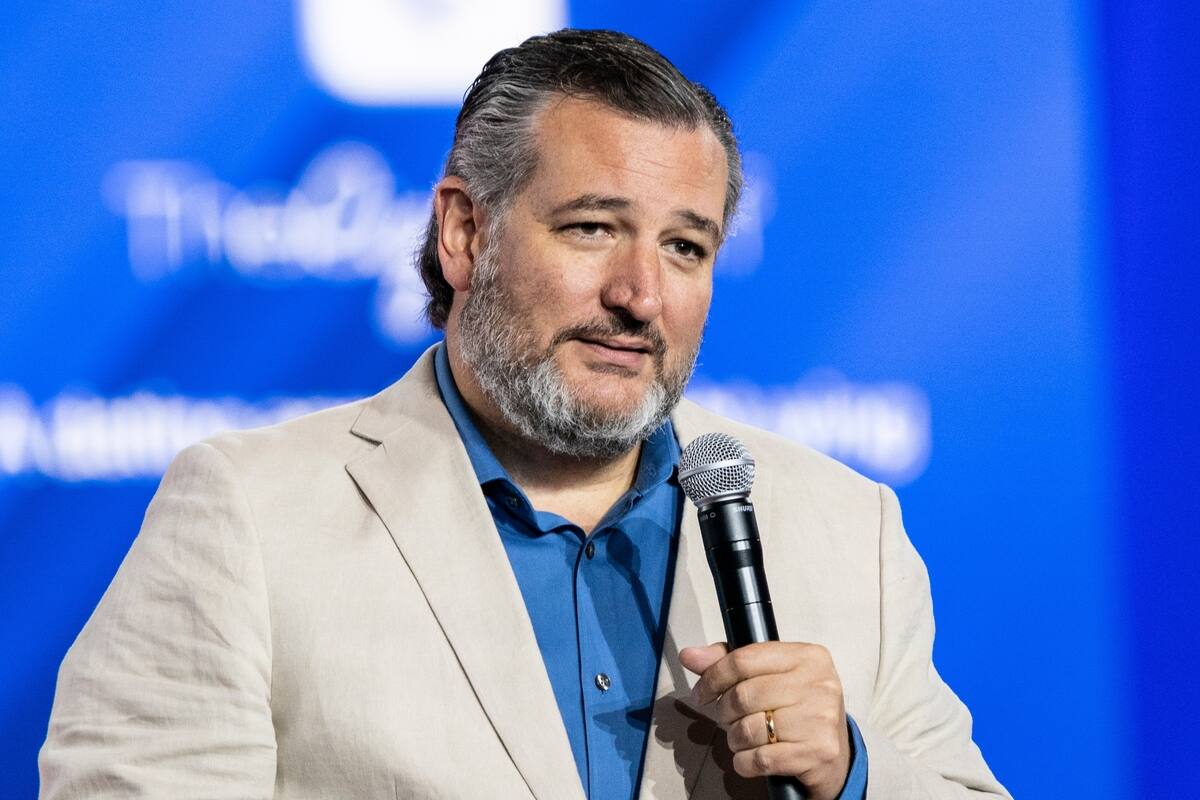
The possibility of congressional action related to prediction market sports contracts appears to be gaining support in the legislative branch ahead of Congress’ new term. A Washington Times report published on Sunday features direct quotes from Texas Senator Ted Cruz, who sees clear similarities between traditional sports betting and sports-contract trading.
“I think prediction markets, for sports betting, are a thinly veiled way to get around state laws regulating gambling,” stated Cruz. “I think it ought to be up to the states to decide whether and how to regulate sports gambling, rather than a federal back door that circumvents state regulation.”
Those sentiments echo remarks that Senator Cruz made during a Senate Commerce Committee hearing on prediction markets back in May, when he likened sports event contracts to “sports bets.”
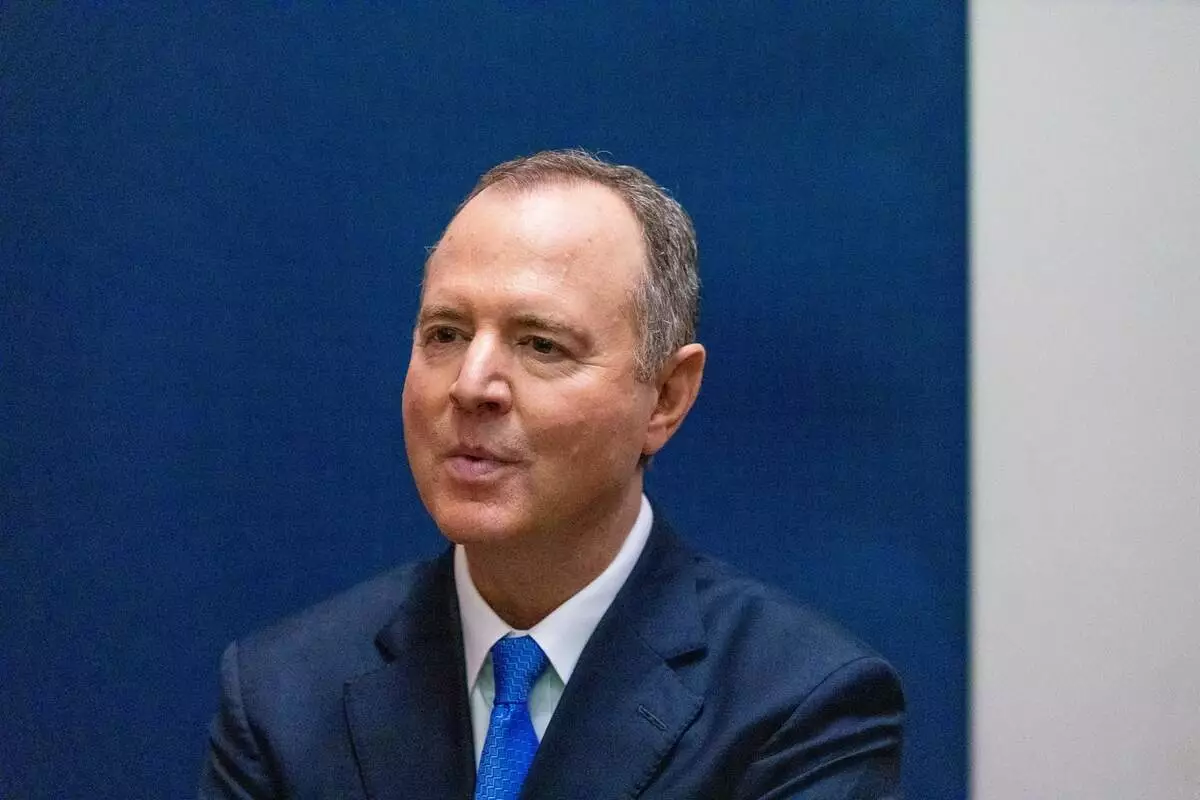
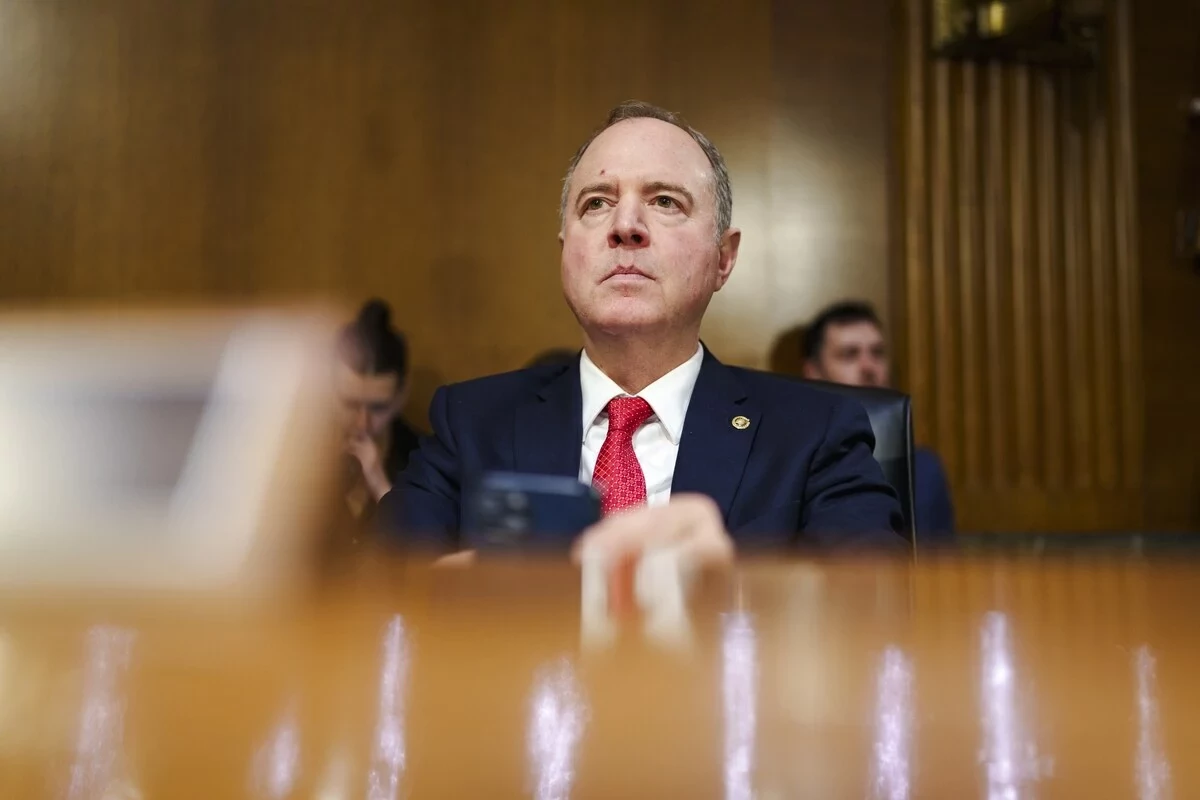
In recent days, the existing framework of CFTC regulation over prediction market sports contracts has come under fire from a number of prominent senators. This includes Elizabeth Warren (D-MA), Adam Schiff (D-CA), and Richard Blumenthal (D-CT).
It’s “time for Congress to act,” posted Blumenthal this weekend, in reaction to Kalshi’s new “perps” products that allow traders to take positions on individual stock prices.
“[CFTC regulation of prediction markets] puts the public in deep peril, setting consumer protection way below industry profits in priority.”
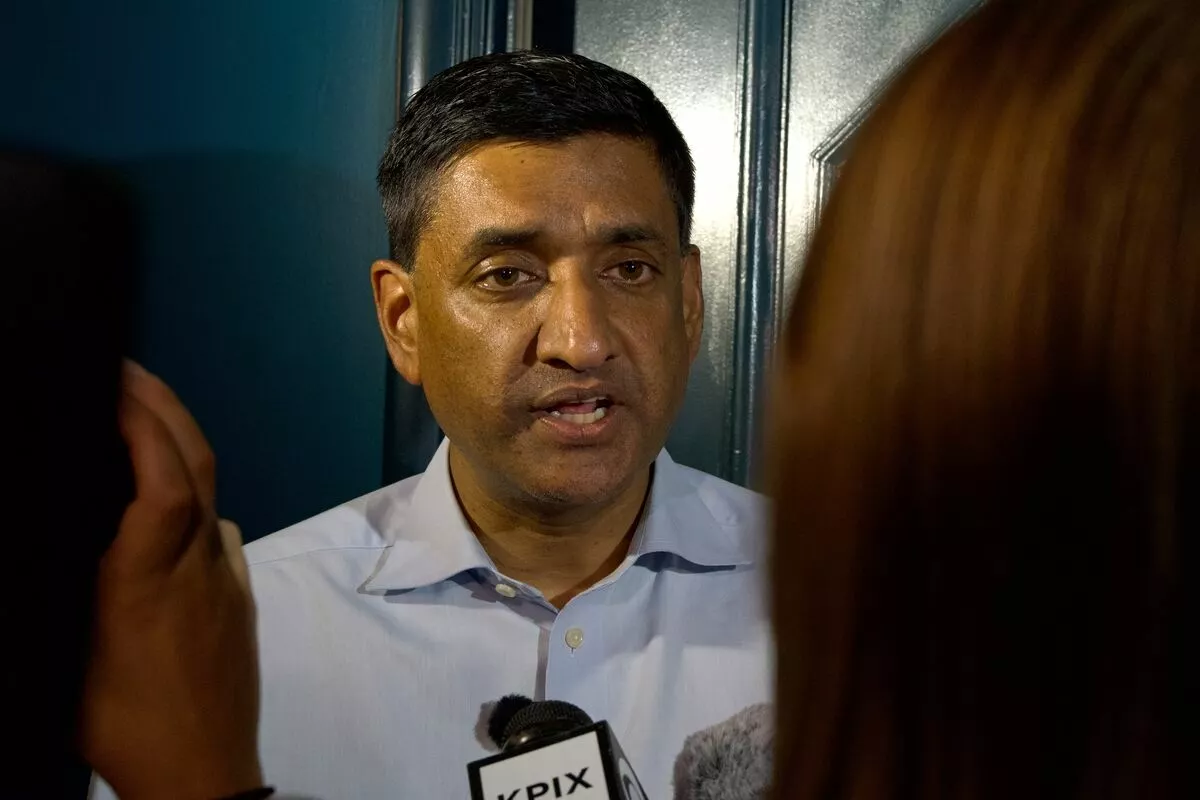
Additional scrutiny has also come from Senators John Curtis (R-UT), Ron Wyden (D-OR), Jeff Merkley (D-OR), and Angela Alsobrooks (D-MD). Those members of the upper chamber have relayed their concern over prediction markets based on either election outcomes or FDA drug approvals.
Earlier this year, much of the prediction-market critique expressed by public servants focused on “insider trading” and preventing PEPs (Politically Exposed Persons) from trading on regulated exchanges. However, that scrutiny has shifted to the current federal oversight of legal prediction markets, which has allowed platforms to operate under a single regulator and claim exemption from state gambling laws.
Well over a dozen states are currently engaged in legal battles to determine whether they can enforce their own laws and taxation on sports and other event contracts. And that narrative has caught up to high-profile politicians who have realized how aggressively some states are fighting against Kalshi in state and federal courts across the country.
Yet a vote-count “guesstimate” on the amount of congressional support that exists for relegating sports contracts to state control remains elusive, for now. The historic 2026 midterm elections resulted in a Blue Tsunami that is set to arrive on Capitol Hill starting January 3rd, when new members are sworn in. Until that time, though, it could be unlikely that outgoing members of the Republican-controlled House and Senate will show anything more than a passing (dis)interest in the topic.
Congressional forays into a potential crackdown on federally regulated sports contracts are happening at a time when most “domestic policy” issues are taking a backseat to global affairs decision-making. Although rhetoric about gasoline prices and national security routinely garners national headlines, the roots of those talking points are buried in the ongoing Middle East conflict or military cooperation clauses within the NDAA.
That leaves the oversight of prediction market sports contracts as one of the most heated controversies to apply exclusively within the United States. Going by that metric, the public could learn, as early as January, whether Congress truly has the votes to alter the course of prediction markets. Such a timeline would arrive (at least) months before a potential Supreme Court ruling takes place.
Loading …