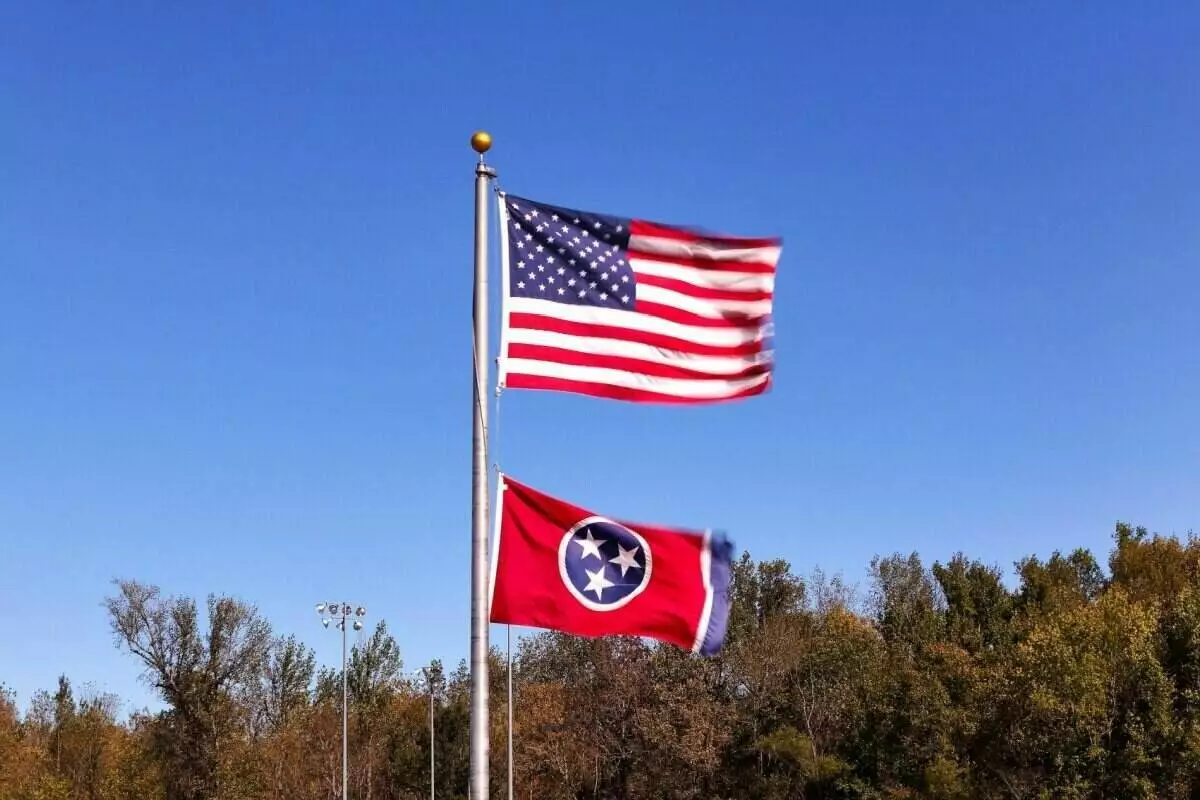
Prediction markets operator Underdog extended its legal onslaught against states on Tuesday, adding Tennessee to the current list of seven jurisdictions that the company has sued in federal court over the past five weeks. The most recent lawsuit, filed in the Middle District of Tennessee (Nashville) federal court, accuses that state of unlawful regulatory overreach linked to the Sports Wagering Council’s cease-and-desist order against Underdog’s sports-event contracts.
To date, Underdog Fantasy, which began transitioning into a prediction market business model in March when it acquired Aristotle Exchange and its clearing house, has sued seven states since September 8th.
The suit against Tennessee follows a key Sixth Circuit ruling against prediction markets and is a direct reaction to a cease-and-desist letter that the SWC sent to Underdog on October 9th.
Industry observers will not be surprised by the claims made by Underdog in its legal actions against multiple states. According to the prediction market platform, MA, NM, OH, WA, WI, CT, and TN are barred from taking legal action against a federally regulated exchange (even if it offers sports-based event contracts).
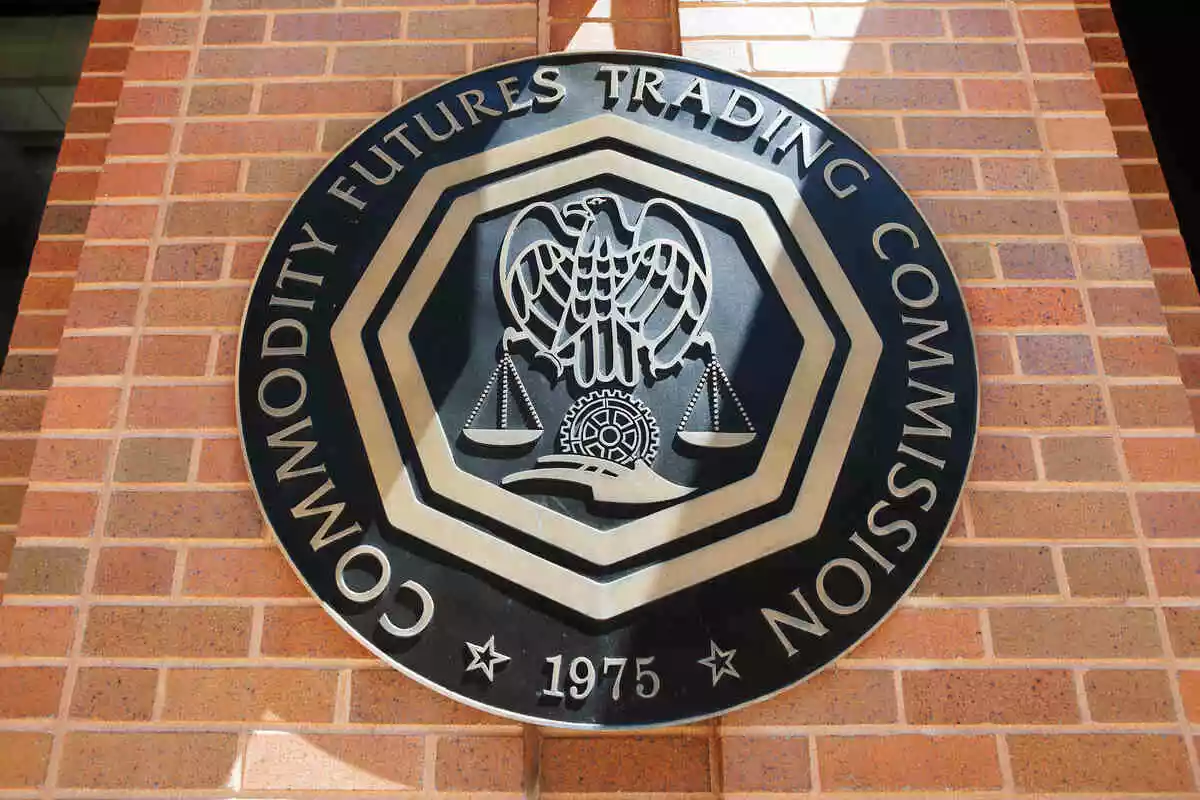
As a Designated Contract Market (DCM), Underdog is authorized by the Commodity Futures Trading Commission, which enjoys “exclusive jurisdiction” over prediction market products. Technically, prediction markets are legal nationwide. However, sites like Kalshi have been forced to geofence sports contracts in a number of US jurisdictions this year, with trading activity linked to sports outcomes currently blocked in Massachusetts, Nevada, Michigan, and Washington.
Many states are currently engaged in legal battles over the categorization of prediction market sports contracts. The states’ views are in direct contrast with the CFTC, which has sparked lawsuits in state and federal courts as prediction markets have proliferated.
As Miami Law School professor Daniel Wallach pointed out on Tuesday, Underdog’s legal approach is to seemingly win the “race to the courthouse.” By being the “first” to file a lawsuit against the seven states, the platform preempts any state court actions that Tennessee and others may engage in and forces those states to litigate their arguments in federal court.
Underdog’s move to preserve its “appellate rights” within Tuesday’s lawsuit shows that the prediction market company is anticipating a furthering of the circuit split that currently exists between the Third Circuit and the Sixth and Ninth Circuit Courts of Appeals.
Ultimately, one or more prediction market cases could reach the Supreme Court by the second half of next year. If that timeline is accurate, the federal court cases that Underdog has filed against seven states could take up the vast majority of the available schedule, meaning that any state court cases filed by the seven impacted jurisdictions wouldn’t be heard before SCOTUS gets involved.
Loading …