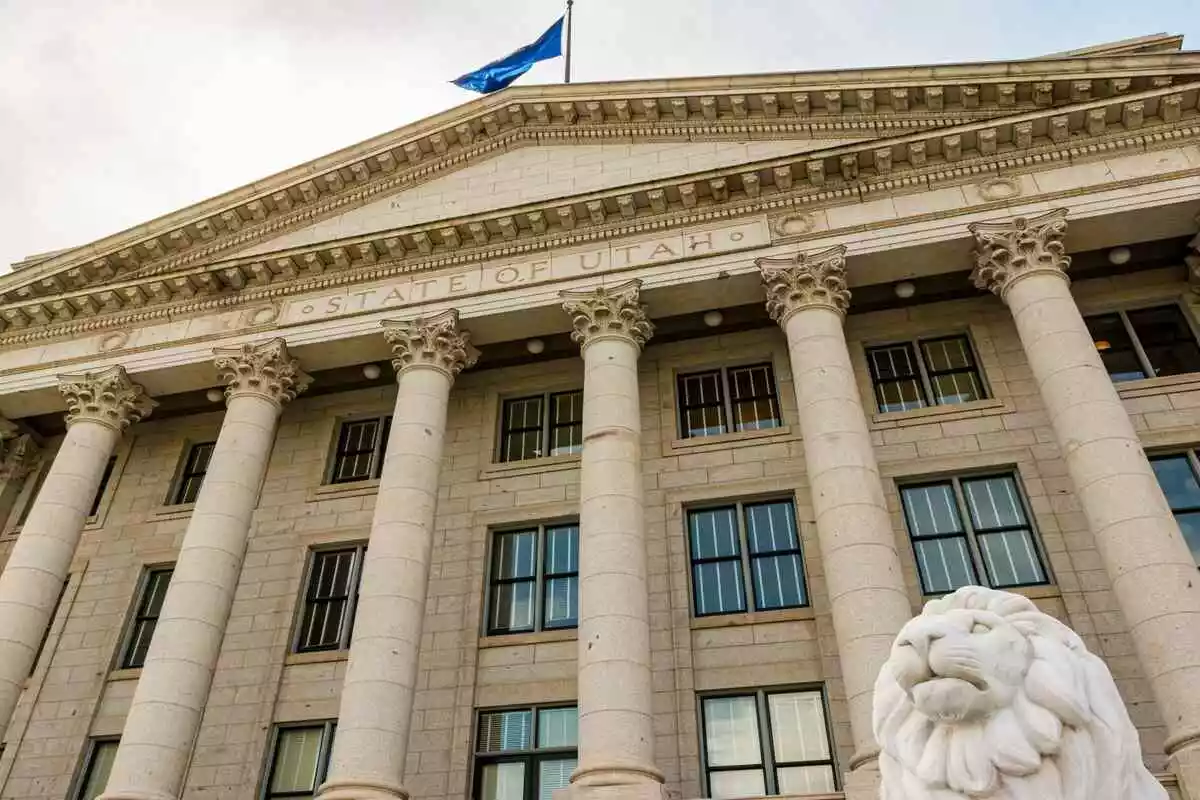
On Tuesday, Utah Attorney General Derek Brown announced that the state has filed suit against Kalshi, its affiliates, and institutional market maker Susquehanna, alleging illegal gambling activities stemming from prediction market event contract trading.
In a 14-minute press conference uploaded to YouTube by KUTV Salt Lake City, the state’s lead prosecutor outlined the civil case, which was filed in the state’s 3rd District Court that covers Salt Lake County. While citing an August 4th Utah federal court ruling against the prediction exchange, Brown took aim at a wide range of Kalshi products, not just sports.
“Today, we are asking the court to stop sports, elections, politics, culture, and ‘mention’ bets here in Utah, and to use a court-approved geolocation provider to enforce this,” stated the former Adjunct Professor of Communications Law at BYU.
The only segments of Kalshi event contracts left untouched by Utah’s state court filing are markets related to precious metals, commodities, and cryptocurrencies.
Kalshi’s trading arm, Susquehanna, has been named as a Defendant in Utah’s October 20th state court lawsuit. The state’s decision to go after the exchange’s institutional market maker and liquidity provider could prove pivotal.
Sports betting attorney and legal OSINT specialist Daniel Wallach informed followers of his X account on Tuesday that “targeting institutional market makers could channel other states toward similar actions and chill MM liquidity for sports-event contracts amid rising enforcement risks.”
For now, Utah’s legal actions only involve civil enforcement, but Utah’s attorney general didn’t rule out a potential criminal case against Kalshi in the future.
“We don’t comment on existing criminal investigations or potential criminal investigations, either,” Utah Attorney General Derek Brown told reporters when the topic was broached.
Wallach says that “Kalshi will likely remove the case to federal court” with expediency. Doing so would serve as a delay that could potentially be prolonged until more momentum builds for a Supreme Court showdown.
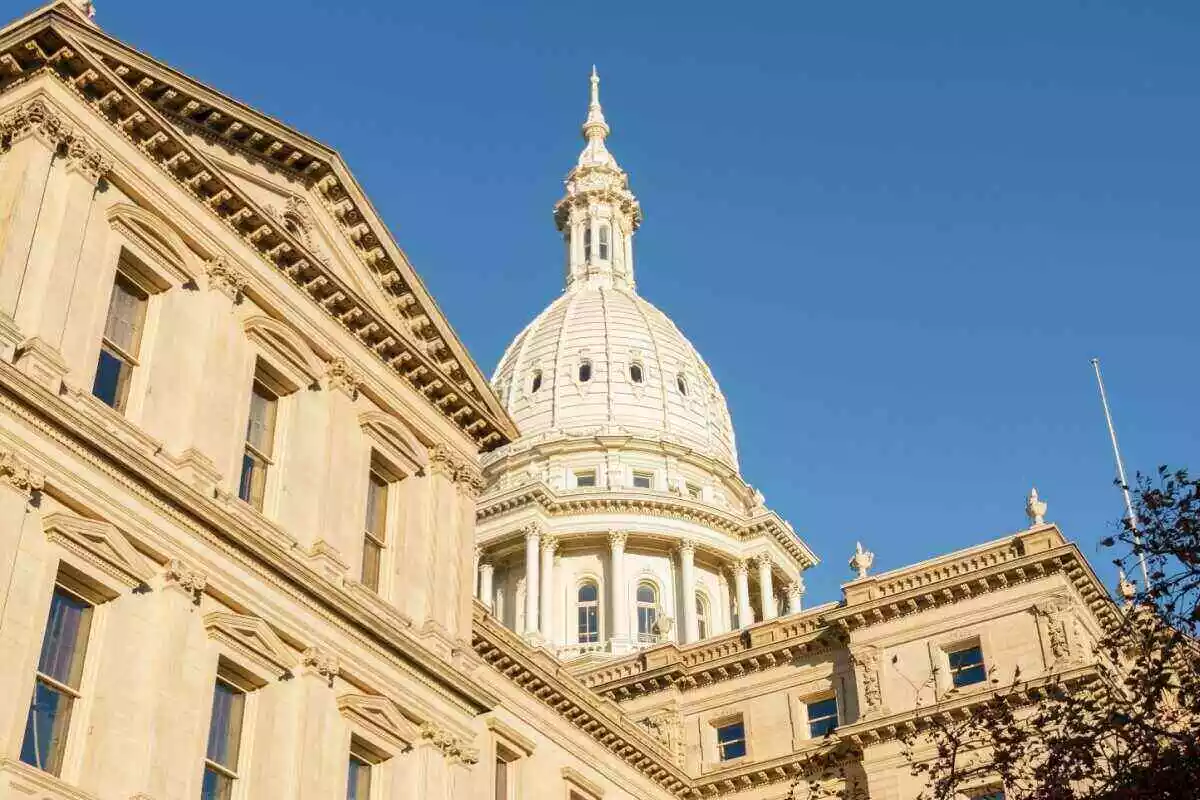
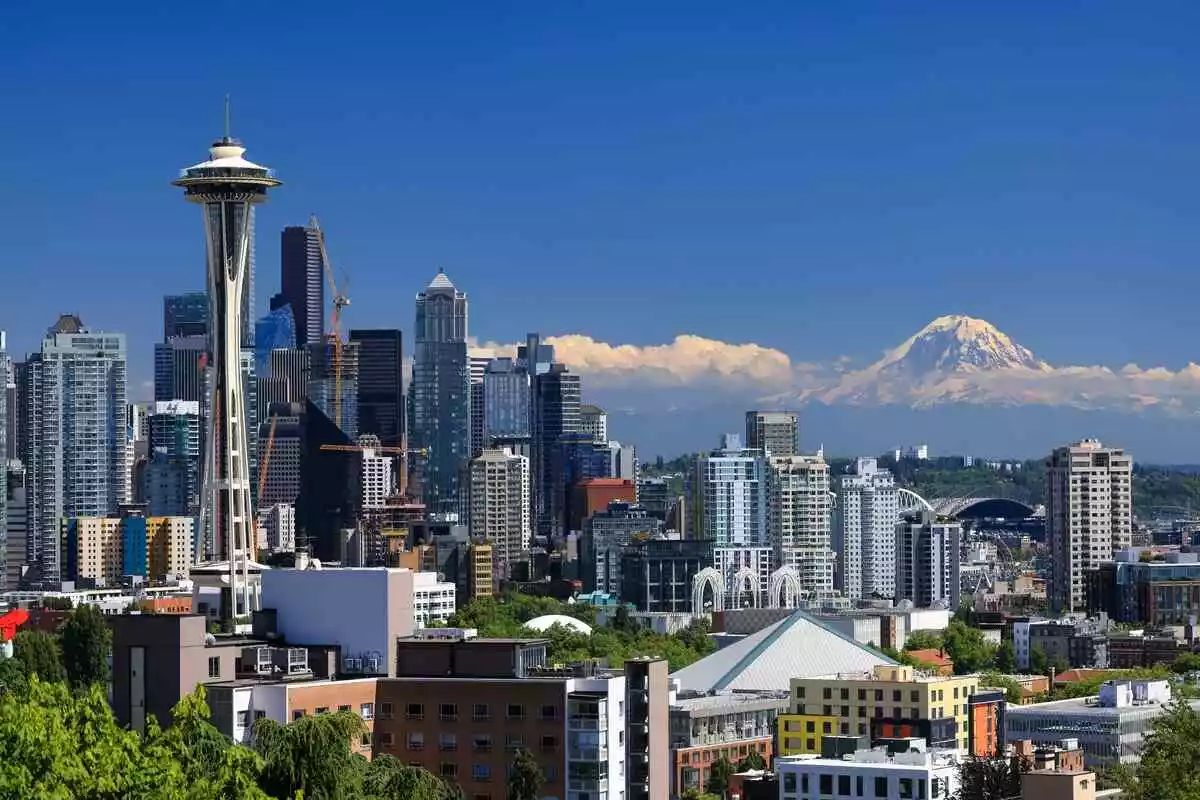
However, the case could result in an actual geo-block of Kalshi event contracts in Utah if the CFTC-regulated prediction exchange finds itself on the wrong end of another federal court ruling before then. Despite Kalshi’s formal categorization as a federally regulated prediction market, its sports event contracts are currently geo-restricted in Nevada, Michigan, Massachusetts, and Washington (along with three tribal jurisdictions located in the state of California).
The press conference held on Tuesday by Utah Attorney General Derek Brown was chock-full of quotes that are unique when compared to the rhetoric relayed by other state officials who are legally engaged against prediction market platforms.
Contrary to the “turf war” narrative that has spread throughout the industry as a potential 2027 SCOTUS ruling draws closer, Utah’s issues with Kalshi revolve around the fact that the state has a prohibition on gambling written into its constitution. Since becoming part of the Union in 1896, Utah has outlawed state lotteries, tribal gaming, and sports betting.
“One person’s gambling problem harms, on average, six other people,” said Brown, who cited research that has been made available within the state’s lawsuit against Kalshi and Susquehanna.
The attorney general urged those impacted by gambling harm to call the National Council on Problem Gambling 24-hour helpline at 1-800-MY-RESET.
Loading …