After months of hand-wringing and more than a billion dollars in prediction market trades, the 2026 midterms have finally concluded. According to multiple major media outlets, the Democratic Party will handily control both chambers of Congress once new members are sworn in on January 3rd, 2027.
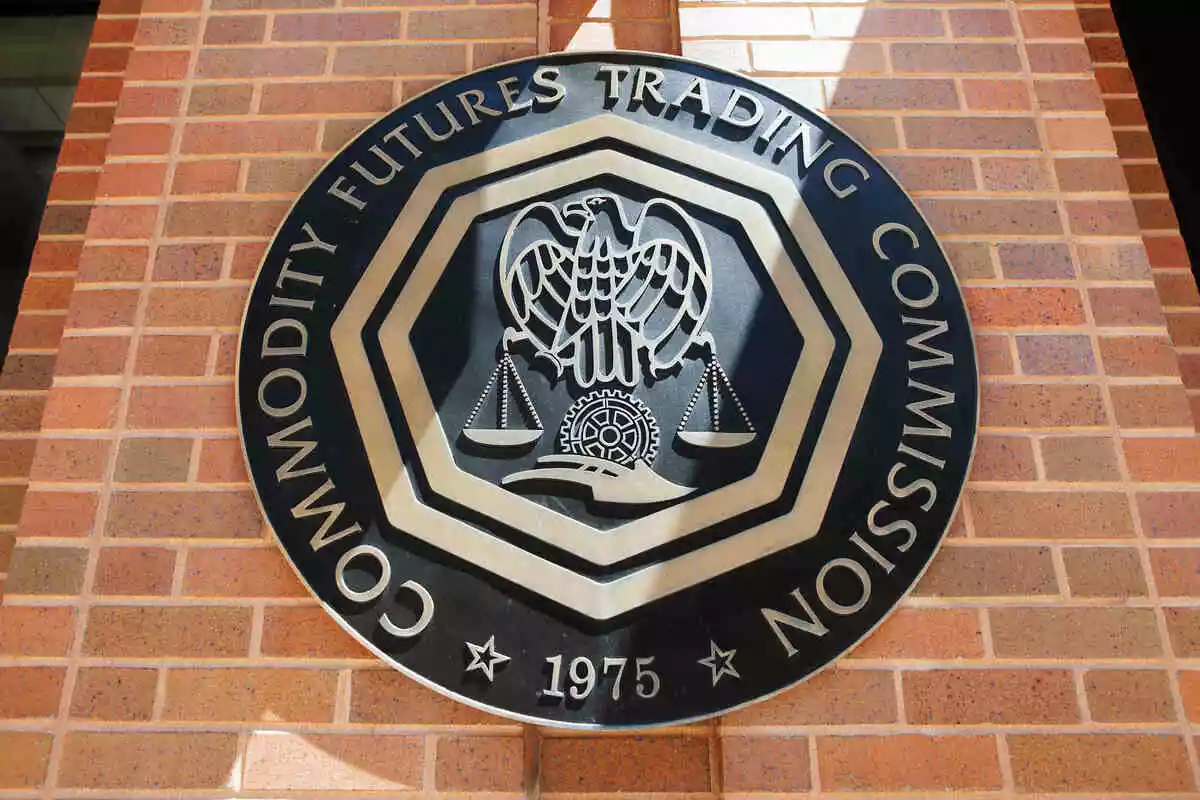
Tuesday was a huge night for prediction markets such as Kalshi, the country’s most prominent CFTC-regulated prediction exchange. According to the app’s co-founder, Luana Lopes Lara, Kalshi’s midterm projections represent “the future of news,” which “is real time and markets based.”
The debate over the accuracy of prediction markets compared to traditional polling is likely to endure for years to come. However, the legal landscape for Kalshi and other exchanges could shift in a matter of two months as political loyalties rearrange themselves in accordance with the midterm election results.
Miami Law School professor and legal analyst Daniel Wallach has been working overtime on social media to bring readers updates on a wide range of timely topics in recent days. New York’s efforts to enforce its subpoena for Kalshi’s data-based records, along with the state’s attempt to debunk the platform’s non-house claim, took up most of Wallach’s personal feed on X over the weekend.
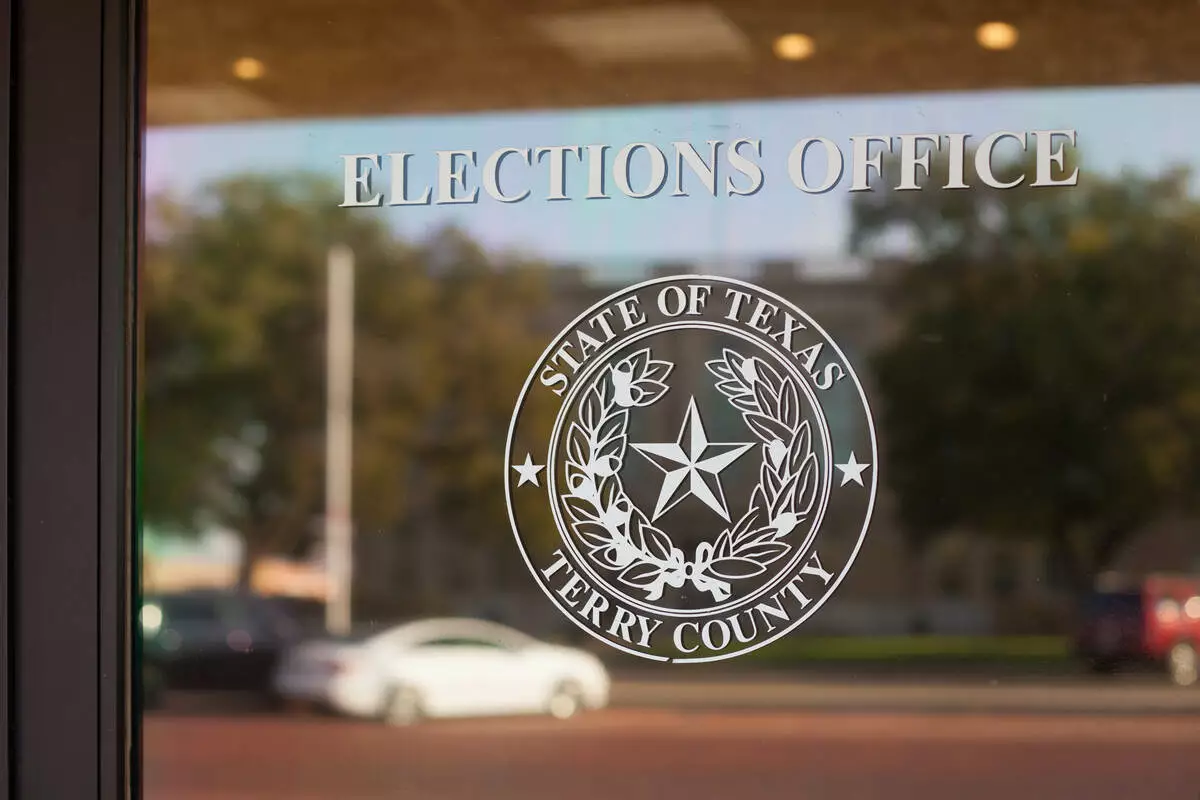
Yet the statewide defeats that the Republicans suffered in the states of Texas and Georgia are so sweeping that those jurisdictions’ neutrality on the legal categorization of prediction markets can no longer be assumed. Democrats in both states swept the midterm elections for Governor, Lieutenant Governor, Attorney General, and US Senator, according to results published by the New York Times.
“For prediction market litigation watchers, Georgia and Texas may be the two biggest developments of Election Night,” posted Wallach on Tuesday evening. “Under the status quo, there was no prospect of state enforcement against Kalshi. In one night, two of the country’s most populous states may be back in play.”
Tuesday wasn’t entirely uneventful for the ongoing legal disputes between states and prediction market event contracts. The Second Circuit denied Kalshi’s and Coinbase’s motions for injunctions pending appeal. The ruling brings both New York and Connecticut one step closer to forcing prediction markets to geo-restrict sports contracts.
“Kalshi and other platforms will likely be forced to geofence at least sports-event contracts in NY and CT by early 2027,” Wallach anticipates. If prediction market sports contracts are eventually blocked in NY and CT, that would restrict Kalshi from roughly 15% of the US population (considering those products are already unavailable in NV, WA, MI, and MA).
The full midterm ramifications for federally regulated prediction markets won’t be known until newly elected officials formally take office and begin working on policy decisions. Until then, serious challenges to the legal classification and the market availability of sports contracts will persist.
Loading …