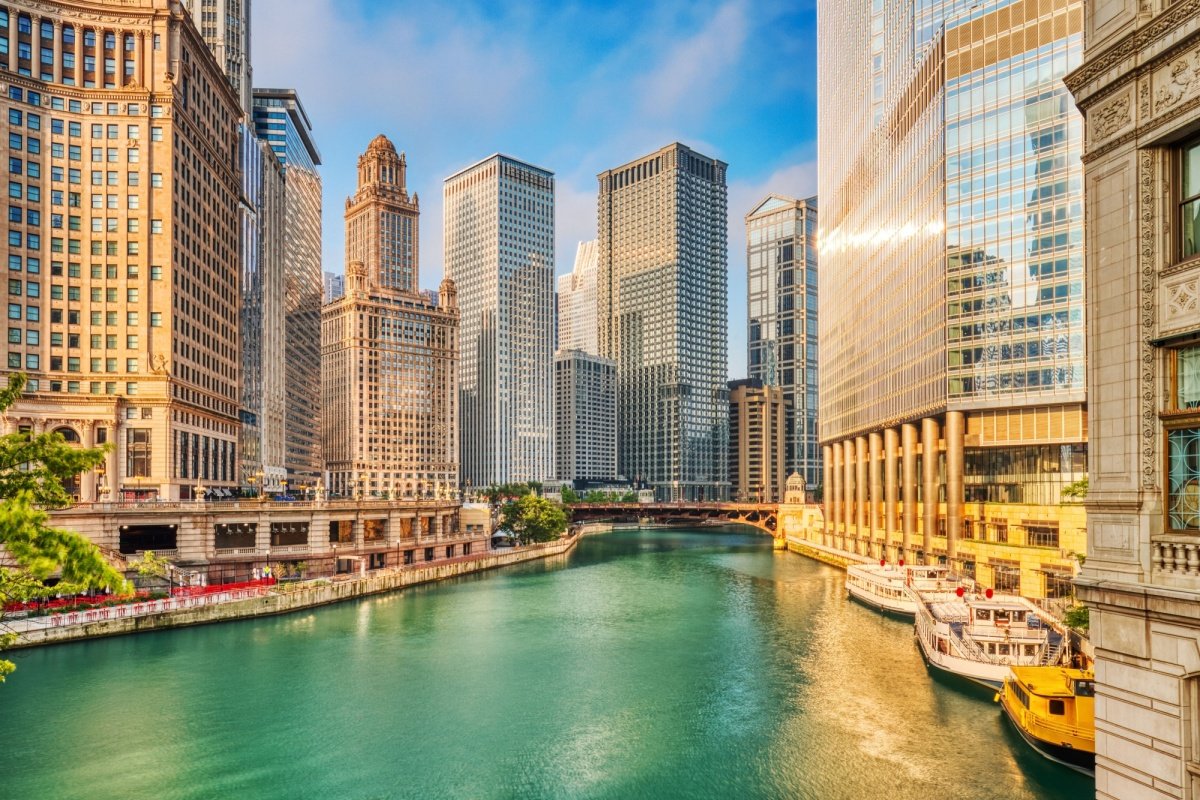
As lawmakers and regulators across the country continue to target sweepstakes casinos and gaming kiosks, one Chicago-area community is taking a different approach.
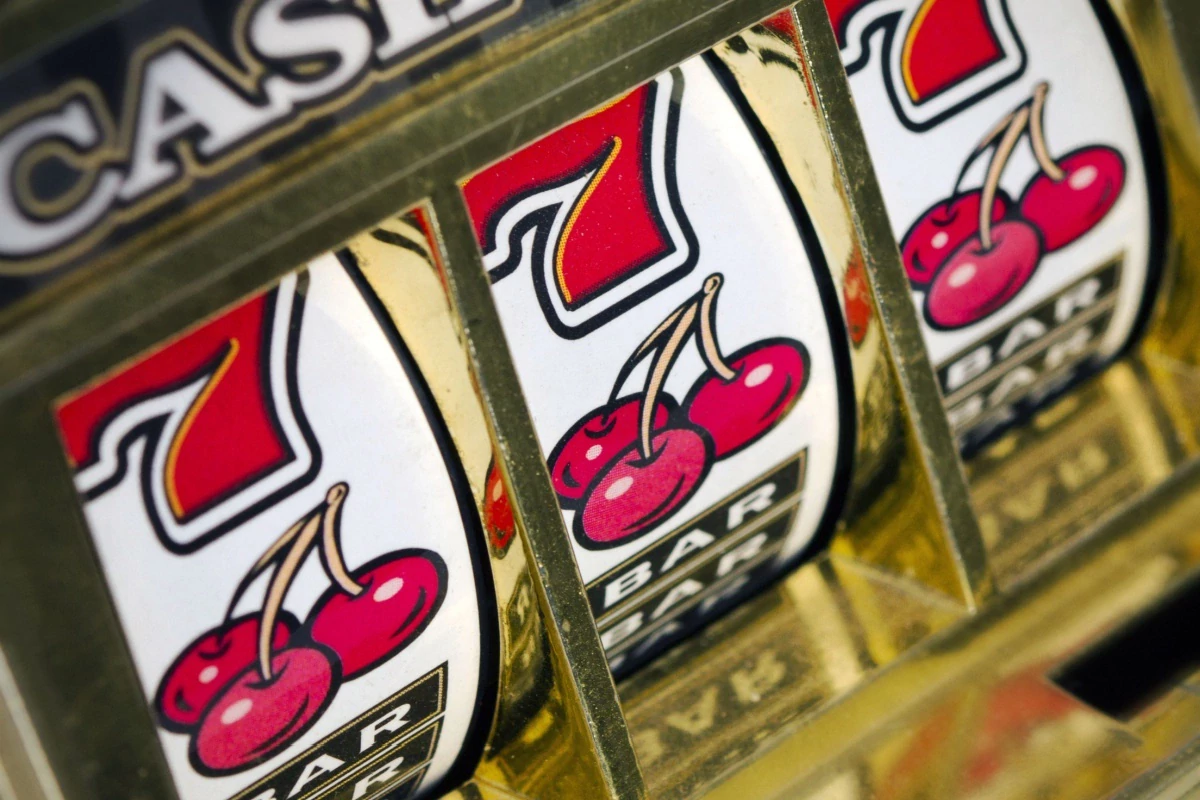
Officials in Evanston, Illinois, have indicated they would rather regulate sweepstakes-style gaming machines than ban them outright, creating a contrast with the growing number of states and municipalities that have moved to restrict similar products. The discussion centers on machines commonly found in convenience stores and gas stations that resemble slot machines but operate under a sweepstakes model.
For several months, Evanston city leaders have debated whether sweepstakes gaming machines should remain in operation. While neighboring communities have chosen to prohibit them, the Evanston City Council voted in late July to advance a regulatory framework rather than pursue an outright ban.
The machines occupy a disputed area of gambling regulation in Illinois. Traditional video gambling has been prohibited within Evanston since 2009, but sweepstakes machines have been viewed differently because they do not require a direct purchase to enter games. Instead, users typically receive gift cards, credits, or entries that can later be used to participate in games with prize opportunities.
“I think licensing something that’s unregulated by any other entity is probably not a great practice,” said Ald. Tom Suffredin, 6th.
“[But] we’re here at 11:40 [p.m.], basically holding their business’s future in our hands…so I would respectfully suggest that we not vote to ban them tonight, and come back with a well-thought-out top of the agenda plan for how we will allow these.”
Despite those distinctions, critics and some public officials remain skeptical of the machines’ legality and their similarities to traditional gambling products. The Illinois Gaming Board has previously encouraged communities to consider banning such devices.
A significant part of the debate has focused on the economic impact of the machines on local businesses. Store owners and operators have argued that revenue generated from the kiosks helps offset rising operating costs and contributes to already thin profit margins.
Several business representatives attended council meetings to advocate for regulation rather than prohibition. Supporters of the machines have suggested that additional restrictions could address concerns without forcing businesses to eliminate a source of income. Some council members echoed those concerns, pointing to other regulatory changes that have already affected certain retailers in the area.
Officials supporting regulation have generally argued that establishing rules and oversight may be more practical than enforcing a complete ban. Others maintain that the machines closely resemble gambling and should not remain in operation regardless of potential business benefits.
While Evanston appears likely to allow the machines to remain, officials are considering several restrictions that could significantly limit their footprint.
Proposals discussed during the process include caps on the total number of machines allowed in the city, limits on how many devices may operate at a single location, age restrictions for players, licensing requirements, and reporting obligations for operators. Additional discussions could alter those rules before a final ordinance is adopted.
The framework reflects a middle-ground approach at a time when sweepstakes gambling products face increasing pressure elsewhere. Multiple states have pursued legislation or enforcement actions against online sweepstakes casinos and related gaming models, with regulators frequently arguing that the products function similarly to traditional gambling offerings.
Evanston’s decision does not end the debate, but it highlights how local governments continue to wrestle with balancing business interests, consumer protections, and evolving gambling laws. As the nationwide conversation around sweepstakes gaming continues, the Chicago suburb may become a closely watched example of whether regulation can serve as an alternative to prohibition.
Loading …