Washington, D.C. lawmakers are considering an approach to sweepstakes casinos that differs from the straightforward prohibitions gaining traction elsewhere. Rather than simply trying to remove sweepstakes casino platforms from the market, legislation before the D.C. Council would establish a regulated real-money online casino industry while addressing unlicensed sweepstakes sites.
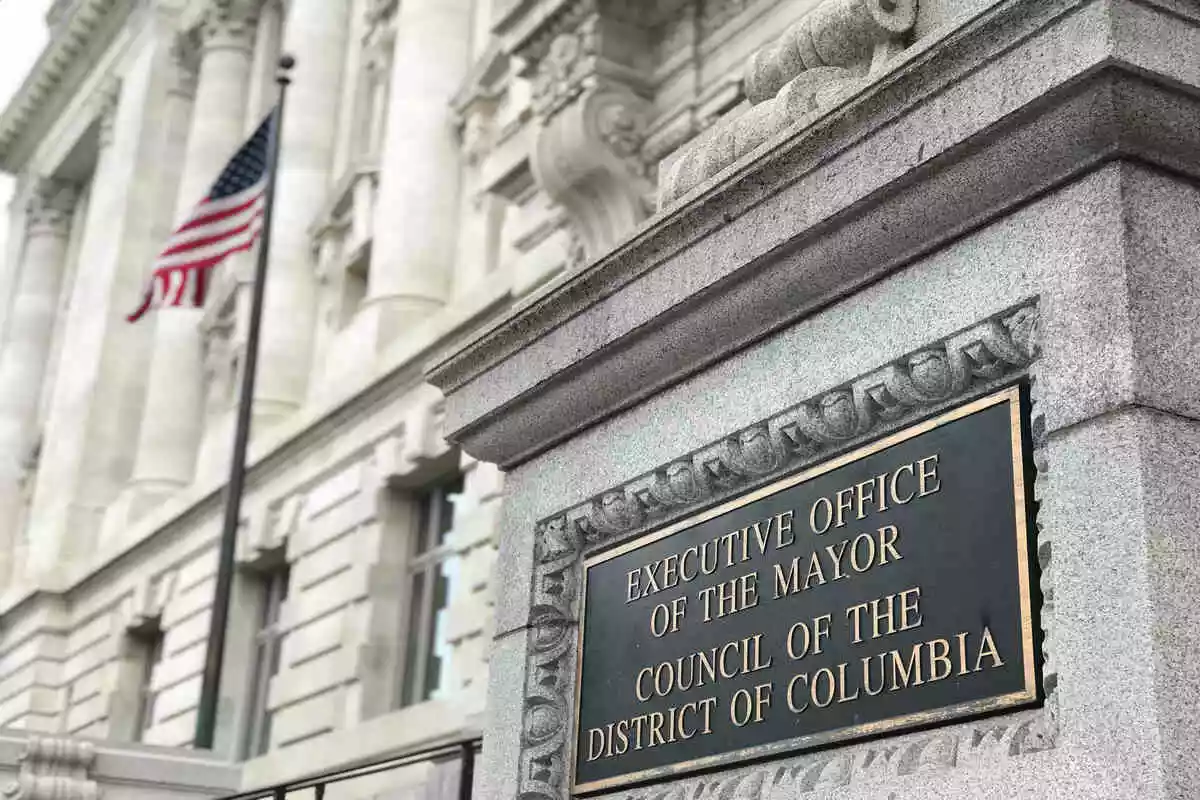
Bill B26-0656, the Internet Gaming and Consumer Protection Act of 2026, was introduced in April and received a public hearing on May 4. The proposal would put legal iGaming under the D.C. Office of Lottery and Gaming’s oversight, expanding the District’s regulated gambling market beyond its existing offerings. The measure has not become law yet, so it remains subject to the legislative process, but the recent slew of states banning sweeps casinos makes this effort more relevant.
Sweepstakes casinos have become a specific concern for D.C. gaming officials. During the May hearing, Office of Lottery and Gaming Executive Director Thomas R. Burnside told lawmakers the agency was aware of more than 20 unlicensed online sweepstakes sites operating in the District. He characterized their position as a gray area because District law does not currently specify what sweepstakes are.
The legislation attempts to address that uncertainty while establishing rules for licensed internet gaming. That creates a notable contrast with states that have focused primarily on prohibiting the dual-currency sweepstakes model. D.C.’s proposal would instead pair restrictions on that market with a new regulated option for adults looking to play casino games online.
The proposal would not simply exchange one type of online casino for another without oversight. Burnside told lawmakers that B26-0656 includes identity and age verification, anti-money laundering requirements and responsible-gaming safeguards. It would also provide funding for the Department of Behavioral Health and impose a regulatory assessment equal to 2% of each licensed operator’s gross gaming revenue.
D.C. would not be breaking entirely new ground with legal iGaming. Burnside cited Connecticut, Delaware, Rhode Island, West Virginia, Pennsylvania, New Jersey and Michigan among states already offering regulated online casino gaming. He also acknowledged a potential downside, telling lawmakers that some cannibalization of the D.C. Lottery’s iLottery could occur.
The debate therefore extends beyond whether sweepstakes casinos should remain accessible. Lawmakers are effectively considering whether online casino demand should instead be directed into a licensed system where operators face regulatory requirements and the District collects revenue. Burnside testified that he believes annual iGaming revenue would more than offset potential losses caused by cannibalization.
That does not make B26-0656 a settled solution. Creating another form of gambling brings its own regulatory and responsible-gaming considerations, while replacing sweepstakes casinos with licensed iGaming would fundamentally change the choices available to D.C. players. The proposal must also advance through the legislative process before any of those changes become reality.
The larger significance is the policy choice confronting District officials. Lawmakers do not have to choose solely between allowing the existing sweepstakes market and prohibiting it. B26-0656 presents another possibility: restrict unlicensed sweepstakes gaming while moving casino play toward licensed operators overseen by a government regulator.
For a sweepstakes casino industry facing growing legal pressure around the United States, D.C.’s debate bears watching. If the measure advances, the District could provide a test of whether regulated iGaming and a crackdown on sweepstakes casinos can form two parts of the same gambling policy rather than separate legislative battles.
Loading …