As sweepstakes casinos continue adapting to an increasingly restrictive legal landscape, some operators are testing a new business model that shifts the focus away from traditional virtual currency purchases. Instead of selling digital coin packages that include Sweeps Coins, a handful of platforms are attaching promotional gaming currency to purchases of physical products.
The approach is generating discussion throughout the industry because it introduces a different legal framework than the dual-currency systems that have been specifically targeted by lawmakers in multiple states. While questions remain about how regulators may interpret these models over time, the strategy highlights the industry’s ongoing search for alternatives.
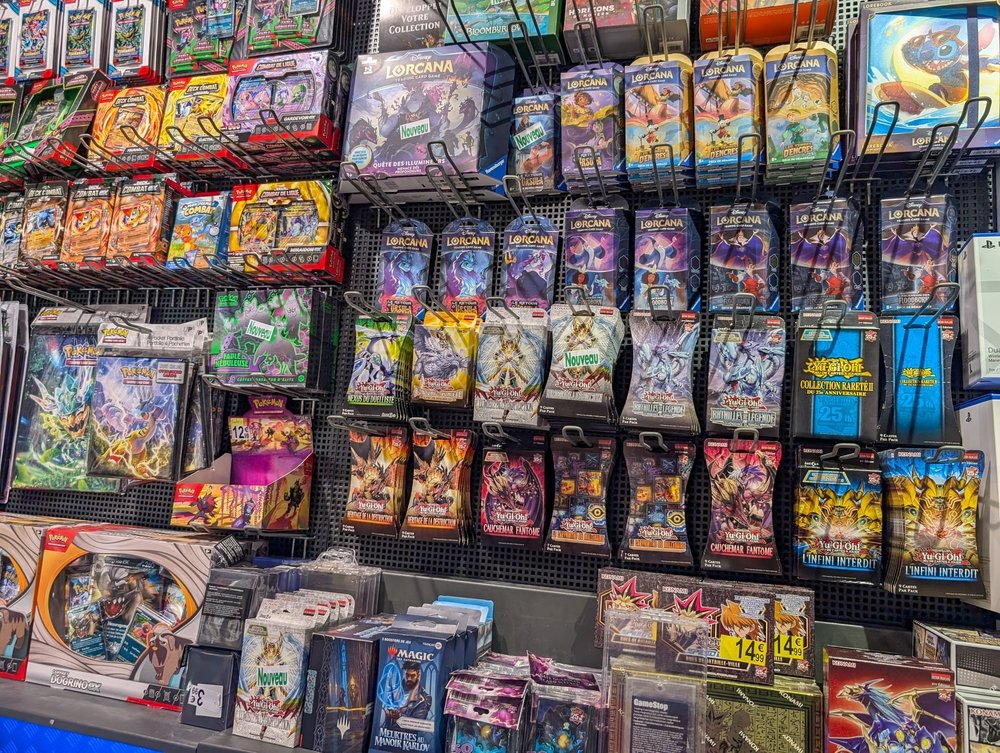
One of the more visible examples is AceBet.cc, which has reportedly marketed its platform in states where traditional sweepstakes casinos have reduced operations or exited entirely. Rather than selling digital Gold Coin bundles that include bonus Sweeps Coins, the site centers its offerings around physical trading card packs that can be shipped directly to customers.
Under this structure, customers purchase a tangible product and receive promotional Sweeps Coins alongside that purchase. Those Sweeps Coins can then be used within the site’s casino-style gaming platform and may be redeemable under the site’s rules.
At first glance, this may appear similar to traditional sweepstakes models. However, the presence of a physical product changes the nature of the transaction and creates a potential distinction that operators believe could be important as new laws take effect.
The primary question facing regulators is whether customers are genuinely buying a product or whether the physical item merely serves as a vehicle for obtaining promotional gaming currency.
Recent sweepstakes casino legislation has often focused on the exchange of money for gaming-related value within dual-currency systems. Some laws specifically address indirect consideration, including purchases tied to products or services that deliver promotional currency.
At the same time, many consumer protection and gaming statutes continue to recognize legitimate product sales and promotional offers as separate activities. That distinction is what makes the physical-product model noteworthy.
Legal observers may ultimately focus on factors such as the standalone value of the product, consumer demand for the item itself, pricing structures, and whether purchases would likely occur without the accompanying promotional currency. Those considerations could become important if regulators decide to closely examine the model.
The physical product approach also differs from another emerging trend in the industry: mystery-box platforms.
For example, some operators have introduced systems where users purchase access to randomized prize boxes that contain physical merchandise, digital items, gift cards, or other rewards. These products operate separately from the site’s sweepstakes gaming components.
The key distinction is that the physical products sold through AceBet-style models are directly connected to the promotional Sweeps Coins customers receive. Mystery-box systems, by comparison, generally separate product purchases from sweepstakes gaming currencies.
That difference could matter if lawmakers attempt to categorize these evolving business models and determine which activities fall under existing gaming restrictions.
The emergence of physical-product purchases illustrates how rapidly the sweepstakes casino sector is evolving in response to regulatory pressure. Operators have already explored subscription-based platforms, single-currency systems, social gaming variations, and other alternatives following the wave of state-level enforcement activity.
Whether physical product sales become a lasting feature of the industry remains uncertain. Regulators may eventually decide that some versions of the model comply with existing statutes, while others could face additional scrutiny.
For now, the approach represents another example of how sweepstakes operators are experimenting with new structures as the legal environment continues to change across the United States. As more states revisit their gambling laws, these product-based models could become an important area to watch for both regulators and industry stakeholders.
Loading …