I-Team: Which College Basketball Team Guaranteed A Walk-Out If They Made The NCAA Final?

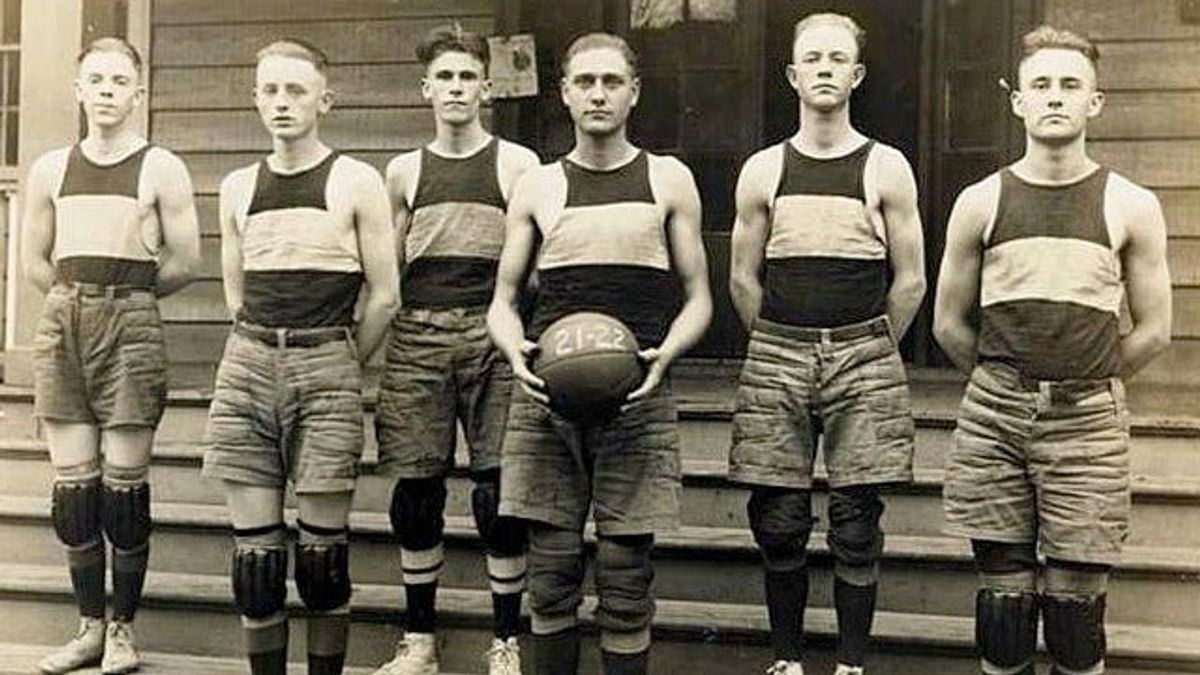
We gave you a cheat sheet to The Atlantic's this morning, but we left one surprising bit out, to which reader Aaron has directed us.
NCAA v. Regents left the NCAA devoid of television football revenue and almost wholly dependent on March Madness basketball. It is rich but insecure. Last year, CBS Sports and Turner Broadcasting paid $771 million to the NCAA for television rights to the 2011 men's basketball tournament alone. That's three-quarters of a billion dollars built on the backs of amateurs—on unpaid labor. The whole edifice depends on the players' willingness to perform what is effectively volunteer work. The athletes, and the league officials, are acutely aware of this extraordinary arrangement. William Friday, the former North Carolina president, recalls being yanked from one Knight Commission meeting and sworn to secrecy about what might happen if a certain team made the NCAA championship basketball game. "They were going to dress and go out on the floor," Friday told me, "but refuse to play," in a wildcat student strike. Skeptics doubted such a diabolical plot. These were college kids—unlikely to second-guess their coaches, let alone forfeit the dream of a championship. Still, it was unnerving to contemplate what hung on the consent of a few young volunteers: several hundred million dollars in television revenue, countless livelihoods, the NCAA budget, and subsidies for sports at more than 1,000 schools. Friday's informants exhaled when the suspect team lost before the finals.
We'll let Aaron explain, since his detective work so far seems on point: "There were three Knight Commissions: 1991, 2001, and 2009/10. So we can look at those respective NCAA tournaments. I think the 1991 is too early for people to have realized how much money the NCAA tournament was making, and it wasn't nearly as big then as it got through the 90s. 2001 is actually the best candidate because the report from the Knight commission came out in June 2001, so the meetings had to be taking place during the NCAA tournament."
So, the 2001 NCAA Tournament included an elite eight of Duke, USC, Stanford, Maryland, Michigan State, Temple, Illinois, and Arizona. Out of those teams, we can't find too many obvious links to the 2001 Knight Commission's membership. One we can find comes from then-Tufts president John DiBiaggio, who had been president of Michigan State until 1992—perhaps he still had connections within the athletic department?
But perhaps you can do more, I-Team: here is the 2001 Knight Commission report, and here is the 2001 March Madness bracket. Have at it, and report back.
Related
The Biggest Disappointments of the MLB Playoffs So Far
Three Non-Power College Football Playoff Contenders
Why Doesn’t the NFL Have Full-Time Referees?
Milwaukee Brewers vs. San Diego Padres Game 4 Betting Picks
MLB Playoff Picks for Wednesday: HR Props, ML Picks and More
5 Fights the UFC Should Make After UFC 332
Bijan Robinson Keeps Proving He’s Built for Primetime
TV Networks Have Killed College Football

- Milwaukee Brewers vs. San Diego Padres Game 3 Bet Picks and Predictions
- Dana White’s Contender Series Week 9 Predictions: Picks for Every Fight
- Two MLB Playoff Bets Stand Out on Monday
- Yankees vs. Rays Prediction: Best Bets for ALDS Game 2
- Falcons vs. Saints Prediction: Best Bet for Monday Night Football
- MLB Playoff Picks: Padres vs. Brewers and Braves vs. Dodgers
- Lions vs. Panthers Prediction: Best Bet for Sunday Night Football