DraftKings And FanDuel Finally Agree To Merge, Still Face Major Antitrust Scrutiny

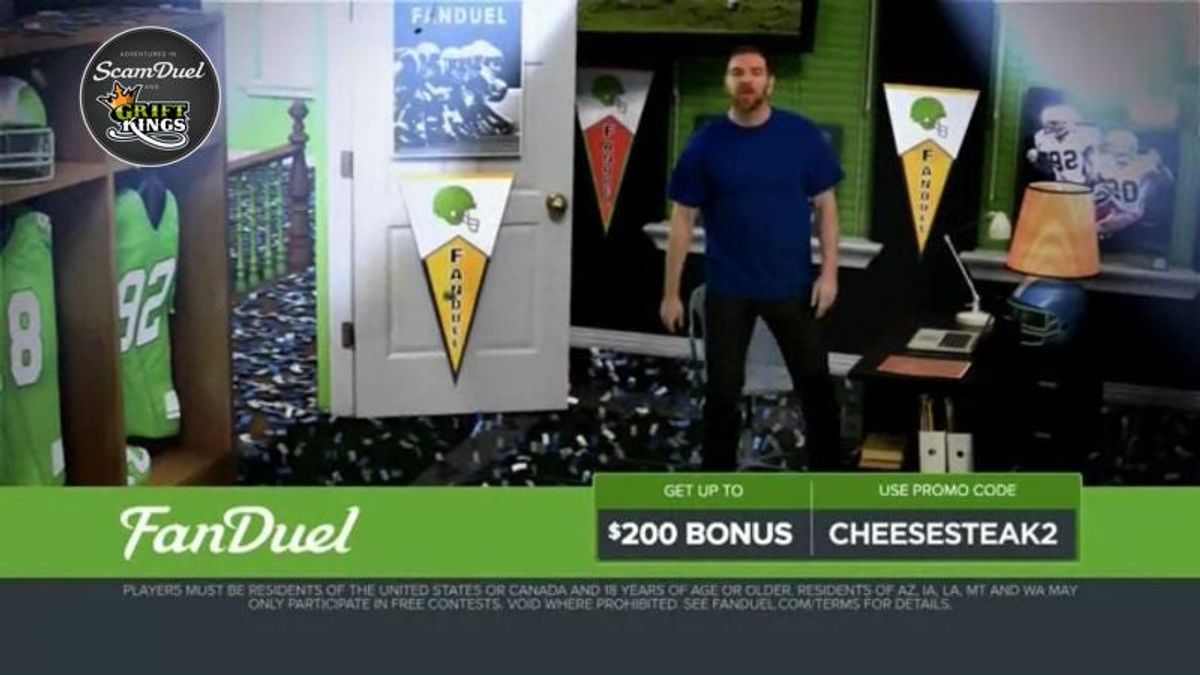
After months of reporting indicating that daily fantasy titans DraftKings and FanDuel would merge, they have finally agreed on the terms, and expect to close the merger sometime in 2017.
From the announcement:
The merger of FanDuel and DraftKings, which offer daily, weekly and season-long sports fantasy contests, will bring together two fantasy sports innovators to better serve consumers. The operational efficiencies and cost savings that are expected to result from the merger will drive a greater focus on developing new products and features, including more variety in contest formats, loyalty programs, enhanced social functionality and ancillary sports-oriented content and experiences, all aimed at creating a more diverse, exciting and appealing experience for fantasy sports players and all sports fans. The merger will also help the combined company accelerate its path to profitability.
The two companies are merging as equals, with DraftKings CEO Jason Robins as the CEO, and FanDuel CEO Nigel Eccles as Chairman of the Board, which will be made up equally of directors from DraftKings and FanDuel. No word yet on what the combined company will be called. For the time being, the two daily fantasy sites will operate under their existing names and formats.
It is the last line of the announcement, however, that is most important (emphasis mine): “The transaction is subject to customary closing conditions and regulatory approvals.” The two companies together will control somewhere north of 90 percent of the daily fantasy market, making it a natural antitrust target of the Department of Justice or Federal Trade Commission.
Law360 talked to a number of antitrust experts, most of whom believe the DOJ or FTC will scrutinize the merger heavily, as it hurts consumers and would make it more difficult for new daily fantasy companies to join the market. But as important is whether those federal agencies will give a shit. They have limited resources, and scrutinizing the operations of two companies who will likely go belly up without the merger might not be where they choose to spend them.
Neither of the companies are profitable, and both have incurred heavy operating costs in the past year, as they spent tens of millions of dollars on ads in an attempt to corner the market, and their legal fees skyrocketed as numerous state attorneys general went after them for deceiving customers and/or being thinly disguised sports gambling operations.
The real loser here are the companies’ investors. Combined, they’ve poured about a billion dollars into the two companies, in the hopes that one would emerge dominant and garner a huge return. Instead, the two companies used those investments to bludgeon each other close to death while also inviting regulatory scrutiny, and if approved, the merger will see each investor holding a smaller share of a still-listing company. But at least it’s something!
Related
Guardians vs. Rays Prediction: Picks, Odds for ALCS Game 1

Brendan Allen Has Earned the Right to Fight for UFC Gold
Bills vs. Rams Odds, Prediction and Best Bet for MNF
Three Longshot NFL Futures Worth Betting in Week 5
- White Sox vs. Guardians ALDS Game 5 Betting Pick
- UFC Vegas 122 Betting Odds: The Biggest Line Moves Before Allen vs. Duncan
- UFC Vegas 122 Picks and Predictions: Three Bets for Allen vs. Duncan
- College Football Week 6 Bets: Three Picks for Saturday’s Biggest Games
- UFC Fight Night Underdog Pick: Why Kai Kamaka III Is Worth a Bet
- WNBA Playoff Picks: Best Bets for Liberty-Dream and Aces-Valkyries
- Friday College Football Best Bets: Iowa-Washington and BYU-Iowa State