Why the UFC Released Undefeated Bantamweight Farid Basharat

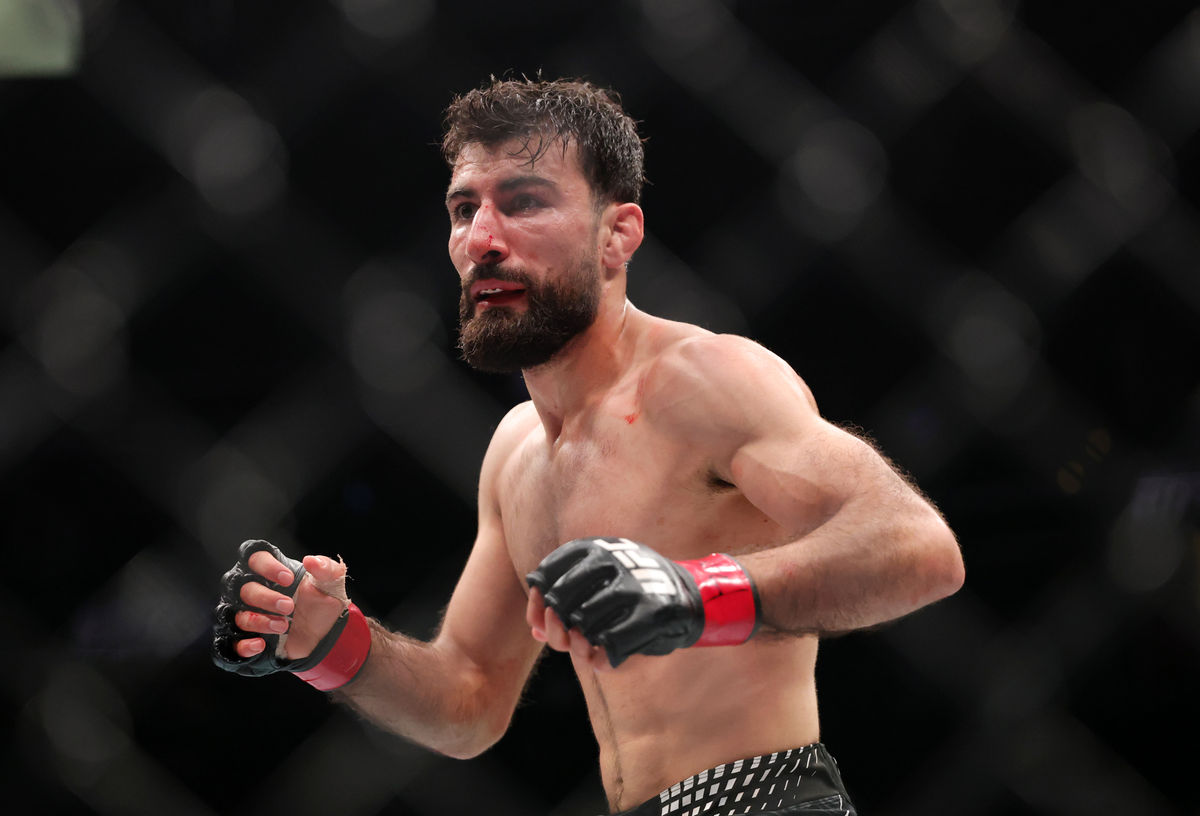 Jul 11, 2026; Las Vegas, Nevada, USA; Farid Basharat during UFC 329 at T-Mobile Arena. Mandatory Credit: Mark J. Rebilas-Imagn Images
The UFC released Farid Basharat after his contract expired. The 29-year-old left with a perfect 16-0 professional record and a 7-0 mark in the Octagon, including victories over Chris Gutierrez, Taylor Lapilus, and Jean Matsumoto. He had climbed into the Top 10–15 of the bantamweight rankings. Six of those seven UFC wins came by decision with only one ending inside the distance.
Basharat publicly expressed frustration. He argued he had accepted tough matchups even while dealing with injuries, never declined fights, and deserved a new deal based on his stainless record. Dana White later indicated there was a “reason” for the non-renewal, a comment Basharat disputed. The episode fits a broader pattern in which the promotion has moved on from decision-heavy winners who have not built strong followings.
In a perfect world, consistently winning fighters would not be cut. The UFC, however, is not structured like a traditional team sport. Cities and franchises do not supply automatic loyalty. Fighters are independent contractors who must generate their own interest through excitement, personality, and moments that travel beyond hardcore fans. A ranked win streak is valuable, but it does not automatically create the commercial case for a roster spot when the promotion can constantly refresh talent through the Contender Series.
The UFC rewards risk-taking that produces finishes and visibility. Payton Talbott’s high knockout rate, including a 19-second stoppage, and flashy style have accelerated his trajectory into higher-profile bouts. Tommy McMillen’s high finish rate early in his career, combined with high-volume, aggressive performances that earned post-fight bonuses, has positioned him as a rising prospect the promotion is willing to feature. These fighters create highlight packages, social-media engagement, and casual-fan interest that pure decision machines often lack.
This incentive structure pushes fighters beyond mere winning. It encourages them to develop into true martial artists who actively seek finishes rather than relying on point accumulation. Technical superiority that ends fights cleanly demonstrates more complete skill than technical superiority that merely outpoints an opponent over three rounds. Over time, the pressure to finish raises the overall level of aggression and finishing ability across the roster, which improves the product for fans and evolves the sport toward decisive combat rather than cautious control.
Basharat’s release is harsh on the surface as an undefeated, ranked fighter is valuable but it is consistent with how the UFC operates as an entertainment business. Wins matter, yet they are not the sole currency. Fighters who combine winning with risk, finishes, and the ability to build a fanbase receive the opportunities and security that pure point-fighting records rarely secure. That reality may feel unfair to the purest competitors, but it is the logical outcome of a promotion that sells excitement rather than regional loyalty.

Why the Milwaukee Brewers Are Built to Win the World Series




The Most Shocking WWE Moments Fans Never Saw Coming




- Cowboys vs. Packers Prediction: Best Bet for Sunday Night Football
- UFC Edmonton Best Bets, Predictions and Fight Picks
- Rays vs. Guardians Game 4 Best Player Props Betting Picks
- College Football Week 8 Best Bets: Ohio State, Alabama and More
- Joaquin Buckley Plummets From -300 Favorite to Underdog at UFC Edmonton
- WNBA Finals Picks: Dream, Valkyries and Gabby Williams Best Bets
- UFC Vegas 122: 5 Underdogs Drawing Sharp Money This Weekend