Great Expectations

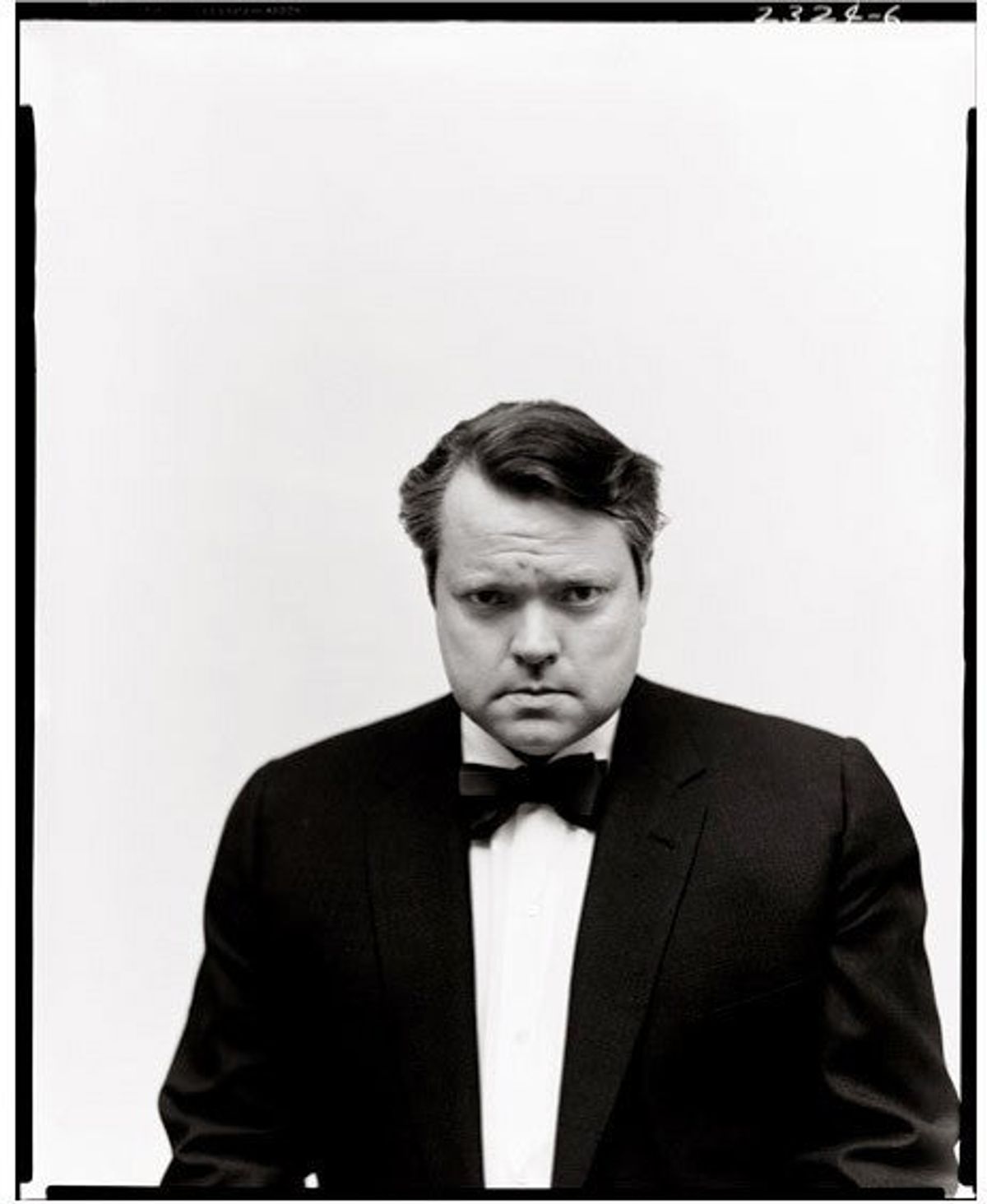
Head on over to the on a new book of interviews with Orson Welles:
From 1983 until just before his death, in 1985, at the age of seventy, Orson Welles met his friend, the director Henry Jaglom, for lunch nearly every week at the Hollywood restaurant Ma Maison. Welles was then in poor health and dire straits. He hadn’t completed a dramatic feature since “Chimes at Midnight,” in 1966. His essay-film “F for Fake,” an ironic self-portrait, from 1973, had failed commercially, and he was struggling—with the help of Jaglom, who was serving as a sort of agent—to find funding for films and, for that matter, to make a living. At Welles’s request, Jaglom recorded their conversations, the transcripts of which have now been edited by Peter Biskind in the new book “ My Lunches with Orson.” “His only proviso,” Biskind explains in his introduction, “was that the recorder be out of sight, concealed in Jaglom’s bag, so he didn’t have to look at it.” Welles was obviously uninhibited by the invisible device: the book is a trove of classic-era Hollywood gossip. If it were only that, it would be, at best, candy; instead, it’s a treasure, both as a portrait of the artist and as a copious record of his ideas—it is, in fact, a key source for understanding Welles, the director and the man.
First, it’s a shocking vision of the aging but still cunning lion in a very, very cold winter. The book is a kind of horror story: Welles’s lonely travails should quash any nostalgia for an ostensibly more cinema-friendly bygone age. The movies that he directed early on—even “Citizen Kane” alone—should have assured him the equivalent of a permanent artistic annuity. No one said a Hollywood career would be easy; but it should have been possible, and a new generation of young moguls who had made quick fortunes in the seventies and early eighties could have financed the projects of this aging master. Instead, Welles spends much of his last years flailing—seeking out actors whose involvement would have made his projects more sellable. He was especially hopeful that he could realize “The Dreamers,” an adaptation of stories by Isak Dinesen, which Welles had been shooting in bits and pieces over the course of several years, and “The Big Brass Ring,” a political thriller that, as Biskind explains, Jaglom saw as “the bookend to ‘Kane.’”
[Photography by Richard Avedon]
Is Any College Football Team Actually Good This Season?

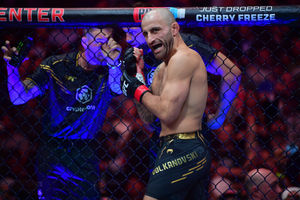
Five Fights the UFC Needs to Make After UFC 333
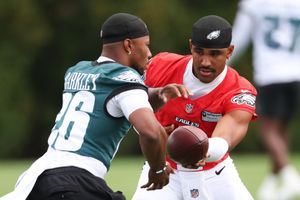
Cowboys vs. Eagles Prediction: NFL Week 7 Best Bet and Odds
Ole Miss' CFP Hopes Take a Hit After Loss to Texas
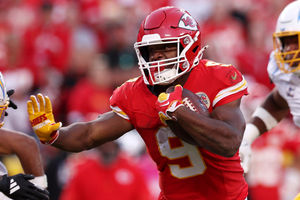
- Seahawks vs. Chiefs Betting Pick: SNF Best Bets
- WNBA Finals Game 4 Picks: Back Atlanta Dream, Angel Reese Rebounds
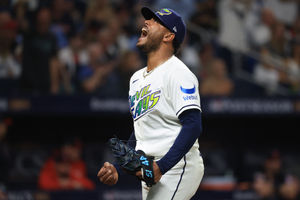
- Rays vs. Brewers Prediction: Why Tampa Bay Can Steal Game 2 on the Road
- UFC 333 Betting Lines Are Tightening Across a Wide-Open Fight Card
- UFC 333 Betting Splits: Where the Sharp Money Is Landing This Weekend
- NBA Best Bets Today: Pacers, Grizzlies and Trail Blazers Picks
- College Football Week 8 Best Betting Picks, Predictions