How A Bad NCAA Rule Could Make Football's Concussion Crisis Even Worse

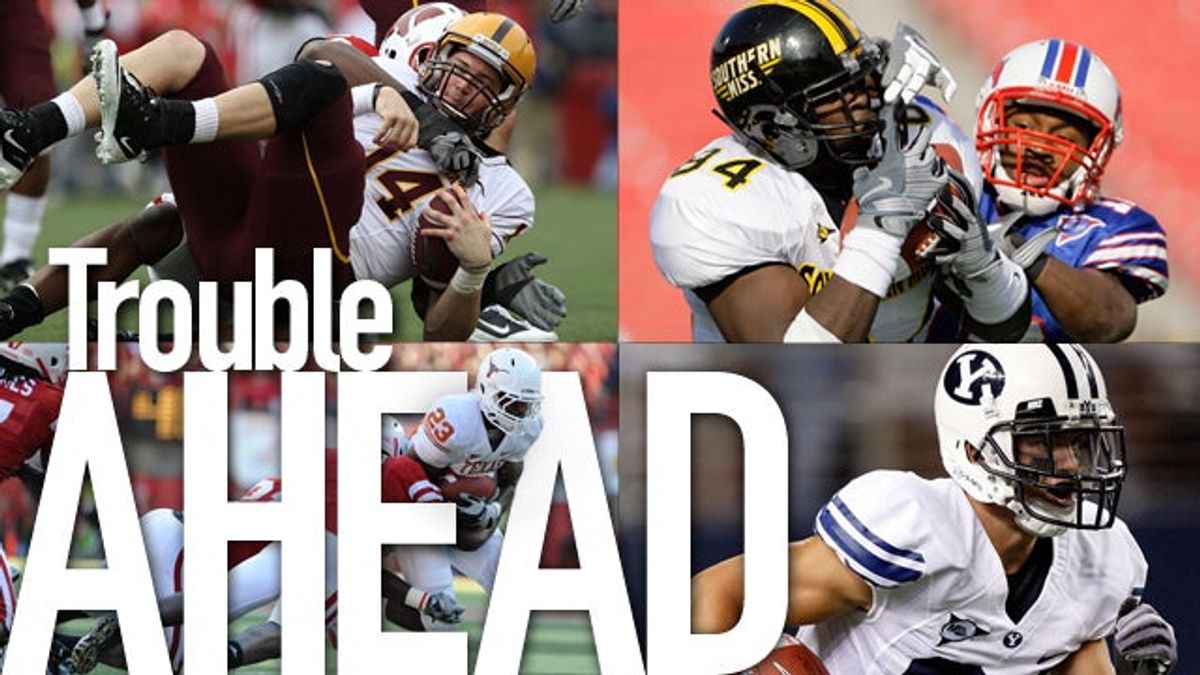
Sun Devils quarterback Steven Threet suffered two concussions last season, and he's officially had his brain knocked against his skull five times in four years of college football. Last week, the Michigan transfer announced that, to avoid any long-term damage to his mental health, he will forgo his final year of eligibility and quit football.
Mercifully, both for Threet and for ASU, the senior is on pace to graduate this spring, which saves the university from having to decide whether to renew his scholarship just so he can watch from the sidelines next season. But concussions can't be planned around graduations. And at some point soon, thanks in large part to the bad incentives created by the NCAA's one-year, renewable scholarship, an athletic department somewhere will have to choose between expediency and simple humanity, and an athlete somewhere else will have to choose between his scholarship and his health. READ »
FROM THE ARCHIVES
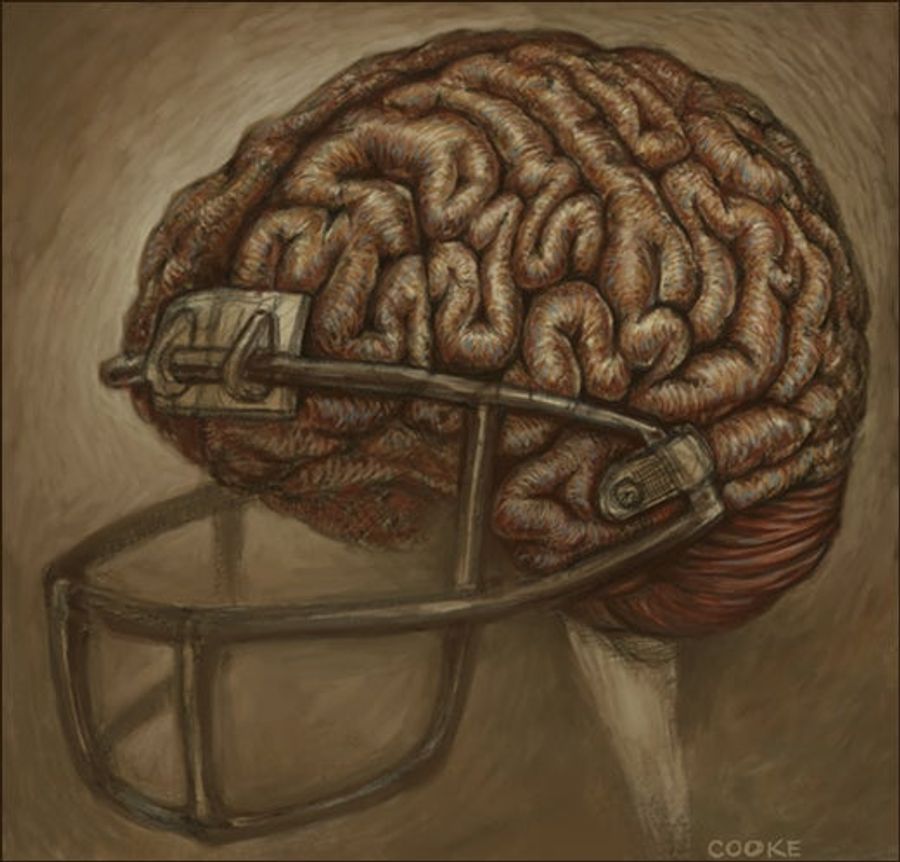
Messing With Our Heads: A Former Player's Lament
In the October 2009 essay, Michael Oriard, cultural historian and former Chiefs offensive lineman, considers the physical legacy of his time in football and the possibility that he — and his football-playing son — "might have tiny bombs planted in our brains with fuses of indeterminate length." READ » • ALSO: Why high school football is ground zero of the concussion crisis
Related

Britney’s HCL Saga Shows How Murky High Stakes Poker Is
5 Fights the UFC Should Make After Rosas Jr. vs. Barcelos
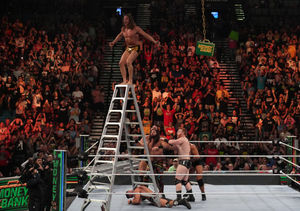
WWE Money in the Bank Cash-Ins: The Best and Worst Moments
- Eagles vs. Bears MNF Week 3 Betting Total Picks and Predictions
- Rams vs. Broncos Sunday Night Football Best Betting Pick
- MLB Best Bets: Three Picks for the Final Day of the Regular Season
- UFC Vegas 121 Underdogs: Why Alatengheili Is Worth a Look at +300
- UFC Vegas 121 Predictions: Best Bets for Saturday’s Fight Card
- UFC Vegas 121 Line Movement: Two Betting Favorites Have Completely Flipped
- Indiana vs. Northwestern Prediction: Best Bets To Start Week 4