Offer Sheet Drama Might Be My Favorite Part Of The NHL Calendar

There is nothing that gets hockey people riled up quite like offer sheets. Nothing. The mere rumor of their existence is enough to send fans clogging talk radio lines, and set GMs to vowing revenge and— quite literally—challenging each other to fights. Well, we’re two days away and I am fucking psyched.
A quick breakdown, because it’s not that easy to understand (and here’s a video explanation from General Fanager):
Restricted free agents can’t sign just anywhere. But as long as their current teams have tendered a qualifying offer, another team can swoop in and give them what’s called an offer sheet—the hard terms of a new contract that must contain a salary higher than their current deal.
The RFA’s current team then has seven days to match that offer. If they match, the player stays. If they choose not to match, the player signs with the team giving the offer sheet, and that team must give draft-pick compensation to the player’s original team.
For a number of reasons, offer sheets are rare—there have been just eight over the last decade, and in seven of those cases, the player’s original team matched it. (The lone exception was Dustin Penner, who Anaheim lost to Edmonton, leading Brian Burke to challenge Kevin Lowe to a barn fight.)
The loss of draft picks is a big deal, so few teams tender offer sheets in the first place. And when they do, the offer is often not so exorbitant that the original team won’t be able to match. This is, sinisterly, the idea behind some of those offer sheets. Teams don’t necessarily intend to have to honor the proposed terms, but they do like the idea of forcing another team to honor them. That’s why GMs hate it:
It’s a semi-unwritten rule of NHL front offices that you don’t utilize offer sheets, which is bullshit—it’s in the CBA!—and reeks of collusion. But GMs that do give offer sheets risk alienating their peers, making it harder to swing trades going forward. That’s not fair, but it’s a real risk.
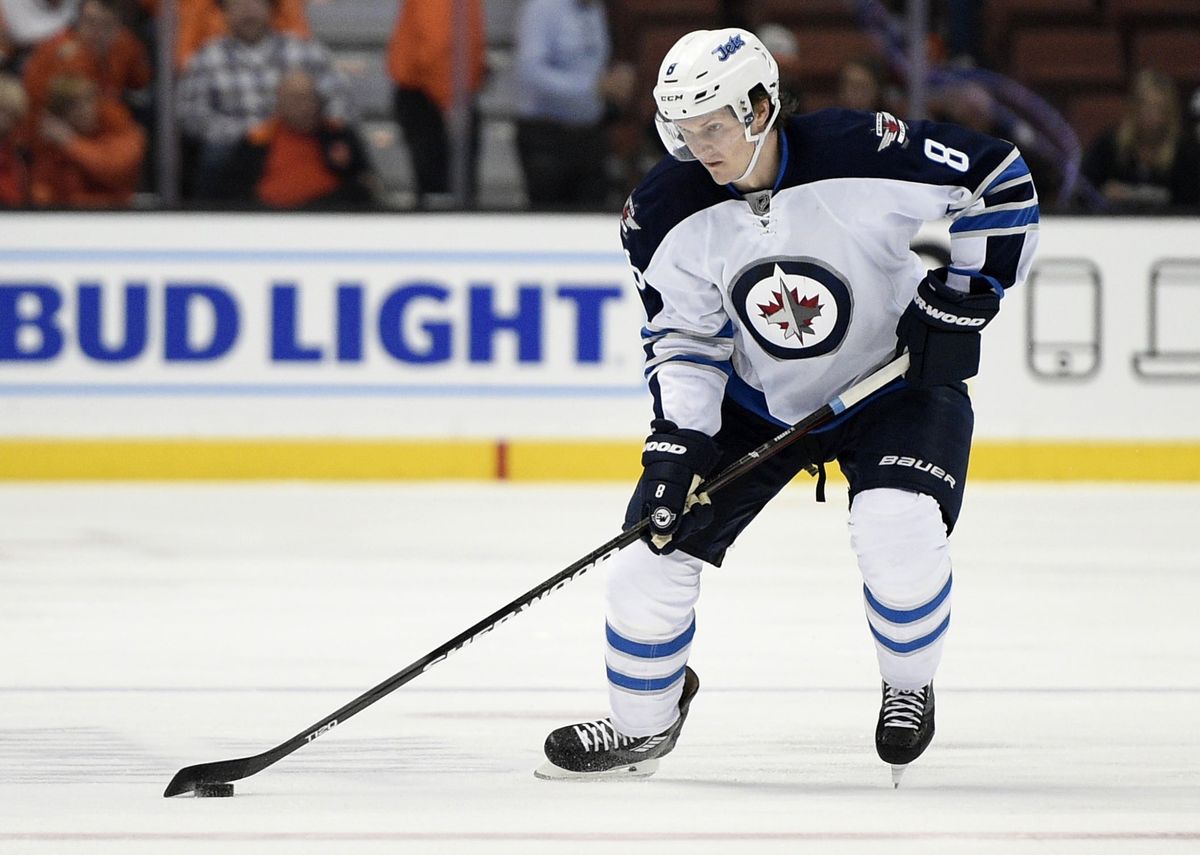
Every year there are rumors of offer sheets in the making, and this year’s version has the Bruins offer-sheeting Jets defenseman Jacob Trouba. Now, there are reasons to doubt this particular rumor mill, but the single biggest strike against Boston actually doing this is what it would cost them. Because they don’t own a couple of their own draft picks next year, any offer sheet for Trouba would require paying him an AAV of at least $9.4 million (for these purposes, the contract’s total salary divided by five) and sending the Jets their next four first-round picks. That’s insanity.
( Here’s a chart showing what offer sheets every team in the league are eligible to make.)
But offer sheets have layers. Sometimes, even the threat of one can spur a team to deal a player rather than risk losing him or having to match an offer. The Bruins traded Dougie Hamilton last summer because they were convinced they were going to lose him to an offer sheet. The Blackhawks did the same with Brandon Saad.
Free agency begins July 1 at noon EDT. Whether or not anyone actually gets an offer sheet, their effects may manifest any minute—and the hard feelings will last a lifetime. God, I love this stuff.


Britney’s HCL Saga Shows How Murky High Stakes Poker Is

5 Fights the UFC Should Make After Rosas Jr. vs. Barcelos



WWE Money in the Bank Cash-Ins: The Best and Worst Moments
- Eagles vs. Bears MNF Week 3 Betting Total Picks and Predictions
- Rams vs. Broncos Sunday Night Football Best Betting Pick
- MLB Best Bets: Three Picks for the Final Day of the Regular Season
- UFC Vegas 121 Underdogs: Why Alatengheili Is Worth a Look at +300
- UFC Vegas 121 Predictions: Best Bets for Saturday’s Fight Card
- UFC Vegas 121 Line Movement: Two Betting Favorites Have Completely Flipped
- Indiana vs. Northwestern Prediction: Best Bets To Start Week 4