The MLB Draft has been mistreating seniors for far too long

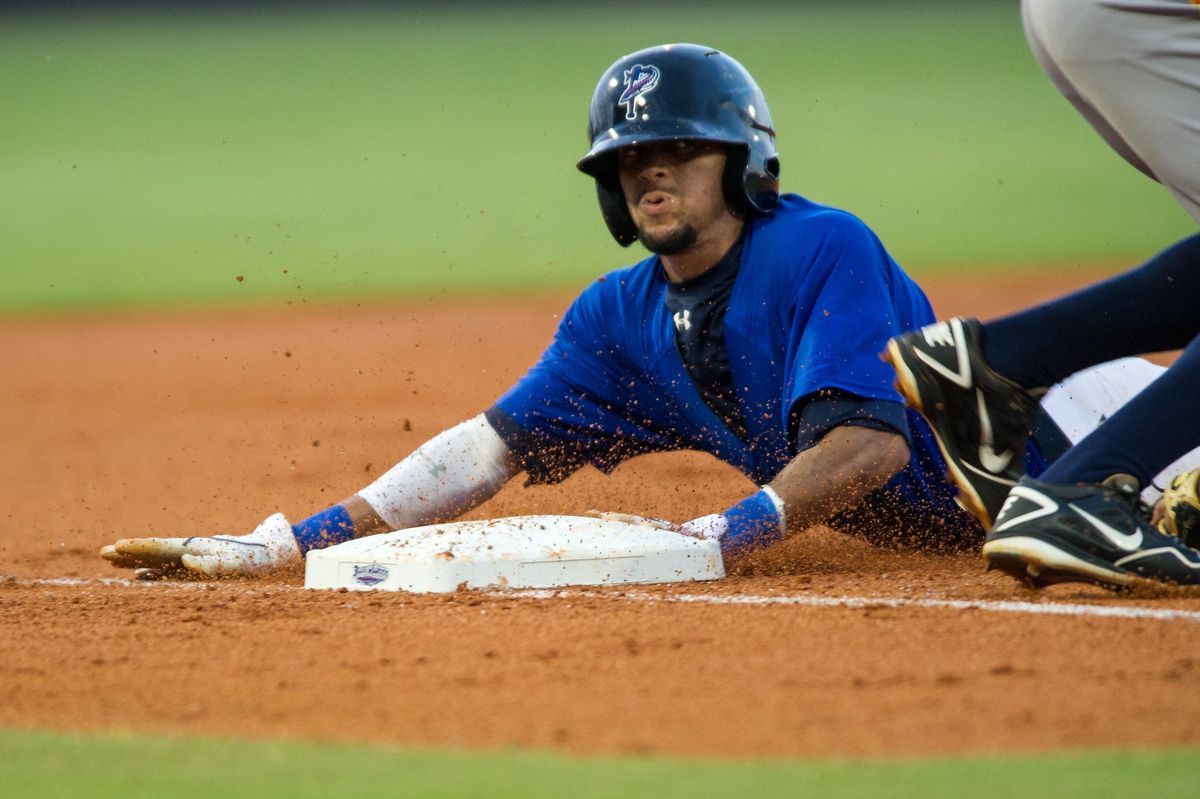 Pay minor league players enough to live. source: Getty Images
 Picture this:
You’re in your final year of athletic eligibility in college. You had a fantastic final season and were getting looked at pretty frequently by MLB scouts. You look up some reports online that pick you out as a potential late-round draft selection. You start to get excited. The opportunity to chase your childhood dreams is knocking at your door. You hear your name called in the ninth round. Not the best spot to be taken, but you’ll gladly take it because it means you get to continue your baseball career. Then, you get to your contract negotiations. You know the road ahead is long and difficult. The minor leagues aren’t known for giving their players the best salaries, so the signing bonus is how you’ll have to make ends meet for the foreseeable future. But then the team that drafted you says they’ll only give you $3,000 as a signing bonus.
“This is outrageous!” you think. “Why would anyone sign something like that? I won’t be able to live on this for three months let alone three years. I’m not going to accept this.” But then it hits you. You love playing the game of baseball. You always have. You want to continue your career, but if you reject your team’s offer...where will you go? You just finished your last year in college. You won’t join an independent league, right? Those don’t make enough money to support you. You realize that you don’t have any leverage in this situation, so you reluctantly take the deal and brace yourself for a very difficult road ahead financially.
This happens more often than you’d think. Of the 15 college baseball players in their final year of eligibility selected in the first 10 rounds of the most recent MLB draft who have signed, 14 of them have signed below their slot value. 12 of them have signed for deals worth at least $100K less than their slot value. The most egregious signing might be Chicago Cubs’ sixth-round pick LHP Riley Martin out of Quincy University, who signed for just $1,000 despite previous 184th selections being worth approximately $263.7K.
You might be wondering how something like this could happen. How can MLB teams consistently get away with signing their players for far less than their slot value? For one, when one side holds all the cards, there isn’t much the other side can do. Second, a lot of this has to do with the current CBA agreement in Major League Baseball. If you take a look at every draft pick in their final year of college eligibility from the past 10 MLB drafts, you’ll notice this same pattern. It’s no coincidence that the collective bargaining agreement (CBA) from 2011, which included a controversial bonus slotting system (revised slightly from 2011, but kept mostly the same in the 2016 CBA), was the catalyst for these massive shifts in senior signing bonuses.
If you’re unfamiliar with the bonus pool rules, basically, teams are given incentive to sign their draft picks for as little as possible. The bonus pool rules allow teams to distribute unpaid slot value from each of their picks in the first 10 rounds to any and all other draft picks (including undrafted free agents). Essentially, signing a ninth-round senior for far below slot value allows those teams to spend the money they saved with that senior on undrafted free agents, or perhaps their early-round selections are playing “hard-to-sign” and want more money than the team has. By signing that senior in desperate need of a contract for so little, the team can now afford to give their first-round selection more money.
“So why don’t those seniors just refuse the contract and sign with another team?”
Would you really be willing to risk your career in the hopes of getting more money? By refusing the contract, you would not only signal to the rest of the league that you’re difficult in negotiations, but you would also be putting yourself at risk of losing your baseball career altogether. What if nobody else picks you up? Now you’re hung out to dry. Like I said, when you’ve got no leverage, you have to make some pretty unfavorable agreements.
The current CBA expires after the 2021 season, and unfortunately, it’s unlikely any changes will be made to the bonus pool system. The minor leagues are notorious for providing players with low salaries and poor living conditions. Earlier this year, it was revealed that athletes in the Angels minor league system were having to endure some pretty terrible conditions.
One of the former minor leaguers who gave quotes on the horrid conditions he faced, Shane Kelso, was forced into retirement earlier this season because of the poor living conditions coupled with the financial burden that playing in the minor leagues put on him.
These college seniors deserve better than what they’re signing for. Because of the no-win situation they face choosing between low pay and baseball or a decent wage and the sport they love, MLB teams are taking advantage and using that situation to spend money elsewhere. If these athletes were drafted a year prior, they’d be offered much larger signing bonuses. However, because they spent one more year developing in college, all of a sudden they’re worth $100K less? That’s not right.
Related
Three Longshot NFL Futures Worth Betting in Week 5


Georgia Football Could Return to No. 1 After Beating Alabama


Marvin Harrison Jr. Trade Mystery Makes Very Little Sense

White Sox vs. Guardians ALDS Game 5 Betting Pick


- UFC Vegas 122 Betting Odds: The Biggest Line Moves Before Allen vs. Duncan
- UFC Vegas 122 Picks and Predictions: Three Bets for Allen vs. Duncan
- College Football Week 6 Bets: Three Picks for Saturday’s Biggest Games
- UFC Fight Night Underdog Pick: Why Kai Kamaka III Is Worth a Bet
- WNBA Playoff Picks: Best Bets for Liberty-Dream and Aces-Valkyries
- Friday College Football Best Bets: Iowa-Washington and BYU-Iowa State
- UFC Vegas 122 Betting Splits: Where the Sharp Money Is Landing This Weekend