Don Ohlmeyer Addresses Roethlisberger Story, Learns What "Ombudsman" Means

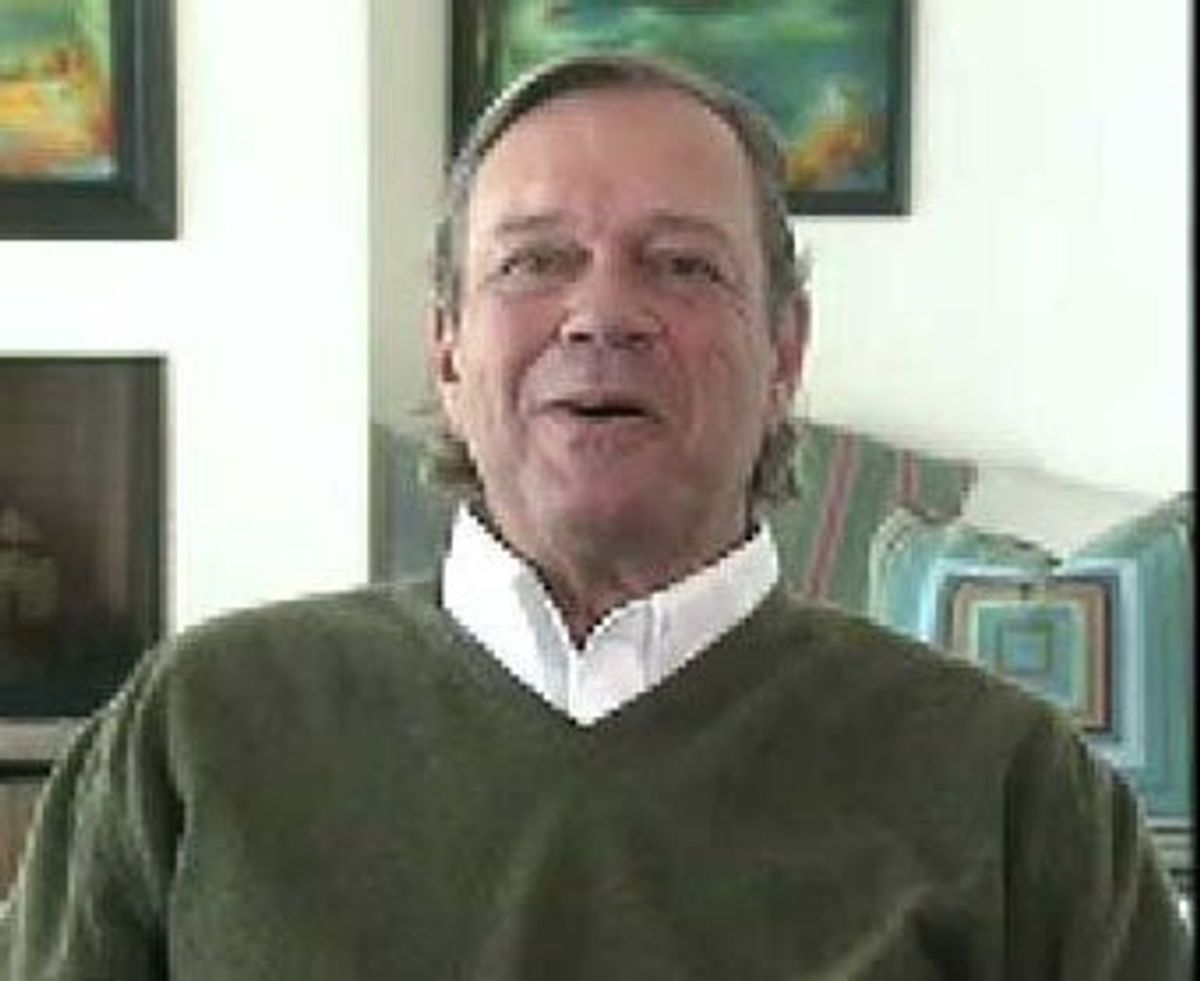
Former NBC executive Don Ohlmeyer actually opened his first ESPN ombudsman column by reciting the definition of "ombudsman" from the dictionary. And also like a bad graduation speech, he takes way too long to get to the point.
The subject of his first missive as the Worldwide Leader's Watchdog was ostensibly ("1: in an ostensible manner") about ESPN's foot dragging on the Ben Roethlisberger sexual assault story. And he got there eventually. But first a 1,600-word discourse on the nature of service journalism and why people love to complain.
At this point, you have no need to worry about Ohlmeyer's independence from the ESPN corporate structure since it's obvious that no editor touched this thing. (Although it was published at 5:30 p.m. on a Tuesday night, just before the Brett Favre news conference. Not exactly primetime placement.) He may soon be giving Simmons a run for the ink barrel money. Ohlmeyer then takes another 1,800 words or so to explain what the hell happened, why people are upset—including reprinting several of the actual complaints—and giving one of the suits a chance to explain themselves. The answers aren't any more convincing than they were before.
(The crux of their argument for not reporting the story continues to be that Roethlisberger had not publicly addressed it himself, but most people found out about the case because of his own lawyer. From a news perspective, I don't see much difference.)
Finally, Ohlmeyer gets to the reason he's here—delivering his own experienced, unbiased judgment as to what ESPN probably should have done. (Yes, it's Monday Morning Quarterbacking, but that's the job.) I'll just reprint the meat of his response since he pretty much nailed it:
Even if ESPN judged that it should not report the Roethlisberger suit, not acknowledging a sports story that's blanketing the airways requires an explanation to your viewers, listeners and readers. And in today's world they are owed that explanation right away — to do otherwise is just plain irresponsible. It forces your audience to ask why the story was omitted. It forces them to manufacture a motive. And it ultimately forces them to question your credibility.
It appears that in an attempt to tamp down media criticism, ESPN issued a statement to inquiring news organizations that had questioned its lack of acknowledgment of this story. That doesn't cut it. In a situation like this you need to be proactive, not reactive. If ESPN felt it needed to explain its rationale to the New York Times or the Washington Post, then there is no excuse for not giving the same explanation DIRECTLY to its audience. [Emphasis added]
Bingo. ESPN should have anticipated that their viewers would expect a reaction, and even if they didn't anticipate it, they still sat on the story long past the point when it was proper to do so, and after they were forced to make ridiculous statements explaining their non-statements. Ohlmeyer took a long, circuitous route to get there, but he agrees with me so he is a genius.
Don Ohlmeyer: New ombudsman analyzes ESPN's handling of the Ben Roethlisberger story [ESPN]

Los Angeles Chargers Shouldn’t Resist Justin Herbert Trade

5 Fights to Make After UFC Vegas 112
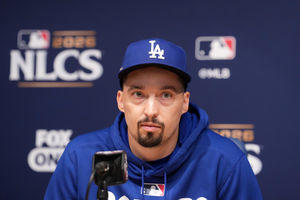
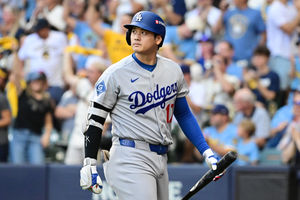
Brewers vs. Dodgers Game 3 Predictions, Picks and Odds
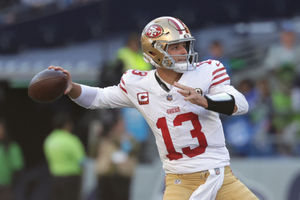
The 5-0 49ers Are Finally Getting the Respect They Deserve
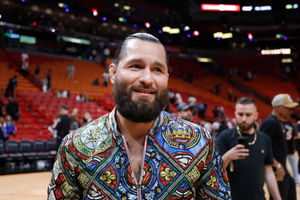
Jorge Masvidal Makes $100K Pick to Beat Islam Makhachev
Dana White's Contender Series Week 10 Predictions and Picks
- Bills vs. Rams Odds, Prediction and Best Bet for MNF
- Three Longshot NFL Futures Worth Betting in Week 5
- Falcons vs. Ravens Odds, Prediction and Best Bet for Sunday Night Football
- White Sox vs. Guardians ALDS Game 5 Betting Pick
- UFC Vegas 122 Betting Odds: The Biggest Line Moves Before Allen vs. Duncan
- UFC Vegas 122 Picks and Predictions: Three Bets for Allen vs. Duncan
- College Football Week 6 Bets: Three Picks for Saturday’s Biggest Games