How Will A Meniscus Tear Affect Russell Westbrook?

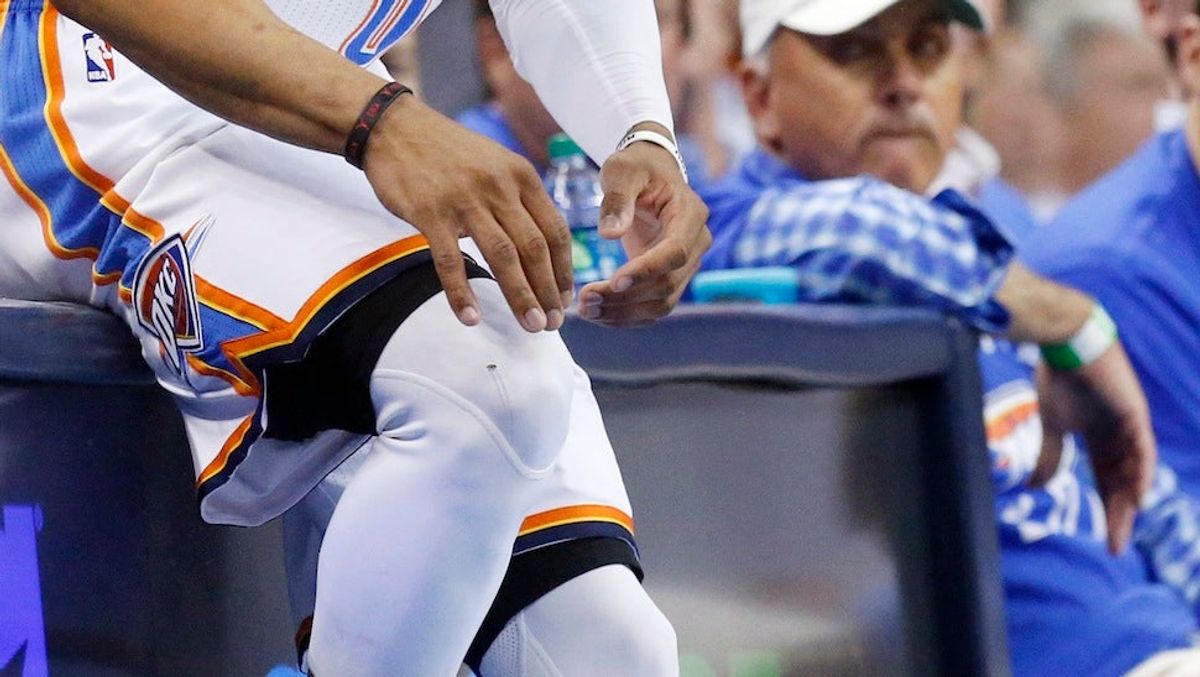
We learned today that Oklahoma City's Russell Westbrook will undergo surgery for a torn lateral meniscus in his right knee. This is great news for Western Conference hopefuls and bad news for anyone who loves basketball: We still don't know how long he'll be out, and the NBA playoffs without Westbrook suiting up for the Thunder are simply a less exciting version of the NBA playoffs.
The typical recovery time for an NBA player with a lateral meniscus tear is four to six weeks, though some take as much as several months. It's not an especially career-threatening injury, but it could easily sideline Westbrook until, at the earliest, deep into the playoffs. It sucks, but it happened. In fact, Westbrook might even be lucky here, since isolated meniscal tears are rare: It's more common to tear both the meniscus and ACL at the same time, like Iman Shumpert did last year.
But Metta World Peace's experience provides the perfect optimistic counter: the Lakers forward returned just 12 days after his meniscus surgery earlier this month. (Count Skip Bayless as another guy with a relatively easy meniscus recovery.) What if, you're tempted to wonder, Russ did that too? He's just as physically indomitable as World Peace, right? Well, yes, but no.
Human knees have two menisci, a medial and a lateral, one on either side of the knee. Injuries to the lateral (outside) meniscus are less common, and generally more serious ( one study estimated they occur about one-third as often as a medial tear). The meniscus cartilage handles shock absorption, load distribution, and joint stabilization. The takeaway here is that it doesn't just handle abrupt stops, cuts, and landings, but also stops your knee from feeling wobbly, or plain giving out or locking up. These are not symptoms a player like Westbrook could easily weather.
World Peace's game lends itself to those limitations far better than Westbrook's. He's a competent post player, and doesn't rely on misdirection at speed when he drives. He also spends time as a spot-up outside shooter.
Westbrook doesn't really do any of that. Those subtle shifts of direction while pistoning full speed into the lane on a fast break? That relies heavily on a stable, effective knee. Same goes for that hesitation stutter move and charge into the lane. Westbrook does tend to play on the left side of the floor more than the right, meaning he could conceivably drive right relatively effectively, that's still far from ideal.
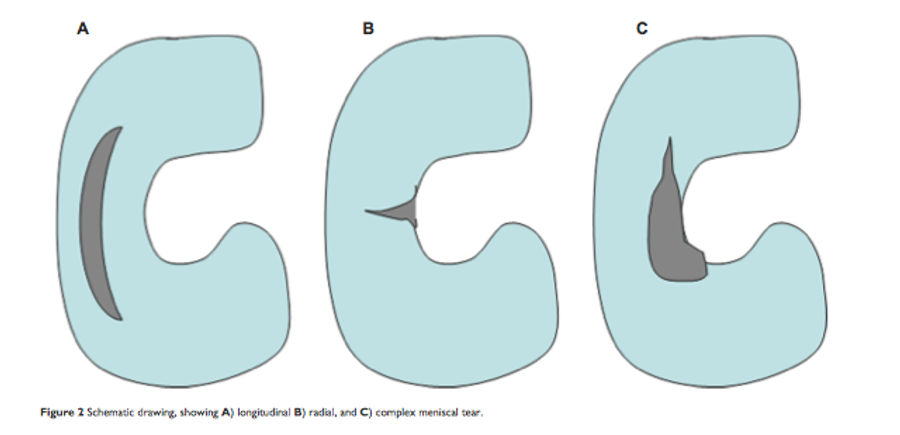
As with any injury, both the type and severity of the tear matter greatly. Adrian Wojnarowski reports that the Thunder doctors think the tear could be as small as two percent through, which would be encouraging. And we don't know what type of tear he has, either. Tears in different directions, or in different areas, can have drastically different effects on an athlete. Even a tiny radial tear (on the inside of the U-shaped meniscus) could have a drastic impact, while a larger horizontal tear elsewhere might be easily repaired with a quick recovery.
But that's getting away from the real point. It looks like Westbrook might try to come back in just a " few weeks." And biomechanically, he'll simply be affected by any remaining effects of the injury in ways that are specifically detrimental to his game.
Photo: AP.
Related
Why the Milwaukee Brewers Are Built to Win the World Series


The Most Shocking WWE Moments Fans Never Saw Coming

- Cowboys vs. Packers Prediction: Best Bet for Sunday Night Football
- UFC Edmonton Best Bets, Predictions and Fight Picks
- Rays vs. Guardians Game 4 Best Player Props Betting Picks
- College Football Week 8 Best Bets: Ohio State, Alabama and More
- Joaquin Buckley Plummets From -300 Favorite to Underdog at UFC Edmonton
- WNBA Finals Picks: Dream, Valkyries and Gabby Williams Best Bets
- UFC Vegas 122: 5 Underdogs Drawing Sharp Money This Weekend