Is The Uptick In Blisters Another Sign Of A Juiced Ball?

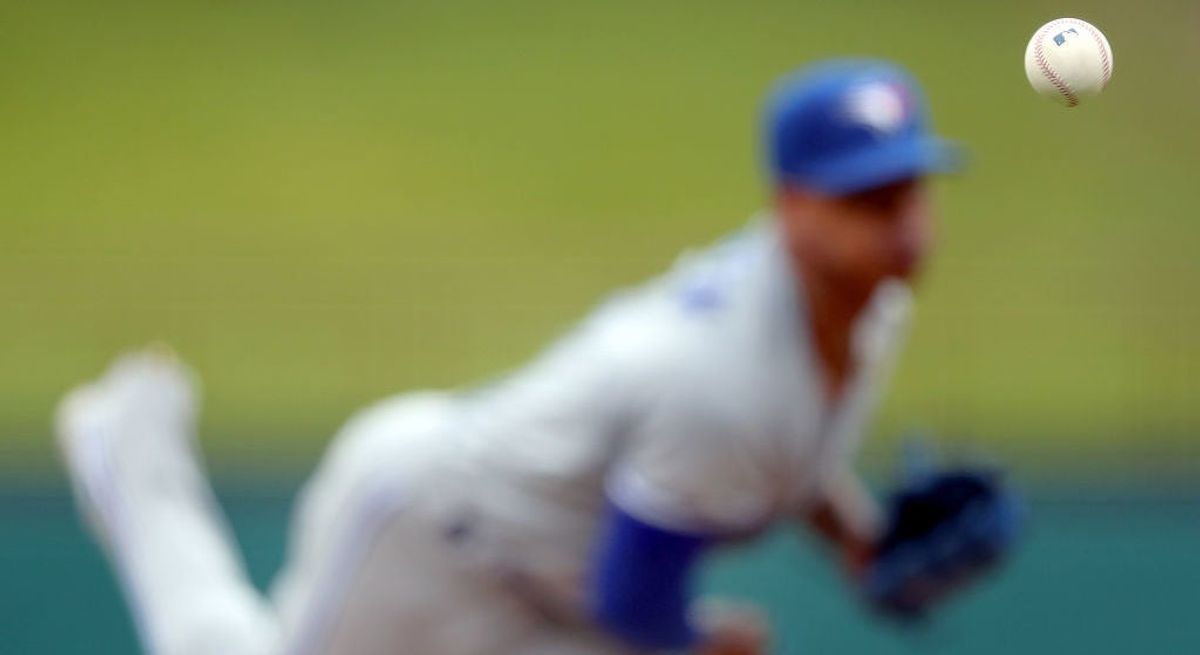
Blue Jays pitcher Marcus Stroman caused a bit of a kerfuffle this month when he talked about why so many pitchers are getting blisters this season. A few weeks ago, after being pulled from a game because of an oncoming blister, Stroman told reporters:
I feel like it’s an epidemic that’s happening across the big leagues now, a bunch of pitchers getting blisters, guys who have never had blisters before. So for MLB to turn their back to it, I think that’s kind of crazy. I have no theory. But obviously, I mean, it’s not a coincidence that it’s happening to so many guys all of a sudden. It’s not a coincidence.
Stroman was speaking anecdotally, but his thinking was enough to send baseball’s smartest writers in search of a correlation. Using what’s publicly available—that is, news reports of pitchers dealing with blister issues—Ben Lindbergh at the Ringer came up with this simple chart:
![via the [object Object]](https://images.deadspin.com/tr:w-900/hjiezt2xjfw6ahkvmj5m.png) via the [object Object]
via the [object Object] But because a few players have dealt with persistent blister issues—Rich Hill, hello—Lindbergh broke the numbers down by individual player issues, too:
![via the [object Object]](https://images.deadspin.com/tr:w-900/wg8ijvxny2ocpir9kqjn.png) via the [object Object]
via the [object Object] So, yes, there does seem to be a recent increase in blisters, and at a rate that coincides with the unprecedented increase in home runs. If you think the home run rate has increased because of juiced balls, then it’s not a stretch to argue that those same balls are causing all the blisters.
The suspected change in the physical baseballs—which MLB denies heartily, to the extent that Commissioner Rob Manfred even tried to say the bats are juiced—is that the seams are different. Maybe they’re raised, maybe they’re lowered, but a change either way changes the physics of the ball, and would definitely alter the way the ball interacts with a pitcher’s hand.
Over at FanGraphs, Eno Sarris provided possible alternate explanations. He notes that disabled list stints are up, which could indicate more injuries overall, or a significant change in how the DL is used with the new 10-day DL. Also, curveball usage is up, which requires a stronger grip and creates more friction naturally—but then again, if the seams have changed, guys probably have to grip the ball harder anyway.
However, Sarris also referenced FiveThirtyEight’s research on lowered air drag on the ball (which, they say, would be due to lowered seams), and contrasted it with blister rates, which could be interpreted as support for Stroman’s theory. And around and around we go.
The reality is that no one knows exactly what’s up, but given both the rising home run rate and the increase in blisters, it’s clear that something with the ball has changed.
Related
Three Longshot NFL Futures Worth Betting in Week 5

Georgia Football Could Return to No. 1 After Beating Alabama


Marvin Harrison Jr. Trade Mystery Makes Very Little Sense
White Sox vs. Guardians ALDS Game 5 Betting Pick


- UFC Vegas 122 Betting Odds: The Biggest Line Moves Before Allen vs. Duncan
- UFC Vegas 122 Picks and Predictions: Three Bets for Allen vs. Duncan
- College Football Week 6 Bets: Three Picks for Saturday’s Biggest Games
- UFC Fight Night Underdog Pick: Why Kai Kamaka III Is Worth a Bet
- WNBA Playoff Picks: Best Bets for Liberty-Dream and Aces-Valkyries
- Friday College Football Best Bets: Iowa-Washington and BYU-Iowa State
- UFC Vegas 122 Betting Splits: Where the Sharp Money Is Landing This Weekend